
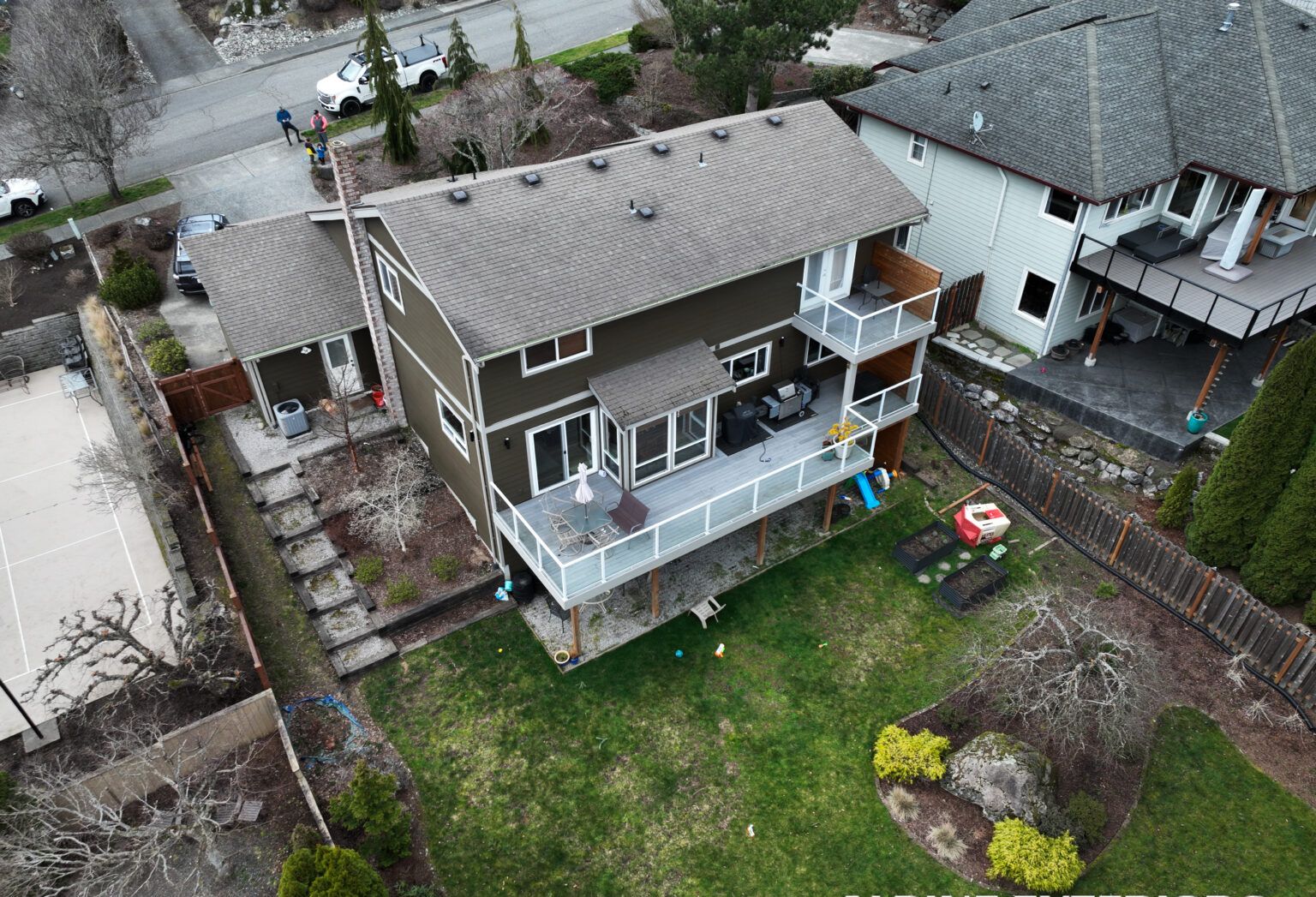
In most cases, no — replacing siding on a one- or two-family home in Whatcom County, Bellingham, Ferndale, Lynden, or Blaine does not require a separate building permit as long as you're swapping old siding for new without touching the structure underneath. The moment the job involves removing sheathing, changing window or door openings, or adding a continuous layer of exterior insulation to meet current energy code, that "no permit needed" answer usually flips. Every jurisdiction in Whatcom County interprets the Washington State Building Code slightly differently, so the honest answer is: probably not, but confirm it with the local building department before a crew shows up, not after.
Most cities, including Bellingham and Ferndale, treat "like-for-like" siding replacement as exempt work — you're not changing the building's structure, footprint, or systems, so it falls outside permit requirements the same way repainting does. What changes that classification is what your contractor finds once the old siding comes off. If the sheathing underneath is soft, delaminated, or rotted and needs to be replaced rather than patched, that's structural repair, and structural repair on an exterior wall typically does require a permit and inspection. The same is true if flashing details around windows and doors are being reworked, if the siding installation adds rigid foam or another continuous insulation layer to bring an older wall up to current Washington State Energy Code performance, or if the scope creeps into re-framing a wall section. Whatcom County's own building division and the cities within it each publish their own permit-exempt work lists, and they're not identical — a job that's exempt in unincorporated Whatcom County near Birch Bay isn't automatically exempt inside Bellingham city limits or Lynden. That inconsistency is the single biggest reason homeowners get surprised mid-project.
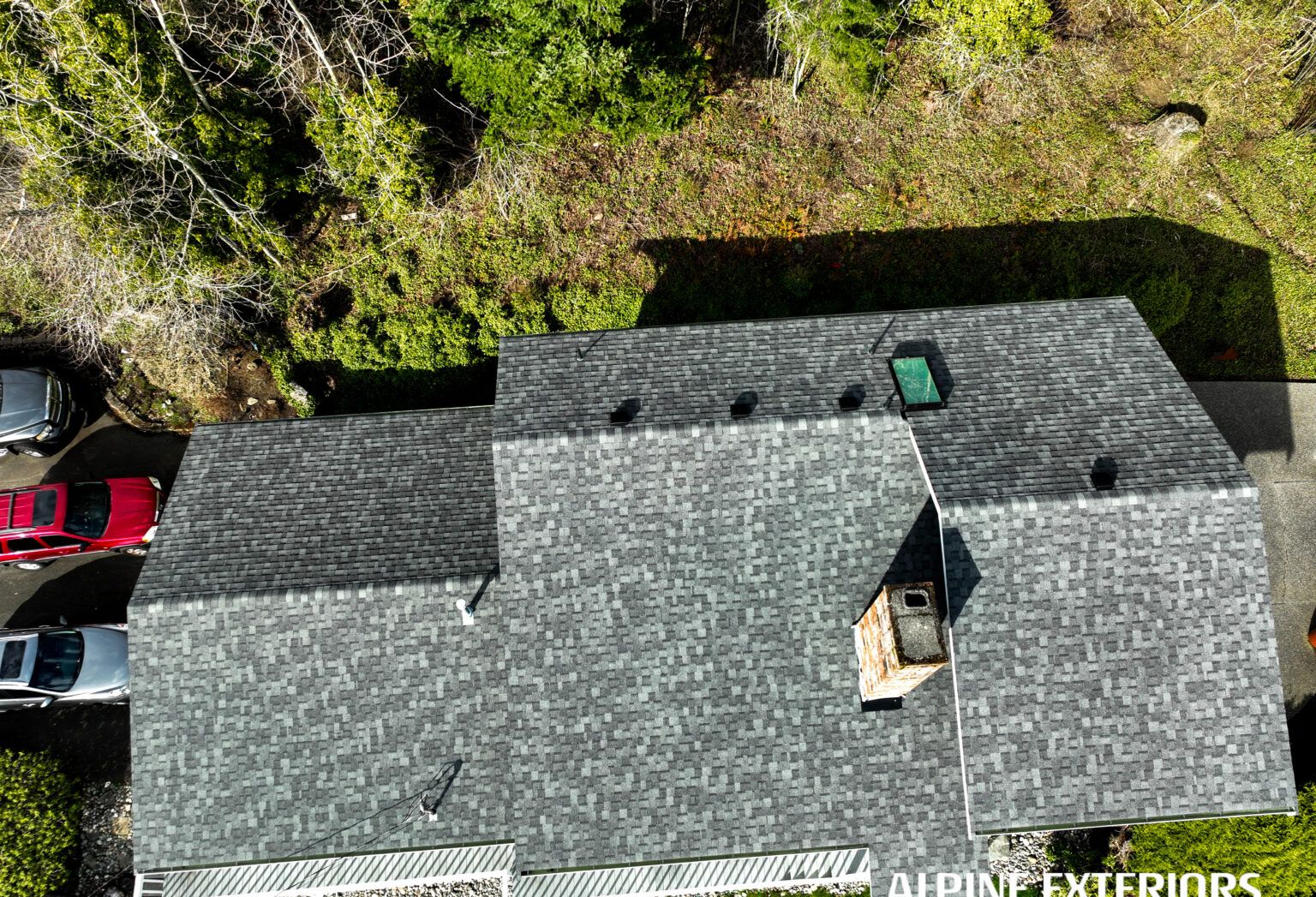
Permits aside, the bigger issue in this part of Washington is what you find once the old siding is off, and that's driven almost entirely by the climate. Whatcom County gets long stretches of persistent rain rather than isolated storms, and that steady moisture load is what drives moss and algae growth on north-facing walls and what slowly works its way behind older lap siding and cedar shakes. Once water gets past the siding, it doesn't dry out quickly here — the marine air keeps humidity high for months at a stretch — so wood rot in sheathing and framing is common on homes that are 20, 30, or more years old, especially where gutters have been undersized or flashing was never properly lapped. Areas closer to the water — Blaine, Birch Bay, and parts of Ferndale along the bay — also deal with wind-driven rain coming off Georgia Strait and Bellingham Bay, which pushes moisture sideways into wall assemblies in a way that inland Lynden homes see less of. That's part of why proper rainscreen gaps and drainage planes behind new siding matter more here than in drier climates; siding installed flush against sheathing with no ventilation gap traps whatever moisture does get through. On top of the moisture concerns, Washington's state energy code has gotten stricter about continuous insulation and air sealing at the wall assembly, which is why a straightforward re-side sometimes turns into an energy-code compliance project the homeowner didn't originally plan for — and that shift is often what pulls a permit-exempt job into permit-required territory.
Before signing a siding contract, call the building department for your specific jurisdiction — the City of Bellingham, City of Ferndale, City of Lynden, City of Blaine, or Whatcom County if you're outside city limits — and describe the scope in plain terms. A few steps make this easier to get right:
A contractor who won't commit to an answer on sheathing condition up front is worth being cautious about, because sheathing repair discovered mid-job is one of the most common sources of cost overruns and disputes in siding work. A company that's done enough of these jobs across Whatcom County, like Alpine Exteriors, should be able to tell you roughly how often homes of a given age and siding type in your neighborhood turn up rot, and should be willing to open a small test section before the full tear-off starts so there aren't blind surprises. That kind of upfront inspection costs a little time but avoids the worse outcome of a mid-project change order with no clear permit status.
If a permit is required, it's normal for the contractor to pull it as part of the job, since they're the one performing the licensed work and scheduling inspections. Make sure that's spelled out in the contract rather than assumed — and confirm the permit fee, if any, is included in the quoted price rather than added later.
If a permit was required and skipped, the jurisdiction can require the work to be opened back up for inspection, which means removing finished siding to verify what's behind it. That's disruptive and expensive to fix after the fact, and it can also complicate a home sale if it surfaces during a buyer's inspection or title search.
Patching a damaged section of existing siding without touching sheathing or structural framing is almost always exempt, the same as a full like-for-like re-side. The distinction that matters is whether the repair opens up the wall assembly to anything beyond the siding itself.
Not always, but it's the detail most likely to push an otherwise-exempt job into permit territory, since continuous exterior insulation is now part of how Washington's energy code is met on many wall assemblies. It's worth asking your contractor specifically whether their proposed assembly meets current code as an exempt improvement or as a permitted one.
Permit questions are easy to get wrong from a driveway estimate, and the cost of guessing wrong shows up later — either as a stalled project waiting on a building department, or as sheathing repair nobody budgeted for. Alpine Exteriors serves homeowners across Bellingham, Ferndale, Lynden, Blaine, and Birch Bay, and can walk your specific wall assembly, siding type, and jurisdiction before any tear-off begins, so you know what you're actually signing up for. If you're weighing a siding replacement and want a straight answer on permits and wall condition before you commit, reach out to Alpine Exteriors for an on-site look.