
If the rot is confined to a small area — a few boards near a downspout, a gable end where wind-driven rain off Bellingham Bay has worked behind the trim, or a section shaded by cedar and fir that never fully dries — a targeted repair is usually the right call. If rot shows up in several places, if the sheathing feels soft or spongy when you press on it, or if the siding is original wood lap from a home built decades ago in Fairhaven, Ferndale, or the older parts of Lynden, replacement is the more honest long-term answer. Isolated damage favors repair; widespread or recurring damage favors replacement.
A repair means cutting out the damaged boards, checking the sheathing and framing underneath for soft spots, treating or replacing anything compromised, and installing new material that matches the existing profile as closely as possible. On a house with cedar lap or older hardboard siding, this is usually the sensible move when rot is limited to one or two walls — commonly the north side, where moss and algae hold moisture against the wall longer, or areas below roof valleys that funnel extra runoff during the wet months.
The upside is less material, less labor, less disruption, and a lower bill. The honest downside is that a repair only addresses what's visible. If the original siding was installed without proper flashing or a drainage gap — common in homes built before that detailing was standard practice here — moisture may already be working on sections that haven't shown rot yet. A careful contractor should pull back enough surrounding material to confirm the extent of the damage rather than just patching the obvious spot. Alpine Exteriors treats that inspection step as non-negotiable, because a repair done without it can mean paying for the same repair again in a few years.
Repairs also carry a cosmetic tradeoff. New boards, even primed and painted to match, often read slightly different from siding that's weathered for years under Whatcom County's rain and grey light. On a highly visible elevation, that can bother some owners more than others.
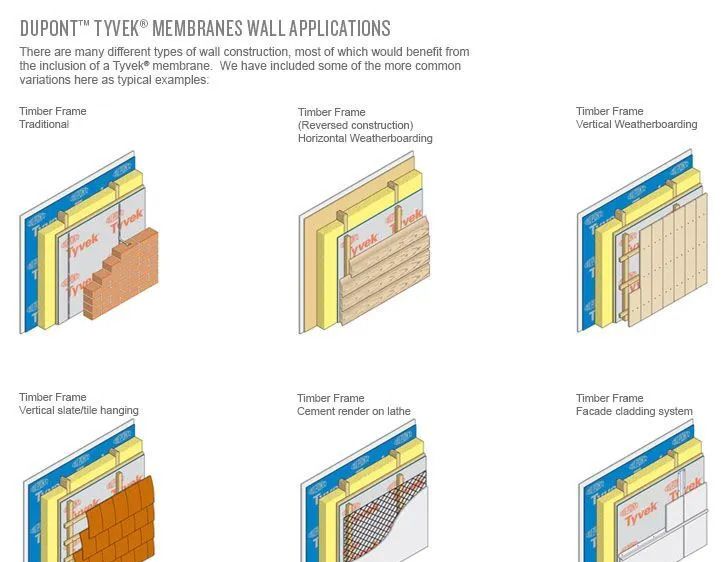
Replacement means removing the siding down to the sheathing across a wall or the whole house, addressing any rot or moisture damage found underneath, and installing new material — fiber cement, engineered wood, or vinyl, depending on the home and budget. This is the right call when rot has spread to several walls, when the underlying weather-resistive barrier and flashing are outdated or missing, or when the siding is old enough that patch repairs have become a repeating expense.
Full replacement also gives you a chance to fix problems the original installation never solved — adding a proper rainscreen gap, correcting flashing at windows and doors, and meeting current Washington State Energy Code requirements for wall assemblies, which can come into play once siding is stripped back to the framing. That code compliance isn't optional once you're at bare sheathing, so it's worth budgeting for continuous insulation or other assembly upgrades if your project reaches that point.
The tradeoff is cost and disruption. Replacement is a bigger job, takes longer, and leaves the house more exposed to the elements mid-project — a real consideration during Whatcom County's long rainy stretch from fall through spring, when work can get weather-delayed. It's also more siding than most homes with isolated rot actually need.
Our climate decides this more than personal preference. Whatcom County gets sustained rain for months at a stretch, not short storms, and that's what drives rot here, not wind events. Homes closer to the water in Blaine, Birch Bay, and the Bellingham waterfront also deal with wind-driven rain that pushes moisture into joints and behind trim that inland homes rarely see, so those elevations deserve extra scrutiny during any inspection. Add moss and algae growth on shaded or north-facing walls, close to universal on older homes here, and you have conditions that reward catching rot early with a repair — and punish letting it sit long enough to spread.
In practice: if you catch rot on one wall during routine upkeep, repair is usually the right, cost-effective move, provided the contractor checks how far the moisture traveled before closing the wall back up. If rot shows up in more than one area, if the siding is original and decades old, or if you're already planning other exterior work like new windows or a roof, it often makes more sense to replace and fix the underlying detailing once rather than chase repairs wall by wall for years. Alpine Exteriors walks Whatcom County homeowners through that assessment honestly — including telling a homeowner when a repair is genuinely the better and cheaper option, not just recommending the bigger job.
Press on the siding with a screwdriver handle or your thumb. Sound wood resists; rotted wood feels soft, spongy, or crumbles. Dark streaking alone can be moss, algae, or mildew rather than structural rot, but it's worth having checked, since surface staining and hidden rot often show up together in wet, shaded spots.
Yes, as long as the surrounding material and sheathing are sound. The important step is confirming that before closing the wall back up, since a spot repair over hidden moisture damage just delays the bigger job.
Once a wall is opened to the sheathing, the work can fall under current Washington State Energy Code provisions for wall assemblies, which may call for additional continuous insulation depending on the scope. It's worth discussing with your contractor before the project starts, not after.
Surface growth on its own usually isn't structural, but it holds moisture against the siding longer, which accelerates rot in a climate that's already wet for months at a stretch. Regular cleaning and keeping vegetation trimmed back from walls reduces the risk.
If you're seeing soft spots, staining, or peeling paint on your siding anywhere from Bellingham to Ferndale, Lynden, Blaine, or Birch Bay, it's worth having it looked at before the next wet season adds to the damage. Alpine Exteriors will inspect the affected area, tell you honestly whether a repair will hold or replacement is the better long-term move, and give you a clear plan either way. Contact Alpine Exteriors to schedule an inspection.