
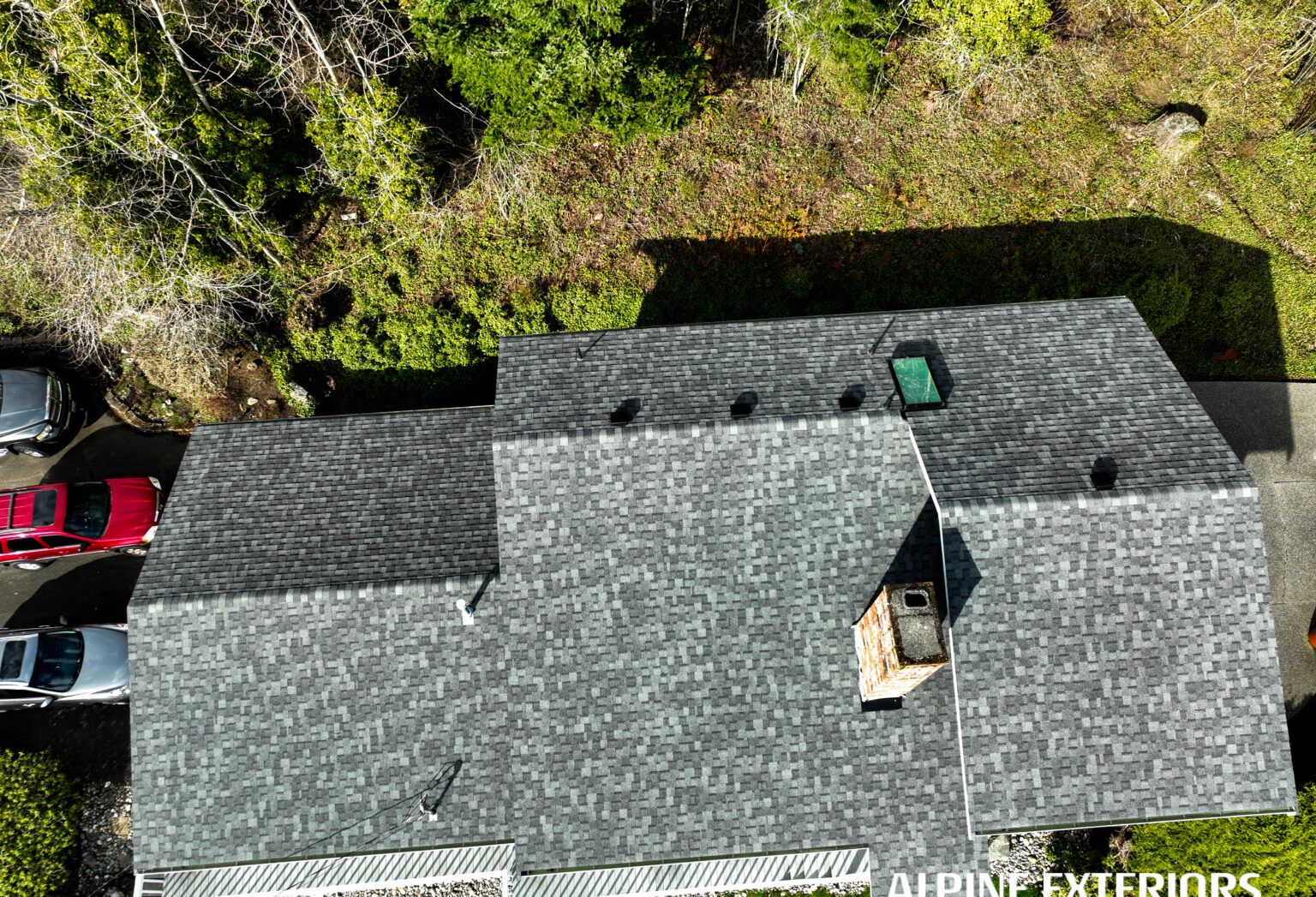
When Whatcom County homeowners start pricing new siding, the first question is almost always "how much," and the second is usually "why does my neighbor's two-story house cost so much more than my one-story place?" The honest answer is that story count changes nearly every line item in a siding job, not just the material bill. It changes the labor hours, the equipment on site, the disposal logistics, and the amount of careful flashing work needed to keep wind-driven rain out of the wall assembly. This page lays out realistic cost ranges for one-story and two-story homes from Bellingham to Blaine, Ferndale to Lynden, Sudden Valley to Birch Bay and the islands, and explains what actually pushes a bid up or down.
Siding costs in Whatcom County tend to span a wide band because so much depends on what's found once the old siding comes off, not just the new material chosen. A one-story rambler with sound sheathing, simple rooflines, and easy ground-level access sits near the lower end of most estimates. A two-story home with dormers, a steep roof pitch, or sheathing that has been absorbing our long rainy season for two or three decades sits meaningfully higher, sometimes thirty to fifty percent more per square foot once access, disposal, and repair work are added in. Alpine Exteriors prices most jobs as a range until a crew has physically opened a test section of wall, because what's hiding under old siding in this climate is rarely uniform from one wall to the next, let alone one house to the next.
| Cost factor | Typical low | Typical high |
|---|---|---|
| Material and installed labor, one-story, straightforward walls | $6/sq. ft. | $11/sq. ft. |
| Material and installed labor, two-story or complex rooflines | $10/sq. ft. | $18/sq. ft. |
| Scaffolding or staging premium for second-story work | $1,500 | $4,500 |
| Tear-off and disposal of old siding | $1,200 | $4,000 |
| Sheathing repair and wood rot remediation | $500 | $10,000+ |
| Trim, fascia, and soffit detail work | $1,500 | $7,000 |
| Upgraded weather-resistive barrier and flashing package | $1/sq. ft. | $3/sq. ft. |
The rot remediation line is deliberately open-ended. A wall that's been shedding water correctly for years might need almost nothing beyond new house wrap. A north-facing wall that's stayed damp behind failed old siding can mean replacing whole sheets of sheathing, and sometimes framing, before a single new panel goes up. Any contractor who gives you one flat number without opening a test section first is guessing.
Beyond material choice, a handful of regional factors consistently separate a modest bid from an expensive one:
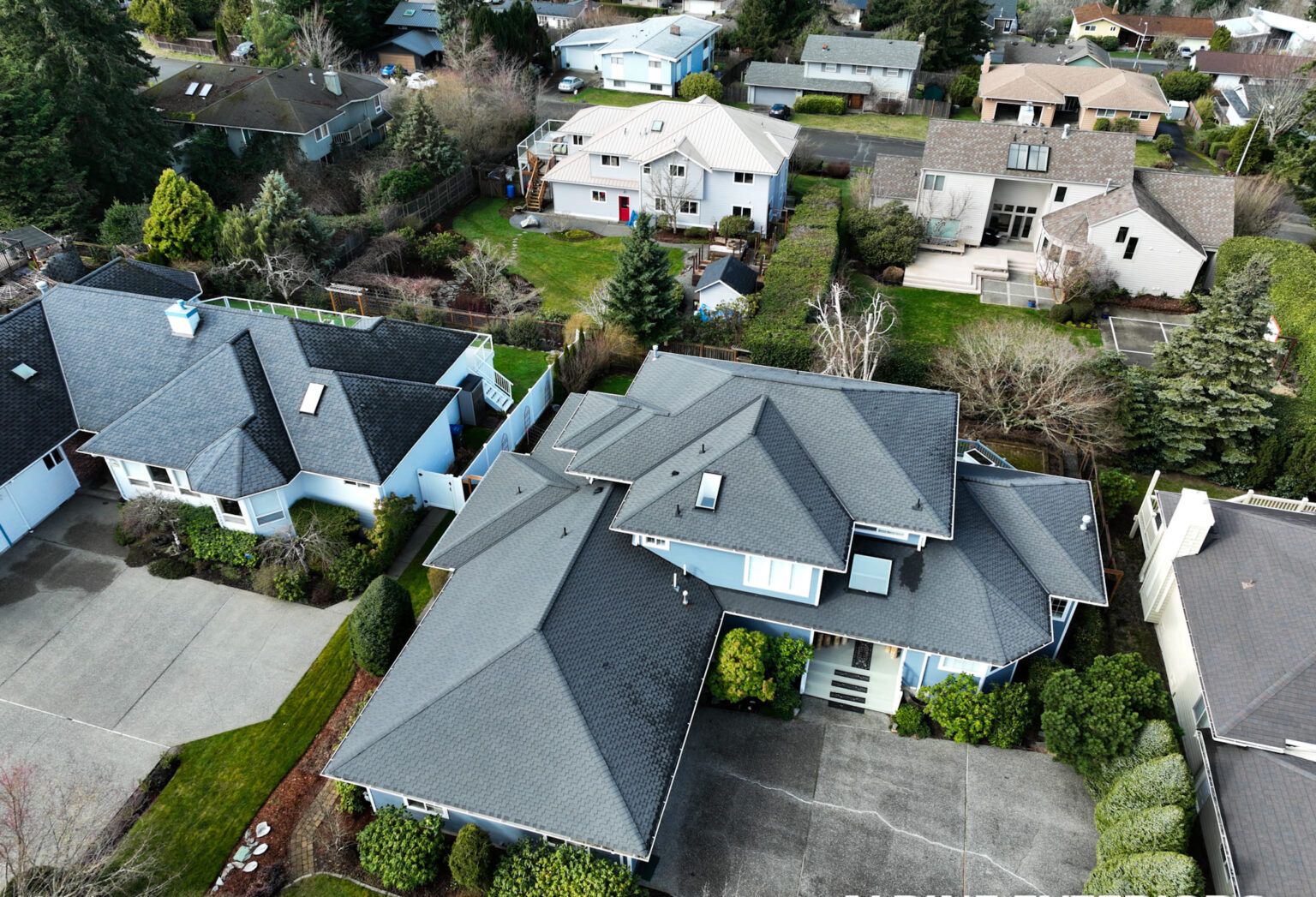
A usable, comparable quote spells out scope in writing, not just a bottom-line number. Look for these elements before you sign anything:
Comparing two bids by their bottom line alone is close to useless if the scope behind each number is different. Start by normalizing what's actually included: does the per-square-foot price cover tear-off and disposal, or are those billed separately? Is the rot repair allowance a fixed number, a per-unit rate, or left vague? A quote that looks cheaper on paper often turns out to have thinner flashing detail, a smaller rot allowance, or subcontracted scaffolding crews who aren't as familiar with the house as the installers.
It's also worth confirming a contractor's Washington state license status directly with the Department of Labor & Industries rather than taking a business card at its word, and asking plainly who performs the second-story access work: in-house crew or a subcontractor. Alpine Exteriors carries Washington contractor license ALPINI751OW, and we'd encourage you to verify that license, and any other contractor's, before signing. Finally, ask each bidder specifically how they plan to detail flashing around windows and doors given our wind-driven rain. The answer tells you more about long-term quality than the brand of siding on the sample board.
Financing is available through many siding contractors, including Alpine Exteriors, usually through a third-party lender. Terms vary a great deal between offers, so read the annual percentage rate and any deferred-interest fine print closely before committing; a promotional rate that reverts to a much higher rate if not paid off in time can end up costing more than a straightforward loan.
On the insurance side, homeowners policies typically cover siding damage tied to a discrete, sudden event, such as a windstorm or a falling branch. They generally do not cover the gradual moss, algae staining, or wood rot that comes from years of routine moisture exposure, since insurers treat that as a maintenance issue rather than a covered loss. If you suspect rot behind aging siding, an inspection now is worth far more than hoping a future claim will cover a problem that's been building for years. Once new siding is installed, register the manufacturer's warranty and keep your paperwork; it's often required if you ever need to make a warranty claim.
In most cases, yes. The material itself doesn't cost more by story count, but the labor to safely access, stage, and detail a second story does, along with the added scaffolding and longer project timeline. That's why two-story bids in this region commonly land noticeably higher per square foot than one-story bids on comparable materials.
It depends on the height, roofline, and how much of the house needs elevated access, but it's a real line item, not a minor add-on. Ask any contractor bidding a two-story job to itemize it separately so you can see what you're paying for rather than having it buried in a single per-square-foot number.
New siding removes the existing staining, but it won't stop moss and algae from returning over time in a climate this wet, especially on shaded, north-facing walls. Proper spacing for airflow, good gutters and drainage, and periodic gentle cleaning all help slow regrowth, but no siding material is permanently immune to it here.
Permit requirements depend on the scope of work and whether the project is inside a city or in unincorporated Whatcom County, and they can change, so it's worth confirming with the relevant building department for your specific address before work begins. A reputable contractor should be able to tell you whether your project needs one and should handle that paperwork as part of the quote.
If you're weighing siding options for a one-story or two-story home anywhere from Bellingham and Ferndale to Lynden, Blaine, Birch Bay, Sudden Valley, or Lummi Island, Alpine Exteriors can walk your property, open a test section where it makes sense, and put together a written, itemized quote so you know exactly what you're comparing. Reach out to schedule an on-site estimate.