
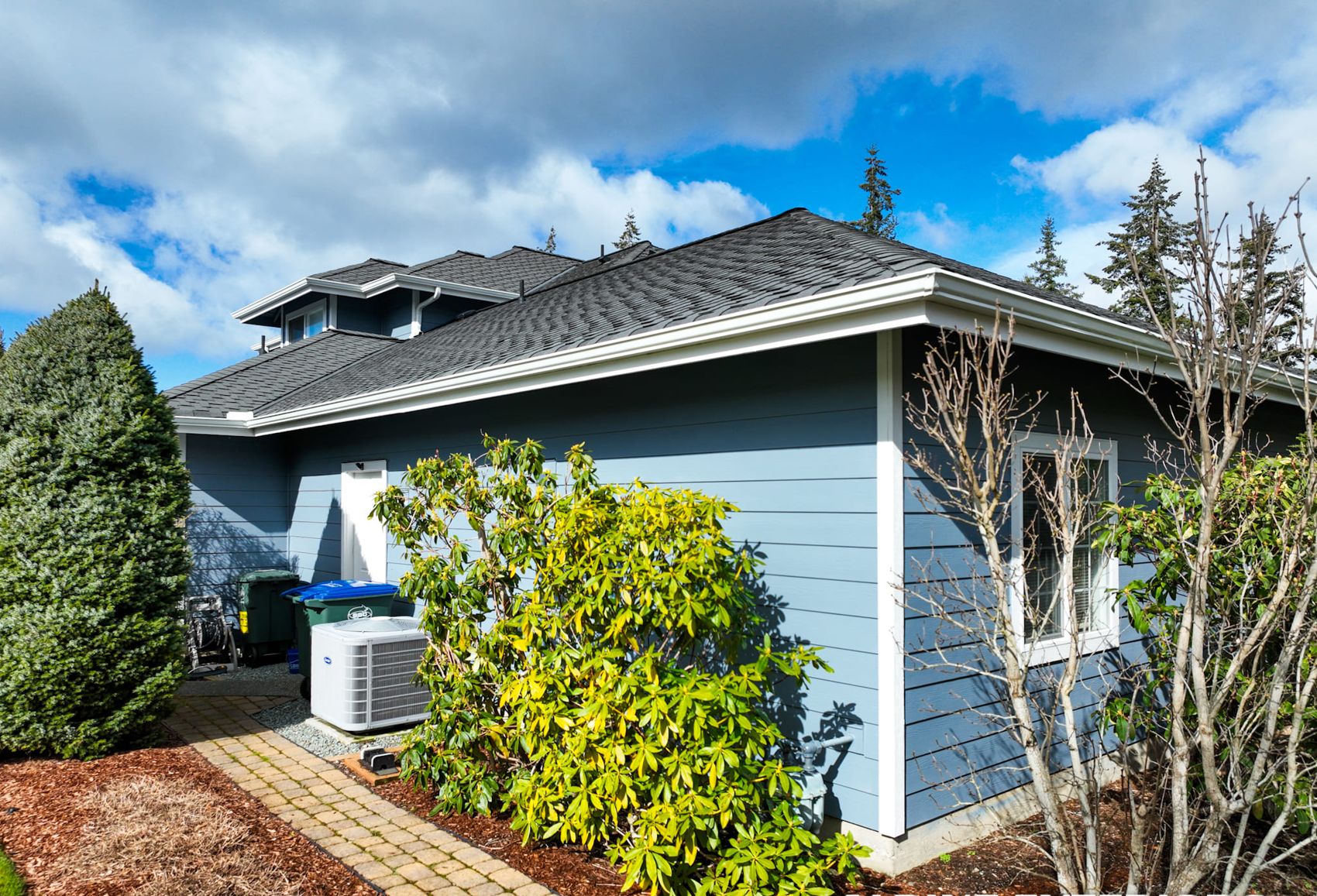
Alabama Hill sits up above the flats of central Bellingham, and that elevation is a mixed blessing for the siding on your house. The views toward Bellingham Bay and the San Juans are real, but so is the wind that comes with them. Homes on the exposed west- and south-facing sides of the hill take wind-driven rain straight off the water, while homes tucked into the north-facing slopes fight a different battle: shade, damp ground, and moss creeping up from the foundation. Add in a housing stock that ranges from 1950s and 60s homes with original wood siding to newer infill builds, and "what should siding cost here" doesn't have one answer. This page walks through realistic ranges, what pushes a project toward the low or high end, and what a fair quote from a licensed local contractor should actually include.
For a typical single-family home in the Alabama Hill area, full siding replacement generally runs from the low tens of thousands of dollars on the low end to well into the higher tens of thousands on the high end, depending heavily on material, home size, and how much of the wall assembly underneath needs repair. A small rambler with straightforward wall lines and sound sheathing will land toward the bottom of any range. A two-story home with dormers, a wraparound porch, extensive trim, or hidden rot behind the old siding will land toward the top, sometimes above it. These are directional ranges, not quotes — every home on the hill has a different exposure, a different age of sheathing, and a different amount of hidden damage waiting behind the old siding.
| Cost Factor | Low End | High End |
|---|---|---|
| Material (vinyl, fiber cement, engineered wood, cedar) | Basic vinyl or entry-level fiber cement | Premium fiber cement, cedar, or specialty profiles |
| Home size and wall complexity | Single-story, simple rectangular footprint | Two-story with dormers, gables, multiple rooflines |
| Sheathing and framing condition | Sound sheathing, no rot found | Rotted sheathing or framing requiring rebuild |
| Moisture barrier and insulation upgrades | Standard weather-resistive barrier only | Rigid continuous insulation to meet current energy code |
| Trim, fascia, and detail work | Minimal trim, simple corners | Extensive trim, window surrounds, custom detailing |
| Tear-off and disposal | Single layer of existing siding | Multiple layers or aging materials to remove |
The single biggest swing factor on Alabama Hill isn't the siding material — it's what's underneath it. Homes here that still carry original wood siding from the 1950s through 1970s often look fine from the curb but hide decades of slow moisture intrusion at window sills, butt joints, and anywhere caulking failed years ago. Once a crew pulls the old siding, rotted sheathing or framing is a real possibility, and repairing that adds labor and material cost that no estimate can predict without an in-person look. This is the most common reason a final number lands higher than an initial phone estimate.
Exposure matters too. Houses on the west- and south-facing slopes of the hill catch more wind-driven rain off Bellingham Bay and the Strait, and benefit from a more robust weather-resistive barrier and careful flashing at every window and door opening — that isn't optional extra cost, it's what keeps the next few decades of rain out. North-facing lots and homes shaded by mature trees tend to fight moss and algae growth instead, which doesn't necessarily cost more to side but does affect material choice, since some fiber cement and engineered wood products resist organic growth better than raw cedar.
Home size and wall complexity are the other major drivers. A simple single-story footprint with few corners is inherently cheaper per square foot than a home with dormers, bump-outs, multiple gables, and a lot of trim. Material choice matters, but usually less than people expect — the labor to properly flash, house-wrap, and install any siding material correctly on a complex wall is a bigger share of the bid than most homeowners assume.
Current energy code plays a role as well. The Washington State Energy Code has pushed continuous insulation and tighter air-sealing requirements into most residential re-siding work, which is a genuine long-term benefit for heating bills through a long damp winter, but it does add material and labor cost compared to a bare re-side with no insulation upgrade.
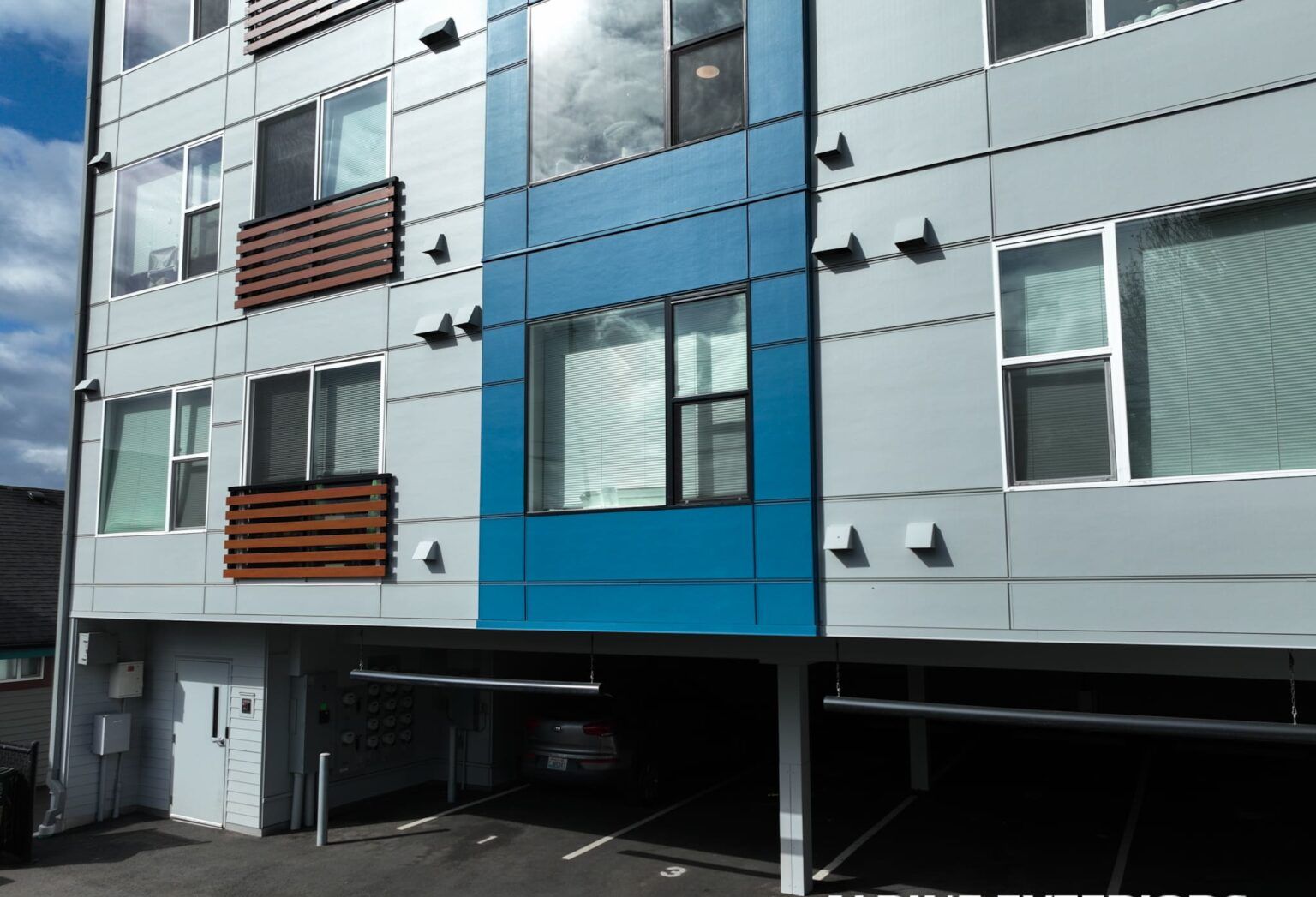
A complete siding quote for a Whatcom County home should spell out more than a single lump-sum number. At minimum, look for a written breakdown that covers: removal and disposal of existing siding, an allowance or a defined process for sheathing and framing repair if rot is found, the specific weather-resistive barrier product and how it will be installed and lapped, flashing details around every window, door, and roof intersection, the exact siding product and profile by manufacturer name, trim and corner details, paint or factory-finish specifications, and a timeline. A quote that skips the moisture barrier and flashing details and jumps straight to "siding installed" is leaving out the part of the job that actually determines whether the house stays dry.
It's also worth asking whether the bid assumes the sheathing underneath is sound, or whether it includes a contingency rate for repair if rot is discovered once the old siding comes off. Contractors who won't commit to even a contingency rate for that scenario are usually leaving themselves room to renegotiate mid-project, which is a common source of budget surprises. Alpine Exteriors builds sheathing repair contingencies into its written estimates for exactly this reason — it's a predictable issue on homes of a certain age in this area, not an unusual one.
The cheapest bid and the most expensive bid on the same house are rarely describing the same scope of work, so a line-by-line comparison matters more than the bottom-line total. Check that every bid includes the same material tier — a vinyl bid and a fiber cement bid are never apples to apples, even if the numbers look close. Check that removal and disposal are both included, not quoted separately after the fact. Check whether continuous insulation to meet current energy code is included or treated as an add-on, since that single line item can shift a bid by a meaningful amount. And check the contractor's Washington state license status directly through the Department of Labor & Industries rather than taking a business card at face value — it takes a few minutes and confirms both that the license is active and whether there's a bond and insurance on file. Alpine Exteriors holds Washington contractor license ALPINI751OW, and homeowners are welcome to verify that directly with L&I before signing anything.
Beyond the paperwork, ask each contractor how they handle flashing at windows and doors, since that detail is where most siding failures in this climate actually start, and ask for manufacturer product data rather than just a verbal material description. A contractor who can speak specifically to your home's exposure on the hill is generally giving a more honest number than one who quotes a flat rate per square foot sight unseen.
Most siding contractors in Whatcom County, including Alpine Exteriors, can point homeowners toward third-party financing options that spread the cost over monthly payments rather than requiring the full amount up front, though approval, terms, and rates depend on the lender and the homeowner's credit, not on the contractor. It's worth asking early in the estimate process what financing partners a contractor works with, since not every company offers the same options.
On the insurance side, siding replacement itself is usually treated as a maintenance or improvement project and paid out of pocket or through financing rather than through a homeowner's insurance claim. The exception is when siding has been damaged by a specific covered event — a windstorm that tore panels loose, a fallen branch, or similar sudden damage — in which case a homeowner's policy may cover repair or replacement of the damaged sections. Gradual issues like wood rot from long-term moisture intrusion, moss and algae growth, or normal wear from years of Pacific Northwest weather are typically considered maintenance items and are not covered by standard homeowner's policies, so it's worth having a candid conversation with your insurance agent before assuming a claim will apply.
The biggest variable is what's found once the old siding comes off. Two homes of the same size can end up with very different final costs if one has sound sheathing and the other has years of hidden moisture damage behind the walls, particularly around older window openings and butt joints where original caulking has failed.
It can. Homes on the more exposed west- and south-facing sides of the hill deal with more wind-driven rain and may need more attention to flashing and weather-resistive barrier detailing, while shaded north-facing homes tend to deal more with moss and algae, which can influence material choice more than overall price.
For many homes it is, since it addresses energy performance under the Washington State Energy Code and can improve comfort and heating costs through the long damp winter here, but it is an added cost over a bare re-side and should be discussed explicitly as its own line item in any quote.
Compare scope line by line rather than the total price alone — confirm the material tier, whether removal and disposal are included, whether a moisture barrier and flashing details are specified, and whether the contractor is a verified, actively licensed Washington contractor before assuming a lower number is the better deal.
Every home on Alabama Hill carries its own combination of age, exposure, and wall condition, and the only way to turn a general cost range into a real number is with an in-person look at your specific siding, trim, and sheathing. Alpine Exteriors serves Bellingham and the rest of Whatcom County and can walk your home, point out what's driving your particular estimate, and put it in writing with the same level of detail described above. Reach out for a free, no-pressure estimate and a plain-language explanation of what your project actually needs.