
Lynden homeowners tend to ask about siding replacement cost for one of two reasons: the siding is visibly failing after years of Whatcom County's wet weather, or a contractor doing repairs found rot behind the boards and a small job turned into a bigger one. Either way, the honest answer is that there is no single number that applies to every house. What follows are realistic ranges for this region, the factors that push a project toward the low or high end, and what to look for when you compare bids. Alpine Exteriors has worked on homes throughout Lynden, Ferndale, and the rest of Whatcom County, and pricing here is shaped as much by moisture and prep work as by the siding material itself.
For a typical Lynden single-family home, full siding replacement usually lands somewhere between the mid-teens and mid-forties (in thousands of dollars), with most projects clustering in the middle of that range once tear-off, sheathing repair, and trim work are included. On a per-square-foot basis, material and labor together commonly run from the high single digits to the high teens per square foot of wall area, depending heavily on the material chosen and how much of the wall assembly underneath needs attention. Smaller homes and simple gable rooflines sit toward the lower end; larger two-story homes, homes with a lot of dormers or trim detail, or homes with hidden rot sit toward the higher end.
| Cost Factor | Pushes Toward Low End | Pushes Toward High End |
|---|---|---|
| Siding material | Vinyl or basic fiber cement lap | Cedar, engineered wood panels, or premium fiber cement profiles |
| Tear-off and disposal | Single layer, easy access, no hazardous materials | Multiple layers, steep site access, or older materials requiring special handling |
| Sheathing and rot repair | Sheathing is sound, no rot found | Moisture damage found behind siding, requiring sheathing and framing repair |
| Trim, flashing, and detail work | Simple rectangular footprint, few windows | Many windows, dormers, decks, or complex rooflines needing custom flashing |
| Home size and stories | Single story, modest square footage | Two-plus stories or larger wall area |
| Energy code upgrades | Existing insulation already compliant | Continuous insulation or air-sealing upgrades needed to meet current code |
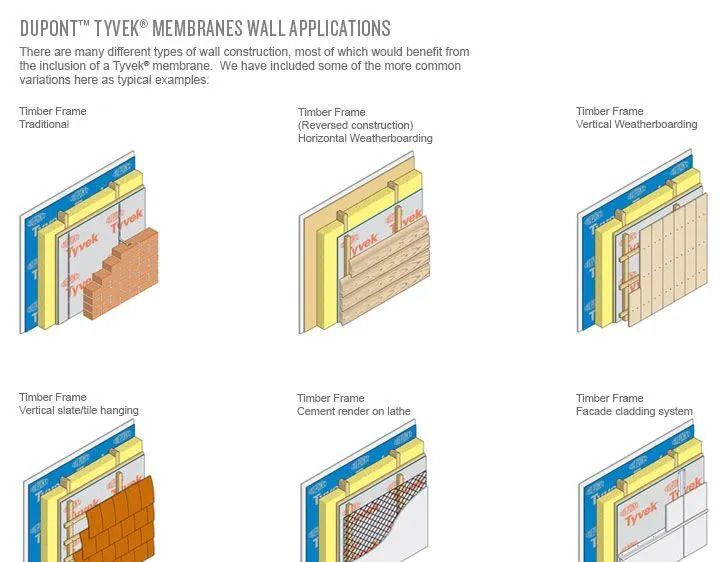
Whatcom County's climate is the single biggest variable that separates a straightforward bid from a more expensive one. Persistent rain over many months means moisture finds any gap in flashing, caulking, or siding overlap, and by the time siding is due for replacement it is common to find soft or rotted sheathing at window sills, deck ledgers, and lower wall sections that never fully dry out. Moss and algae growth on north-facing walls and shaded sides of the house also signal ongoing moisture exposure, and those areas often need extra cleaning, priming, or even sheathing repair that a simple visual estimate would miss.
Homes closer to Bellingham Bay and the Strait see more wind-driven rain, which pushes water sideways into seams and laps rather than letting it run straight down. That means flashing details at windows, doors, and horizontal trim boards matter more here than they would in a drier climate, and a contractor who skips proper weather-resistive barrier detailing to save time is setting up a callback. Farther inland toward the foothills, freeze-thaw cycles through the winter can stress caulking and rigid siding materials over time, which is worth factoring into material choice and maintenance expectations.
The Washington State Energy Code also plays a real role in cost once siding comes off down to the sheathing. Depending on the scope of the project and the wall assembly, code may require continuous insulation or air-sealing improvements that were not present in the original construction. This is not a project killer, but it is a line item that a low bid sometimes leaves out entirely, only to surface as a change order once the permit inspector gets involved.
A complete, comparable quote should spell out more than a total price. At minimum, look for a written scope that covers:
If a bid is silent on rot repair, flashing, or the weather barrier, ask directly. These are the items that separate a durable job from one that looks fine for a season and then fails where water gets behind the new siding.
The biggest mistake homeowners make when comparing bids is lining up total dollar figures without checking whether the scope is the same. A lower number that excludes sheathing repair, permit fees, or proper flashing is not actually a lower price once those items get added back in as change orders. Ask each contractor for the same level of detail: material brand and profile, whether tear-off is included, how rot repair is priced if discovered, and what the payment schedule looks like.
It is also worth confirming that whoever you hire is properly licensed and insured to work in Washington. Alpine Exteriors carries Washington contractor license ALPINI751OW, and any homeowner can verify a contractor's license status and bond directly through the state before signing a contract. Be cautious of bids that ask for a large deposit upfront, that have no written scope, or that seem unusually low compared to the rest of the range described above — those are common signs of corners being cut somewhere in the wall assembly you won't see once the siding goes back on.
Many siding contractors, including Alpine Exteriors, can point homeowners toward financing options for larger projects, whether through a contractor-arranged lender, a home equity line, or a manufacturer financing program. Terms vary by lender and credit profile, so it is worth comparing more than one option rather than accepting the first offer presented.
On the insurance side, homeowners policies typically cover sudden, specific damage — a windstorm off the Strait that tears loose a section of siding, or a falling branch that punches through a wall — rather than gradual deterioration from age, moss, or long-term moisture exposure. If a storm event damages your siding, document it with photos promptly and contact your insurer before starting repairs, since gradual rot found during a routine replacement is generally treated as a maintenance issue rather than a covered claim.
Timelines depend heavily on home size and how much sheathing repair is needed once old siding comes off. A straightforward single-story home with sound sheathing can often be completed in under two weeks, while a larger home or one with significant rot repair can take several weeks longer, particularly if wet weather interrupts the schedule.
In most cases, yes. Whatcom County and the City of Lynden generally require a building permit for siding replacement, especially when sheathing or the weather-resistive barrier is being replaced or when the project triggers Washington State Energy Code compliance. A reputable contractor will handle the permit application as part of the job rather than leaving it to the homeowner.
Both perform well in Whatcom County when installed correctly, but they have different tradeoffs. Vinyl is generally less expensive and low-maintenance but can be more prone to visible warping in temperature swings, while fiber cement holds up well to persistent rain and moss exposure but costs more upfront and requires periodic repainting. The better fit depends on your budget, the home's style, and how much long-term maintenance you want to take on.
It is sometimes possible, but it is rarely a good idea in this climate. Installing over existing siding skips the sheathing inspection step, which means any rot or moisture damage from years of persistent rain stays hidden and continues to spread. Most contractors, including Alpine Exteriors, recommend full tear-off so the wall assembly can actually be inspected and repaired before new siding goes on.
Every home in Whatcom County carries its own combination of age, exposure, and prior repairs, and the ranges above are a starting point, not a substitute for an on-site look at your walls. Alpine Exteriors offers inspections and written, itemized quotes for homeowners in Lynden, Ferndale, Bellingham, and the surrounding area, so you can see exactly what drives your project's cost before committing to a contractor.