
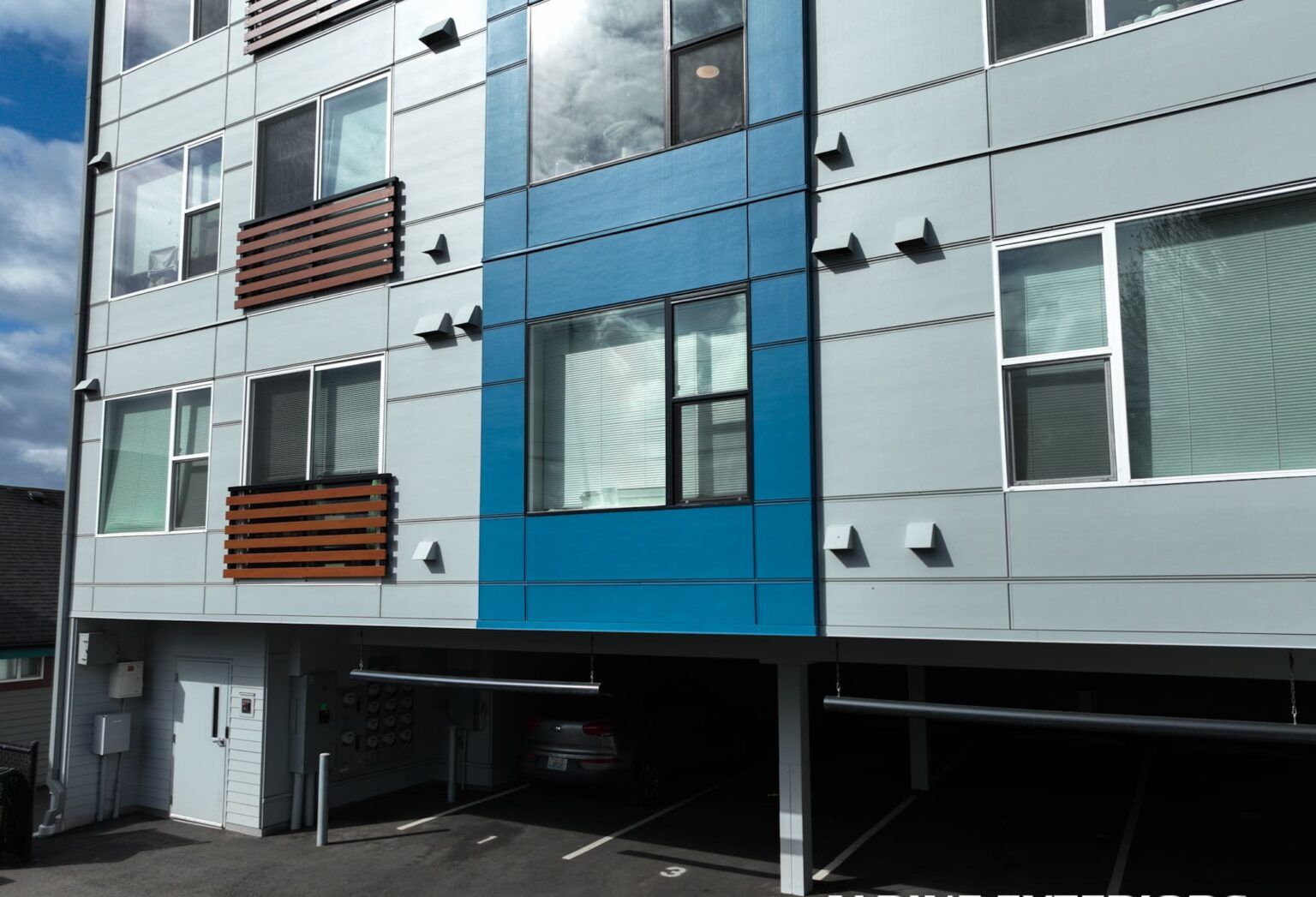
If you're pricing out siding replacement for a home in North Bellingham — or nearby in Ferndale, Lynden, Blaine, Birch Bay, Sudden Valley, or on one of the islands — you've probably already noticed that quotes can swing widely from one contractor to the next. That's not always a sign someone is padding the bid or someone else is cutting corners. Siding pricing in this part of Whatcom County depends on a mix of material choice, how much of the wall assembly underneath has been damaged by years of Pacific Northwest rain, and how exposed the house is to wind-driven weather off Bellingham Bay and the Strait of Georgia. This page walks through realistic price ranges, the factors that push a project toward the low or high end, and what to actually look for in a written quote before you sign anything.
There is no single number that fairly represents "siding replacement cost" in North Bellingham, because so much depends on what's happening behind the existing siding once it comes off. A straightforward tear-off and re-side on a single-story home with sound sheathing sits at the low end of the range below. A project that uncovers rot in the wall sheathing, requires a full rainscreen upgrade to meet current energy code, or involves a steep multi-story house near the water climbs toward the high end — sometimes well past it. Use the table below as a starting point for budgeting, not a quote.
| Cost Factor | Low End | High End |
|---|---|---|
| Siding material (vinyl, engineered wood, fiber cement) | Lower-cost vinyl on a simple ranch | Fiber cement with a factory finish on a complex elevation |
| Tear-off and disposal of old siding | Single layer, easy access, curbside disposal | Multiple layers, steep or restricted access, extra dump fees |
| Sheathing and rot repair | No hidden damage found once siding is off | Significant wood rot around windows, corners, or the water table requiring sheathing replacement |
| Moisture barrier / rainscreen system | Basic weather-resistive barrier only | Full drainage rainscreen with vertical furring, required in some assemblies |
| Trim, fascia, and accessory work | Minimal trim, standard corners | Extensive trim detail, custom corners, shutters, decorative bands |
| House size and number of stories | Single-story, simple rectangular footprint | Two- or three-story home with dormers, bays, or a steep lot |
| Painting or color finish | Factory-finished or single-color vinyl | Custom paint-grade fiber cement, multiple accent colors |
| Permits and inspection | Standard residential re-side permit | Added engineering or inspection for structural repairs |
Most homeowners in North Bellingham land somewhere in the middle of these ranges once tear-off, some amount of rot repair, and a proper moisture barrier are all accounted for. Homes that have been well maintained with no history of leaks tend to land closer to the low end; homes with older wood siding that's been absorbing moisture for a decade or more tend to land higher, because the real cost driver usually isn't the visible siding — it's what's found once that siding comes off the wall.
A handful of conditions specific to this part of Whatcom County show up again and again once a project is underway, and they're worth understanding before you get a quote rather than after.
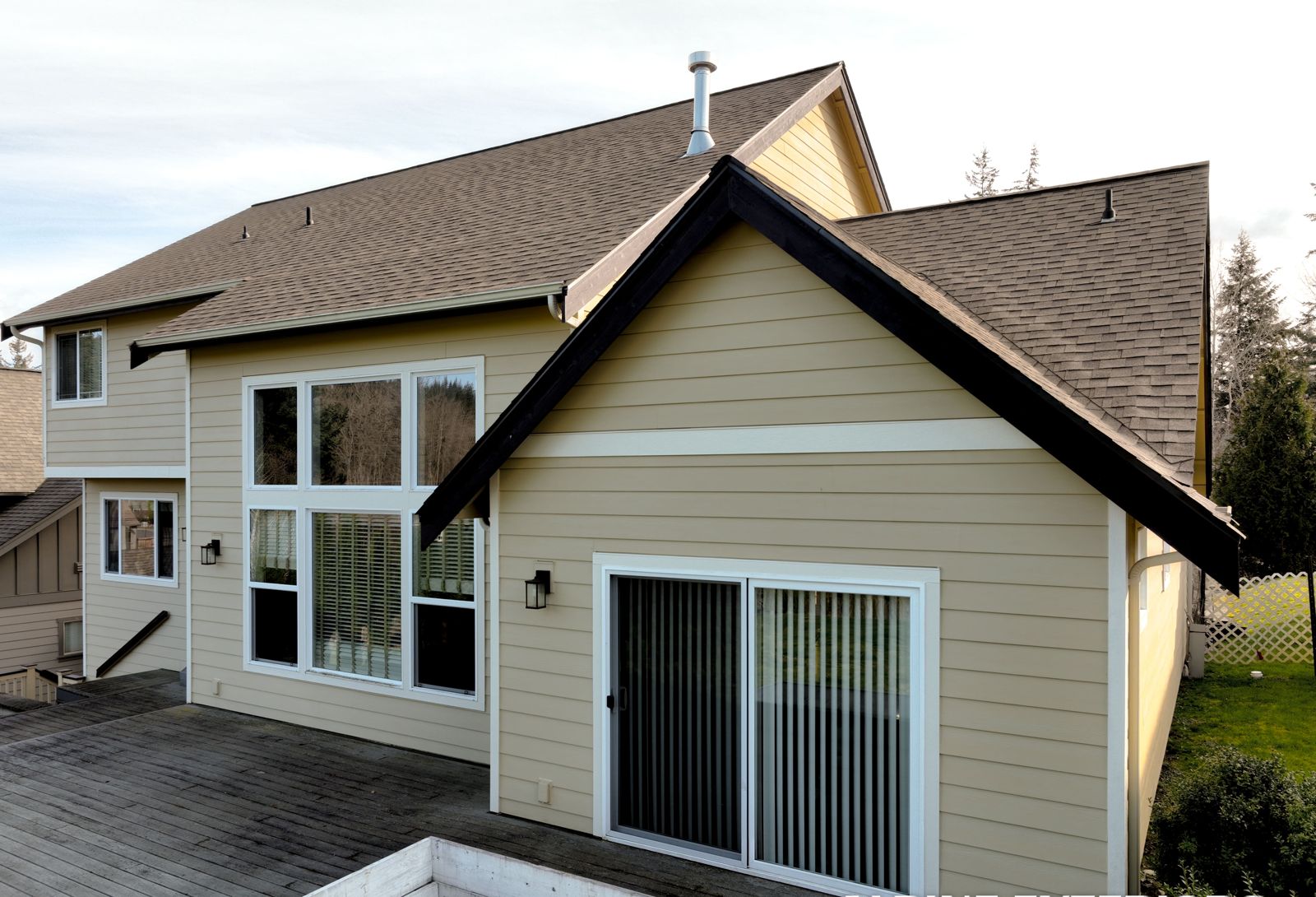
A siding quote that's actually usable for comparison should read more like a scope of work than a single lump-sum number. At minimum, look for these items spelled out in writing.
A contractor who can't walk you through each of these before starting work is asking you to accept unknowns you shouldn't have to accept on a project this size.
Because siding quotes vary so much based on scope rather than just price, comparing two bids side by side only works if you're comparing the same underlying project.
Many siding contractors, including Alpine Exteriors, can point homeowners toward third-party financing options that let a re-siding project be paid off over time rather than all at once; terms and approval depend entirely on the lender, not the contractor, so it's worth reviewing any financing offer on its own terms before committing. On the insurance side, it's worth setting expectations early: homeowner's insurance generally covers siding damage from a sudden, specific event — a windstorm tearing off panels, a falling limb, that kind of thing — but it typically does not cover gradual deterioration, long-term moisture intrusion, or rot that built up over years of normal weather exposure. If a windstorm or specific damaging event is involved, document the damage with photos before any repair work starts and contact your insurer directly; a contractor can provide a repair estimate to support a claim, but the claim decision itself is the insurer's.
Timeline depends heavily on house size, weather windows, and what's found once tear-off begins. A straightforward single-story project can often move fairly quickly in a dry stretch of weather, while a larger multi-story home, or one where sheathing repair is needed, takes longer. Because this region sees extended wet periods for much of the year, contractors often need to plan around forecasted dry windows to keep the wall assembly protected during tear-off, which can add scheduling flexibility into the timeline rather than a fixed number of days.
Both are used successfully in North Bellingham, and the right choice depends on budget, maintenance preference, and how exposed the specific walls are to wind-driven rain. Vinyl is generally lower cost upfront and low-maintenance, but can be more prone to showing wear on walls with heavy moss or algae exposure. Fiber cement costs more upfront and typically needs periodic repainting if not factory-finished, but tends to hold up well against sustained moisture exposure when properly installed with correct flashing and a functioning moisture barrier. Neither material solves a moisture problem on its own — the installation detail underneath matters as much as the material choice.
Most re-siding projects require a building permit, and if the scope includes structural sheathing repair or changes affecting the wall assembly's insulation, Washington State Energy Code compliance may come into play as well. Requirements and review timelines are set by the local permitting jurisdiction, so it's worth confirming specifics for your property before work begins. A reputable contractor will handle this as part of the project rather than leaving it to the homeowner to sort out.
Sometimes, but it depends on the material and how localized the damage is. Vinyl and fiber cement products change slightly in color and profile over time due to sun and weather exposure, so a patched section on an older wall can be visibly different from the surrounding siding. Full-wall or full-house replacement also gives a contractor the chance to inspect and correct the moisture barrier and flashing across the whole exterior rather than just at the damaged spot, which matters more in a wet climate like this one than it might elsewhere. A contractor can walk the property and give an honest opinion on whether a partial repair makes sense for your situation.
Every home in North Bellingham carries its own combination of exposure, age, and wall condition, which is why real pricing only comes from a walk-through rather than a number pulled off a website. Alpine Exteriors, WA contractor license ALPINI751OW, provides on-site inspections and written, itemized quotes for siding replacement throughout Whatcom County, including Bellingham, Ferndale, Lynden, Blaine, Birch Bay, Sudden Valley, and the islands. If you're weighing options for a re-siding project, reach out to schedule an inspection and get a scope-based quote you can actually compare against other bids.