Best Siding Colors for Downtown Bellingham Homes
Updated August 2026 · Alpine Exteriors · WA contractor license ALPINI751OW
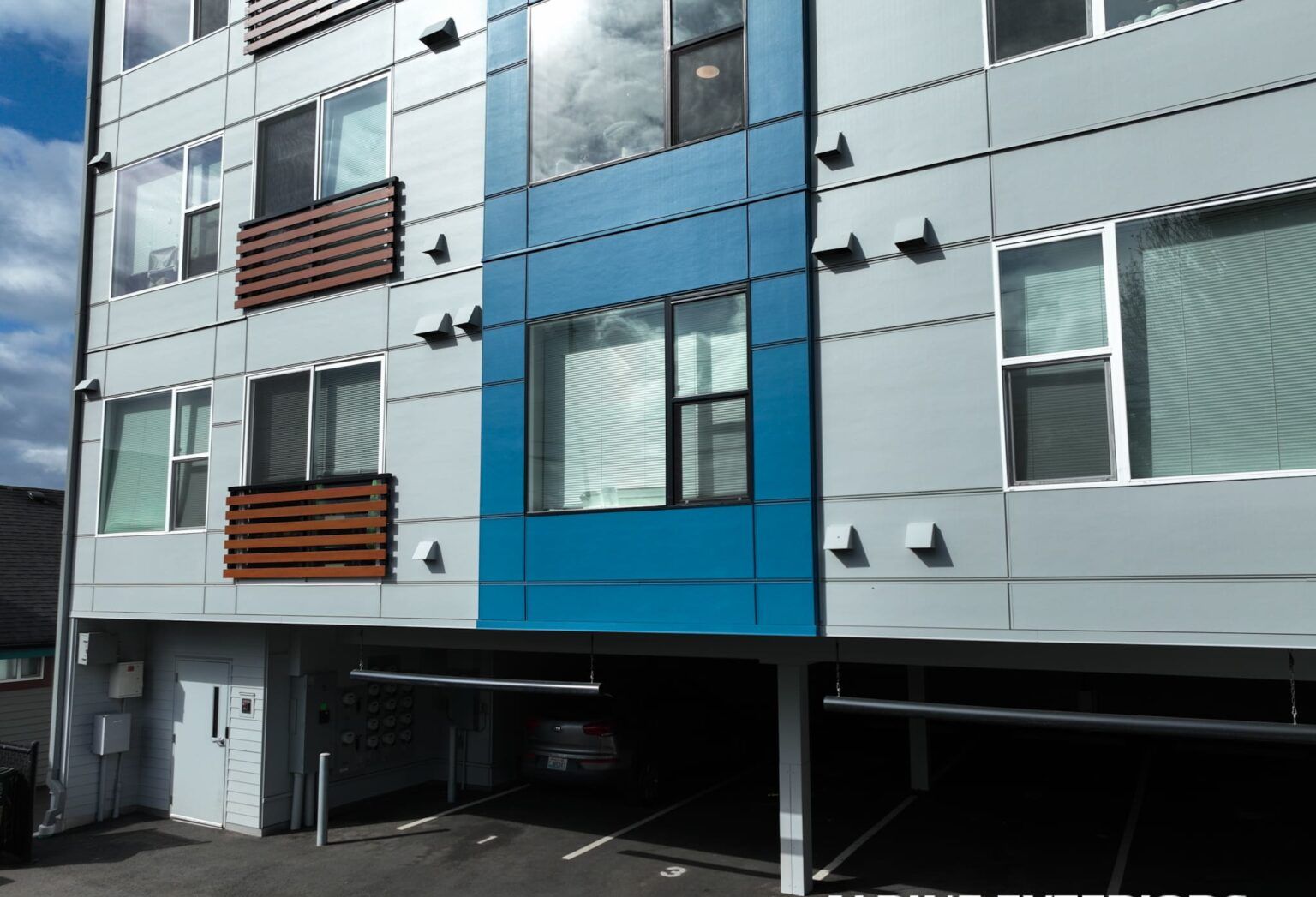
Choosing a siding color in Downtown Bellingham isn't just an aesthetic decision — it's a decision about how your house will look after five winters of Pacific Northwest rain, how well it hides or shows moss and algae, and whether it fits the visual character of a neighborhood that includes historic districts like Fairhaven and Eldridge. Alpine Exteriors has installed and repainted siding across Whatcom County long enough to know that the color that looks great on a sample chip in dry Bellevue sunlight can behave very differently on a shaded, moisture-heavy lot two blocks from Bellingham Bay. This guide walks through what actually holds up here, and what to avoid.
The Short Answer
For most Downtown Bellingham homes, the colors that perform best over time are mid-tone warm greiges and taupes, muted sage or forest greens, and classic creams or off-whites — with deep charcoal reserved for homes with good sun exposure and manufacturer-backed fade protection. These tones share three traits that matter in this climate: they're forgiving of the fine mineral streaking that rain leaves on siding, they don't show algae bloom as starkly as pure white or jet black, and they tend to sit comfortably within the palettes favored by Bellingham's historic overlay districts and most HOA design guidelines. None of this means bold choices are off the table — it means going in with eyes open about the tradeoffs below.
How We Judged These Colors for Whatcom County
We didn't rank colors on looks alone. The criteria below reflect conditions that are specific to Bellingham and the surrounding county, not generic siding advice.
- Moss and algae visibility. Whatcom County's damp, often shaded lots — especially under the mature conifers common in Downtown Bellingham, South Hill, and Sudden Valley — grow moss and green algae on siding faster than drier climates. Some colors camouflage the first year of growth; others show it within months.
- Fade in a marine climate. Bellingham doesn't get the intense year-round UV load of the Southwest, but south- and west-facing walls still take real sun in summer, and dark pigments absorb more heat and fade or chalk faster than mid-tones over a decade-plus lifespan.
- Wind-driven rain. Storms rolling in off Bellingham Bay and the Strait of Georgia push rain sideways into lap seams, trim, and inside corners. This affects installation detailing more than color choice, but darker colors can make water staining and mineral streaking at seams more visible, while some lighter colors show the same streaking as dirt.
- Freeze-thaw at elevation. Homes up toward Sudden Valley and the foothills see more freeze-thaw cycling than lots right on the water. Field-painted wood siding is more prone to cracking and peeling under repeated freeze-thaw than factory-finished fiber cement, which matters when you're choosing between a paint color and a baked-on factory finish.
- HOA and historic-district norms. Fairhaven Historic District and the Eldridge Historic District both have design review expectations that lean toward heritage-appropriate, muted palettes, and several newer Whatcom County HOAs restrict saturated or high-contrast color schemes. Check your covenant or district guidelines before you commit.
- Washington State Energy Code. The WSEC drives wall assembly choices like continuous insulation and vapor management more than it drives color, but thicker assemblies can change trim reveals and butt-joint spacing, which is worth coordinating with your siding contractor when you're also repainting or re-siding.
Color Options: Honest Pros and Cons
Warm Greige and Taupe
This is the workhorse choice for a reason. Warm greige splits the difference between too-stark white and too-heavy dark tones.
- Pros: Hides road dust, pollen, and light mineral streaking well; reads as neutral and historic-district-friendly; pairs easily with the muted greens and browns of the surrounding landscape; available in most fiber cement factory-finish lines with a fade warranty.
- Cons: Can look flat or forgettable without contrasting trim; some greiges pull slightly green or pink depending on lighting, which is worth checking against a large sample on your actual house, not just a chip.
Deep Charcoal and Black
Charcoal siding has become popular around Bellingham in the last several years, especially on newer builds and remodels going for a modern look.
- Pros: Striking against the region's greenery and gray skies; hides moss staining longer than white because the contrast is lower; factory-finished fiber cement versions with UV-stable pigments resist chalking better than field-applied dark paint.
- Cons: Absorbs more heat on south- and west-facing walls, which can accelerate fade and, on vinyl siding specifically, cause heat warping — fiber cement doesn't have that warping risk, but color-matched vinyl trim pieces might. Dark colors also show water spotting and pollen streaks more visibly right after they happen, even if they hide long-term algae growth better. Some historic district guidelines discourage near-black exteriors on primary elevations.
Soft Sage and Forest Green
Green siding has a long history in this region and tends to read as intentional rather than trendy.
- Pros: Blends with the Douglas fir and cedar canopy common on Downtown Bellingham lots; muted greens are almost always acceptable under historic and HOA guidelines; does a good job disguising the earliest stages of algae growth since the tones overlap.
- Cons: Once moss growth gets established and mats up, it can actually be harder to spot early on a green house, which means maintenance (a soft wash on a schedule) matters more, not less; brighter or yellow-leaning greens fade unevenly and can look dated faster than muted sage.
Classic White and Cream
White and cream remain common on Craftsman and cottage-style homes throughout Bellingham's older neighborhoods.
- Pros: Timeless, resells well, and is almost universally accepted by historic districts and HOAs; brightens shaded lots that don't get much direct sun.
- Cons: This is the color most likely to show green algae streaking and black mildew spotting on shaded, north-facing walls or under overhangs — a real issue on the tree-covered lots common downtown. Pure white also shows wind-driven rain streaking at seams more than mid-tones. Expect more frequent gentle washing to keep it looking clean.
Navy and Slate Blue
A confident choice that nods to the area's maritime character without being a novelty color.
- Pros: Reads as sophisticated and pairs naturally with a water-adjacent setting; mid-dark value hides moderate streaking better than white while fading less noticeably than black.
- Cons: Less common in historic district palettes, so it's worth confirming acceptance before ordering; like other dark tones, it will fade and chalk faster on unshaded south and west exposures than a mid-tone greige.
Natural Cedar-Tone Woodgrain
Fiber cement and engineered wood products now replicate real cedar's look without the same maintenance burden.
- Pros: Fits the wooded, PNW aesthetic that many Whatcom County buyers want; factory-finished woodgrain planks avoid the wood rot risk that comes with real cedar exposed to persistent rain.
- Cons: The warm wood tone is more prone to visible fading than a painted solid color, since any unevenness shows against the grain pattern; if you actually install real cedar rather than a fiber cement equivalent, you take on real wood's vulnerability to rot and moss in a climate this wet, and it needs more frequent refinishing.
What to Avoid in Downtown Bellingham and Why
A few choices consistently cause regret here. Bright, highly saturated colors — reds, yellows, oranges — tend to clash with both the muted heritage palettes expected in Fairhaven and Eldridge and the green-and-gray landscape that surrounds most of the county; they also fade unevenly, since bright pigments are generally less UV-stable than muted ones. Pure flat white on a heavily shaded, tree-covered lot is a common regret, because it shows algae and moss streaking faster than almost any other choice — if you love white, budget for more frequent gentle washing or choose an off-white with a hint of warmth instead. Very dark colors on a wall with full south or west sun exposure deserve a hard look at the manufacturer's light reflectance value and fade warranty before you commit, since heat buildup is real even in a mild marine climate. And field-painted wood siding in any color is a tougher proposition here than factory-finished fiber cement, simply because persistent rain and freeze-thaw cycling in the foothills wear down site-applied paint film faster than a baked-on factory finish.
FAQ
Do dark siding colors actually fade faster in Bellingham's climate?
Yes, though less dramatically than in a hotter, sunnier region. Dark pigments absorb more solar heat, and on south- or west-facing walls that get consistent summer sun, that heat accelerates fading and chalking over the life of the siding. North-facing and heavily shaded walls, which describe a lot of Downtown Bellingham lots, see much less of this effect. Ask about the manufacturer's fade warranty on factory-finished products before choosing a dark color for a sun-exposed elevation.
Will Fairhaven or other historic districts restrict my siding color choice?
Possibly. The Fairhaven Historic District and Eldridge Historic District both have design review processes that favor heritage-appropriate, generally muted color palettes, and some individual HOAs elsewhere in Whatcom County have their own covenant restrictions on siding color. Check with the relevant district or association before ordering materials, since this is easier to confirm upfront than to fix after installation.
How much does moss and algae growth really affect which color I should pick?
It's one of the bigger practical factors in this region. Shaded, damp lots — common under the tree canopy in and around Downtown Bellingham — grow moss and green algae on siding faster than drier climates would. Pure white and very dark colors tend to show this growth most starkly by contrast; mid-tone greiges, sages, and taupes tend to visually blend with early-stage growth longer. No color prevents moss and algae outright — regular gentle washing and good gutter maintenance matter more than color choice for long-term control.
Does my siding color choice affect energy efficiency under the Washington State Energy Code?
Not directly in a meaningful way — the Washington State Energy Code governs wall assembly performance through things like continuous insulation and air sealing, not paint or panel color. Where color does intersect with the code is in project planning: if you're re-siding and upgrading insulation to meet current WSEC requirements at the same time, the added wall thickness can shift trim reveals and window details, which is worth coordinating with your contractor before finalizing color and trim choices.
Get a Color and Material Recommendation for Your Home
Every lot in Downtown Bellingham gets a different mix of shade, wind exposure, and rain direction, which means the right siding color for your neighbor's house isn't automatically right for yours. Alpine Exteriors, WA contractor license ALPINI751OW, can walk your property, account for your specific sun and moisture exposure, and show you real samples against your home's actual light before you commit to a color or a material. If you're weighing a full re-side against a repaint, or just want an honest read on how a color will hold up on your particular lot, reach out to Alpine Exteriors for a straightforward, no-pressure consultation.
Want a straight answer for your home? Alpine Exteriors gives free on-site assessments across Bellingham, Ferndale, Lynden, Blaine, Birch Bay, Sudden Valley and the islands.
Call (360) 543-4799 or
request an estimate.