
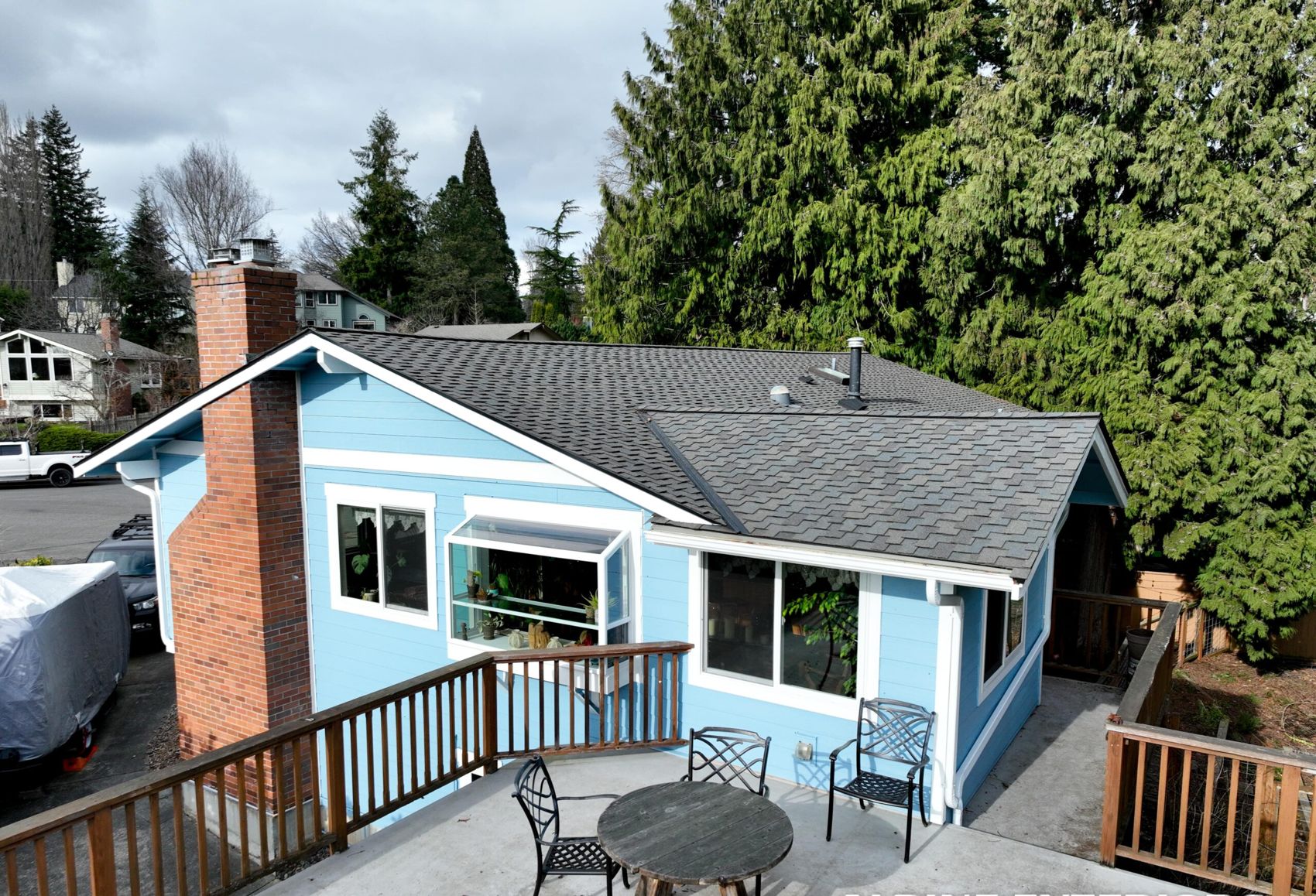
Yes, siding a house in winter around Bellingham is routine work, not a gamble. Alpine Exteriors runs siding crews through the winter months every year, because the real limiting factor isn't the season on the calendar, it's whether there's a dry enough stretch of hours to install the product correctly.
Whatcom County winters bring more rain days than summer, but they're rarely a solid wall of storms. Between systems there are usually windows of a few dry hours to a couple of dry days, and an experienced crew plans around those windows the same way a roofer or painter does. What changes in winter isn't whether the job can happen, it's how the job gets scheduled, sequenced, and protected while it's in progress.
Siding materials themselves don't mind cold weather in the ranges Bellingham actually sees. Fiber cement, vinyl, and engineered wood siding are all rated to handle temperatures well below what shows up on a typical Whatcom County winter morning. The manufacturer limits that matter here are usually about installation temperature for certain caulks, sealants, and adhesives, not the siding panels themselves. Most exterior sealants have a minimum application temperature printed on the tube, often somewhere in the 40s Fahrenheit, and a crew working a cold morning needs to either wait for the temperature to climb or use a cold-weather-rated product instead.
The bigger issue in winter isn't cold, it's moisture. Once the old siding comes off, the wall's weather-resistive barrier, flashing, and sheathing are exposed until the new siding closes them back up. In a dry summer stretch, a crew can leave a section open overnight without much worry. In a Bellingham winter, a section left open during a rain event can let water into the sheathing, and that's how small jobs turn into rot repairs. The practical response is that winter jobs get staged in smaller sections, closed up the same day, and often scheduled with backup dry days built into the estimate so a surprise system rolling off the Strait doesn't leave a wall exposed.
There's also a labor-quality dimension. A crew rushing to beat incoming rain can cut corners on flashing details or fastener spacing, and those are exactly the details that determine whether siding lasts fifteen years or thirty. A contractor who's used to this region builds the slower pace into the schedule and the price up front, rather than discovering it mid-job.
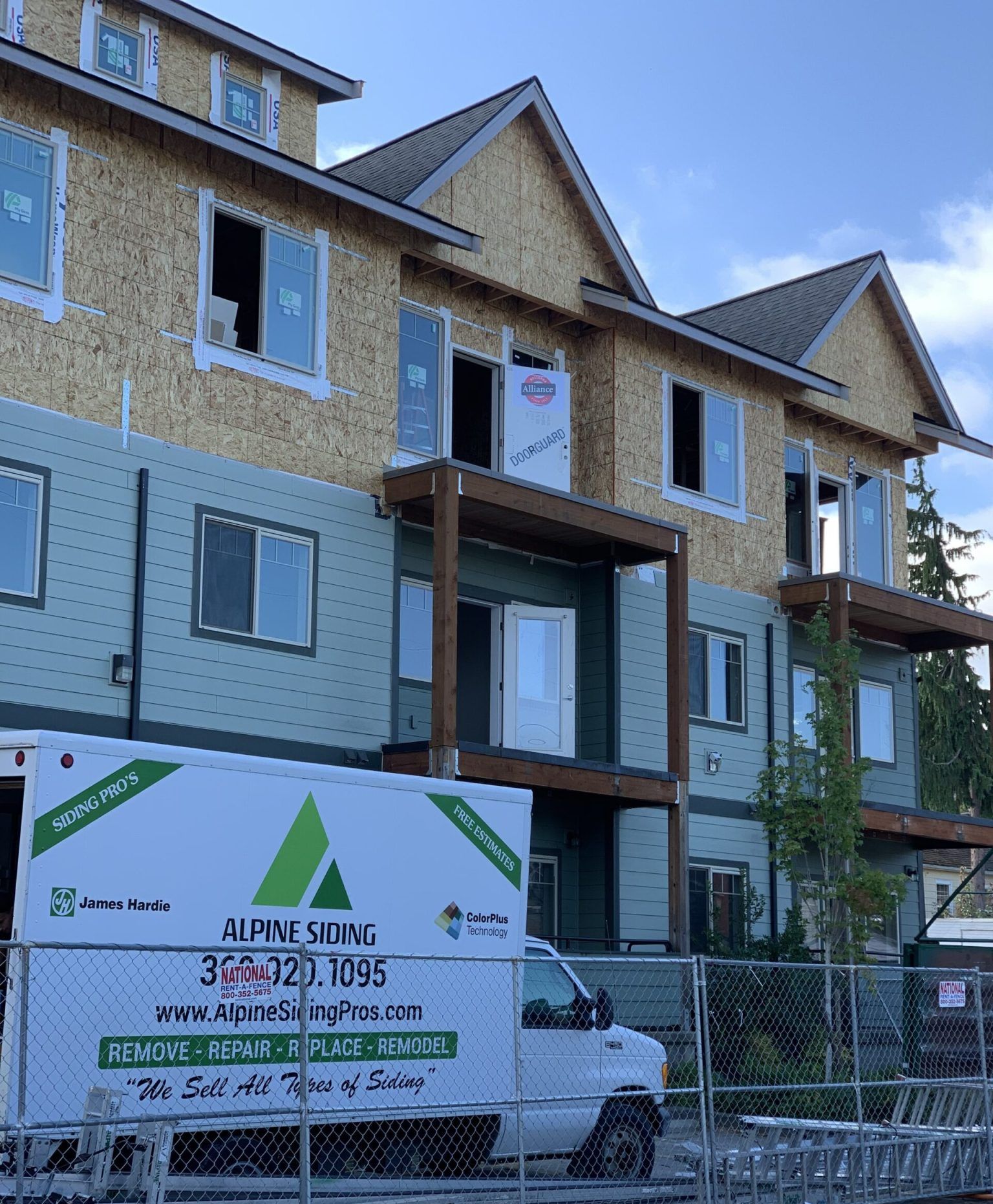
Whatcom County's siding conditions aren't extreme, but they're persistent, and that changes what "doing it right" means here compared to a drier climate.
None of this is hurricane-country engineering. There's no wind-mitigation form or storm-rated fastening schedule to worry about the way there would be in a coastal hurricane zone. Whatcom County's siding challenges are about chronic moisture and the occasional hard freeze, and the fixes are about sequencing, flashing, and material choice rather than structural wind resistance.
If you're weighing a winter siding project, the decision isn't really "can it be done," it's "is my contractor set up to do it well in this season." A few things worth asking or watching for:
Alpine Exteriors approaches winter jobs with this sequencing in mind: smaller open sections, same-day closure, and sealants matched to the actual temperature on site rather than a generic spec sheet. It's slower than a July job, and that's the honest tradeoff of building through a wet season instead of waiting for one dry month a year.
Not inherently. Material and labor costs don't change because of the season, and most contractors price by scope and square footage rather than time of year. What can add cost is if tear-off reveals rot or sheathing damage that needs repair before new siding goes on, which is somewhat more common to uncover in winter simply because more jobs happening in wet conditions bring hidden moisture problems to light. Expect a wide range depending on material, home size, and how much of the wall needs repair rather than a single flat number.
Properly installed vinyl and fiber cement siding perform the same over their lifespan whether they were installed in January or July. What matters for long-term performance is installation quality, meaning correct flashing, proper overlap, fasteners driven correctly, and sealants applied within their rated temperature range, not the season the work happened in. Cold weather affects installation logistics more than it affects the finished product's durability.
Not necessarily. Waiting can make sense if you'd rather have a simpler, faster job with fewer weather delays, but it doesn't eliminate risk if the current siding already has active leaks or visible rot, since those problems keep progressing through another wet season while you wait. In many cases addressing damaged siding sooner, even in winter, prevents more extensive rot repair by the time summer scheduling opens up.
Somewhat. Areas at higher elevation or further from the moderating effect of the water, including Sudden Valley and parts of the county's foothills, see more overnight freezes and occasional snow than lowland Bellingham or the coastline near Blaine and Birch Bay. Crews working those areas time sealant and adhesive application for the warmer part of the day and may pause work during an active freeze or snowfall, which can affect scheduling more than it affects the eventual quality of the finished siding.
If you're dealing with visible rot, failing caulk joints, or siding that's past its useful life anywhere from Bellingham and Ferndale to Lynden, Blaine, Birch Bay, or the islands, waiting for a specific season isn't necessary. Alpine Exteriors, WA contractor license ALPINI751OW, schedules siding work through the winter with the sequencing and weather planning described above, and can walk your property to give you a straightforward assessment of what your walls actually need before committing to a timeline.