
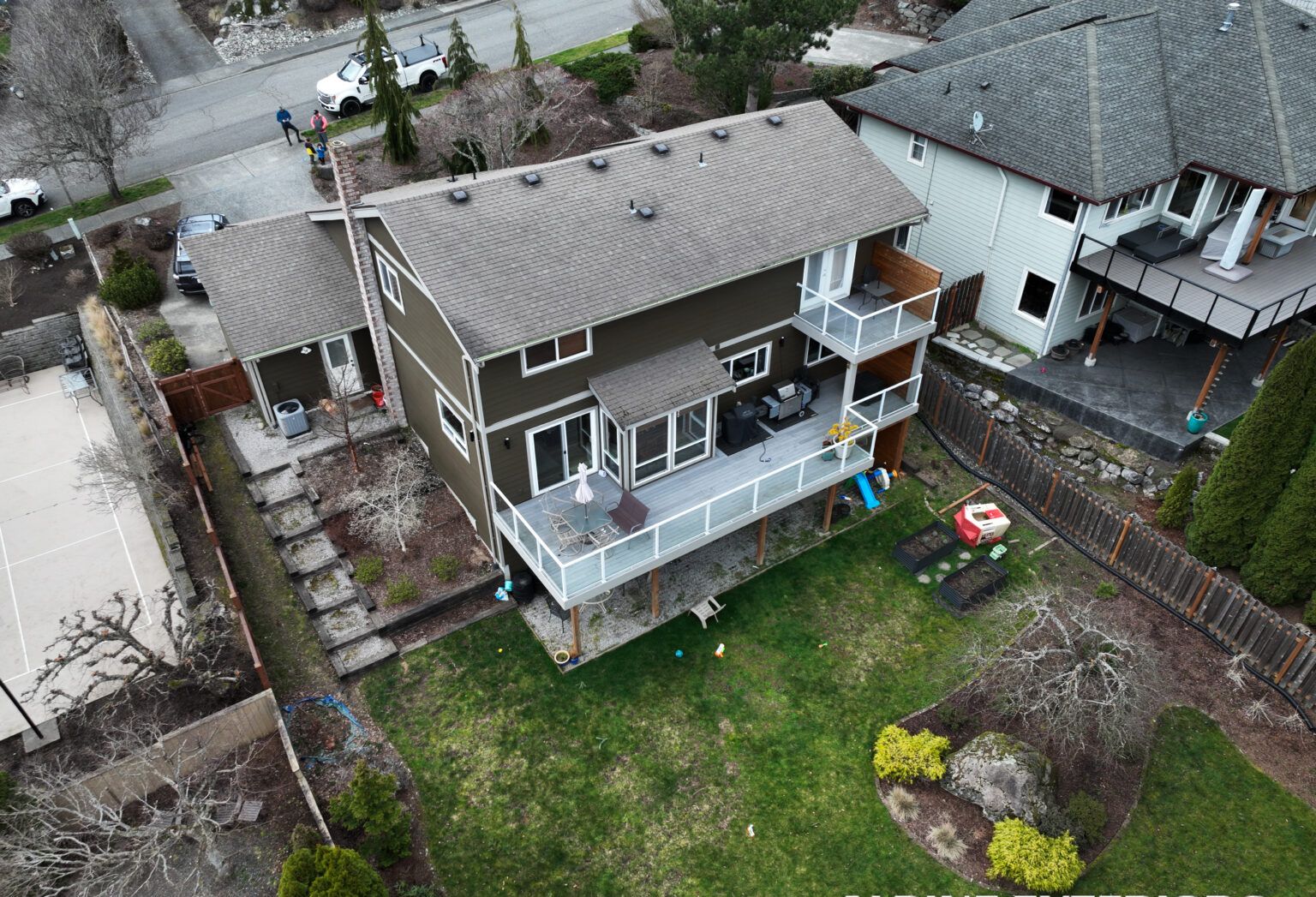
In Barkley Village, siding permits are issued by the City of Bellingham, not Whatcom County, because Barkley Village sits inside city limits off James Street near Interstate 5. A permit is triggered any time siding work opens up the wall assembly across a meaningful portion of a building's exterior — small spot repairs usually don't need one, but a full re-side, a partial re-side involving multiple walls, or any siding work tied to a larger remodel almost always does.
Bellingham's Permit Services Center reviews residential exterior work against the International Residential Code as adopted and amended by Washington State, and against the Washington State Energy Code for anything that qualifies as an alteration to the building envelope. The distinction that trips people up is the difference between "repair" and "alteration." Replacing a few damaged boards or patching a section that took wind damage is typically treated as maintenance and doesn't require city sign-off. Once a project removes siding from an entire wall, multiple walls, or a large enough share of the building's exterior to expose the water-resistive barrier and sheathing underneath, the city treats it as an alteration — and alterations that affect the building envelope are where the Energy Code gets involved, because re-siding is one of the few times a wall assembly is actually opened up and the insulation and air-sealing behind it can be inspected or upgraded.
For a straightforward single-family residential re-side, the permit process generally looks like this: submit an application, pay a fee scaled to the estimated job value, and wait for plan review if the scope includes structural changes, window or door relocation, or anything beyond a like-for-like re-side. Once permitted, the work gets at least one field inspection — most commonly a weather-resistive barrier inspection before the new siding covers the wall — and a final inspection when the job is complete. For commercial or mixed-use buildings, which Barkley Village has plenty of, the review runs against the International Building Code instead of the residential code, and the process tends to take longer because commercial plan review is a different track with different staff.
One detail worth knowing up front: the City of Bellingham's own permit staff, not a contractor, makes the final call on whether a specific project needs a permit. Contractors can tell a homeowner what's likely required based on scope, but when the scope is borderline — say, re-siding two of four walls, or re-siding combined with new exterior insulation — it's worth a phone call to the Permit Services Center before work starts rather than assuming.
Barkley Village is a planned mixed-use development, not a standard residential subdivision, and that changes the permitting picture in a way that doesn't show up in most generic guides. Property here — whether it's a condo building, a townhome cluster, or one of the commercial storefronts along the retail core — typically sits under both the city's building permit requirements and Barkley Village's own design standards, which are administered separately from the city process. That means a siding project can be fully permittable under the city's rules and still need sign-off from the development's design review before a contractor can start, particularly if the new siding changes color, material, or profile from what's shown on the original approved elevations. Skipping that second step is a common way projects stall out even after the city permit is in hand.
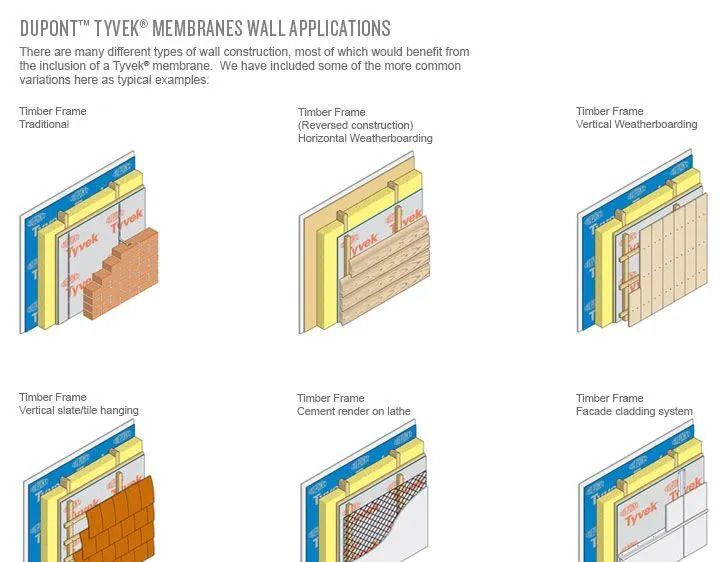
The bigger driver behind why the Energy Code and the weather-resistive barrier inspection matter so much here is the climate. Whatcom County gets sustained, driving rain for long stretches of the year, and Barkley Village's location east of downtown Bellingham still catches wind-driven rain funneled off Bellingham Bay and the Strait of Georgia during winter storms. That kind of exposure punishes any gap in the weather-resistive barrier or flashing detail — water finds the seam eventually. It's also why moss and algae staining show up so often on north- and west-facing walls shaded by mature Douglas fir and cedar, and why a lot of re-side jobs in this area turn up wood rot in the sheathing once the old siding comes off, especially around window trim, deck ledgers, and anywhere the original weather barrier was installed poorly or has simply failed after decades of exposure. That's part of why the permit and inspection process exists in the first place: the inspection is the one point in the project where an inspector — or an experienced contractor — can actually see the sheathing condition and correct problems before they're sealed behind new siding for another twenty years.
Freeze-thaw cycling is less of a factor right in Barkley Village than it is up toward Lake Whatcom, Sudden Valley, or the higher foothill neighborhoods, but it still matters for the broader Whatcom County market Alpine Exteriors serves, and it's part of why the Washington State Energy Code pushes toward continuous exterior insulation and careful air-sealing details rather than the bare minimum. A wall assembly that manages moisture well in Bellingham's rain and wind exposure is also a wall assembly that holds up better anywhere temperatures swing near freezing overnight.
Start by defining the actual scope before contacting anyone. "Replace siding on the back wall where the deck leaked" is a different conversation with the city than "full re-side of the building." Write down which walls are affected, whether any window or door openings are being resized or relocated, and whether insulation is being added or upgraded at the same time — all of that determines whether the project is a repair or an alteration in the city's eyes.
Alpine Exteriors handles the permit and inspection coordination on the siding projects it takes on in Barkley Village and the rest of Whatcom County, working from the city's requirements rather than treating the permit as an afterthought. That said, a permit and an inspection are not a guarantee of a perfect installation — they're a baseline check, and the quality of the flashing details, the barrier overlap, and the fastening schedule underneath the visible siding still comes down to the crew doing the work.
Usually not. Repairing or replacing a limited area of damaged siding — a few boards, a section behind a downspout, storm damage to one spot — is typically treated as maintenance rather than an alteration and doesn't trigger a permit in most cases. The line moves once the repair grows to cover most or all of a wall, or once it starts to affect window trim, flashing, or the weather-resistive barrier underneath; at that point it's worth confirming with the city rather than assuming it's still a minor repair.
A City of Bellingham building inspector conducts the field inspections tied to a permitted siding job — most importantly the weather-resistive barrier inspection before the new siding covers the wall, and a final inspection once the project is complete. The inspector is checking that the barrier is installed and lapped correctly, that flashing at windows, doors, and penetrations is in place, and that the work matches what was permitted. It's a separate step from any private design review Barkley Village itself may require.
Often, yes, though it depends on the specific property. Barkley Village is a planned mixed-use development with its own design standards for building exteriors, administered separately from the City of Bellingham's permit process. A city permit covers code compliance and safety; it doesn't automatically cover whether a new siding color or material matches what the development's design review expects. It's worth checking both before ordering materials.
For a straightforward single-family or townhome re-side with no structural changes, permit issuance can move fairly quickly once the application is complete, though timelines shift with how busy the Permit Services Center is at a given time of year. Projects that involve structural work, window relocation, or commercial buildings under the International Building Code take longer because they go through fuller plan review. Building in a few extra weeks of lead time before a planned start date is a reasonable way to avoid surprises.
If you're planning a siding project in Barkley Village or anywhere else in Whatcom County — Bellingham, Ferndale, Lynden, Blaine, Birch Bay, Sudden Valley, or the islands — Alpine Exteriors can walk the scope, confirm what the City of Bellingham will require, and coordinate the permit and inspections as part of the job. Alpine Exteriors holds Washington contractor license ALPINI751OW and works these permit and inspection requirements regularly across the county's mix of city and county jurisdictions. Reach out for a walk-through and a straight answer on what your specific project will need before committing to a contract.