
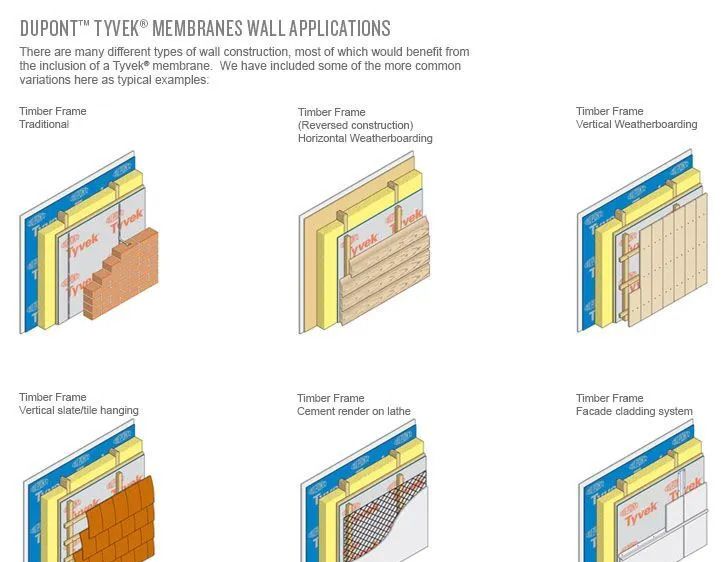
A Fairhaven historic home needs siding chosen to match its original architecture, installed with modern moisture protection, and — in most cases — cleared through Bellingham's historic district design review before work starts. Skip either step and you risk a rejected permit, a mismatched facade, or new siding that traps the same moisture problems the old siding had.
That's the short version. The rest of this comes down to which siding material fits both the house and the district, and how it gets detailed against the water that Fairhaven sees more of than almost anywhere else in Whatcom County.
Fairhaven's housing stock is mostly late-1800s and early-1900s wood-frame construction — clapboard, drop siding, and cedar shingle detailing that predates plywood sheathing and modern house wrap. Many of these homes were built before anyone thought about a continuous water-resistive barrier, so the original siding was often the only thing standing between the framing and the weather. Decades later, that framing has usually seen at least some moisture intrusion, and a residing project is frequently the first real chance to fix it properly instead of just covering it up.
Because Fairhaven sits inside Bellingham's designated historic district, exterior changes visible from the street typically go through the city's historic preservation review process before a building permit is issued. That review generally cares about three things: the siding profile (lap width, shingle exposure, corner detailing), the material's visual match to the period, and whether trim, window casings, and cornice details are preserved or replicated. A vinyl siding swap that would be routine three blocks away in a non-historic Bellingham neighborhood can require a documented material justification in Fairhaven, and in some cases isn't approved at all for street-facing elevations. Fiber cement and real or engineered wood siding, milled to match the home's original lap or shingle pattern, tend to clear review more predictably than vinyl.
Underneath the visible material, the actual performance work happens: removing siding down to the sheathing (or open studs, on the oldest homes), inspecting for rot, correcting flashing at windows, doors, and the foundation line, and installing a modern water-resistive barrier before anything new goes back on. This is also where Washington State Energy Code compliance gets addressed — when an exterior wall is opened up for residing, it's a natural point to bring the wall assembly's insulation closer to current code requirements, since adding continuous insulation or improving cavity insulation is far cheaper while the wall is already open than it will ever be again.
Fairhaven sits right above Bellingham Bay, and that proximity to open water changes how siding fails here compared to inland Whatcom County. A few things matter specifically:
Start with the district, not the material. Before picking a siding product, find out whether your specific lot falls inside Bellingham's Fairhaven historic district boundary and what its design review process requires for exterior work — this determines your options more than personal preference does. A contractor who has pulled permits in the district before can usually tell you quickly whether a proposed material and profile is likely to clear review, which saves weeks of back-and-forth.
Next, plan for what's under the old siding, not just what goes on top of it. Because these homes are old enough that hidden rot and missing moisture barriers are common rather than rare, budget and schedule some flexibility for sheathing repair, corner board replacement, and flashing correction once the old siding comes off. A residing quote that assumes a clean substrate underneath is optimistic on a house this age — a realistic bid accounts for at least some structural repair as a likely add, not a surprise.
Weigh material honestly. Fiber cement holds paint well, resists moss better than untreated wood, and generally satisfies historic review when milled to the right profile, but it's heavier to install and doesn't take field modification as easily as wood. Cedar siding matches original Fairhaven architecture most naturally and can be the right call on a strict historic-review lot, but it needs a maintenance commitment — periodic refinishing and attention to moss — that not every owner wants to keep up with. Vinyl is the least expensive option and the lowest-maintenance, but it's also the option most likely to run into resistance in design review and the least authentic match for a Victorian-era facade; it's a reasonable choice on non-street-facing walls or homes outside the strict review boundary, less so on a prominent corner lot.
Finally, get the water management right even if it costs more up front. On a house exposed to wind-driven rain off the Bay, the flashing at window heads, the water-resistive barrier behind the siding, and the drainage gap (where the chosen material allows one) matter more to long-term performance than the siding brand. Alpine Exteriors, WA contractor license ALPINI751OW, treats that detailing as the actual scope of a residing job in Fairhaven — the visible siding is what passes design review, but the flashing and barrier work underneath is what keeps the house dry for the next few decades.
Not necessarily — it depends on whether the property falls inside Bellingham's designated Fairhaven historic district boundary and whether the work is visible from a public street. Some homes near but not inside the formal district may only need a standard building permit, so it's worth confirming your parcel's status with the city before assuming full design review applies.
Sometimes, but it's the material most likely to face pushback in design review, particularly on street-facing elevations of a prominent Victorian or Craftsman-era house. Vinyl is more often approved on rear or side walls not visible from the public right-of-way, or on homes near the district's edge that fall outside strict review.
Soft spots when you press on siding or trim, dark staining around window and door edges, and any bulging or separation at horizontal joints are the usual visible signs, but a lot of rot in homes this age isn't visible until the old siding is actually removed. Any residing bid on a pre-1920s Fairhaven home should assume some hidden repair is likely rather than promise a clean substrate.
When an exterior wall is opened up for new siding, it's common practice — and often required — to bring the wall's insulation closer to current Washington State Energy Code targets while the cavity is accessible, since retrofitting insulation later without opening the wall again is far more difficult. Your contractor can walk through what applies to your specific wall assembly and scope of work.
Every Fairhaven residing project is a little different once the old siding comes off, and that's exactly why a walk-through beats a phone estimate. Alpine Exteriors has worked through Bellingham's historic district process and knows how to detail siding against wind-driven rain off the Bay without fighting the house's original character. If you're weighing your options for a historic home in Fairhaven, Sudden Valley, Lynden, or anywhere else in Whatcom County, contact Alpine Exteriors (WA license ALPINI751OW) for an on-site assessment before you commit to a material or a permit filing.