
In most of Whatcom County, straightforward siding replacement — same siding type, same wall footprint, no structural changes — does not require a separate building permit. The moment the job involves replacing sheathing, altering window or door openings, changing the water-resistive barrier system, or adding continuous insulation to meet current energy code, it almost always does.
That distinction matters more here than it would in a drier climate, because Whatcom County's rain load means a lot of "simple" re-siding jobs stop being simple once the old siding comes off. Alpine Exteriors sees this constantly on older homes in the York, Eldridge, and Sehome neighborhoods near downtown Bellingham: what starts as a cosmetic siding swap turns into sheathing repair once the crew finds soft plywood or rotted studs behind the old cedar or hardboard panels.
Jurisdiction is the first thing to sort out, and it isn't always obvious from a Bellingham mailing address. Homes inside Bellingham's official city limits — including most of downtown, Fairhaven, the Columbia neighborhood, and areas annexed over the years — fall under the City of Bellingham Permit Center. Homes in unincorporated Whatcom County, including Sudden Valley, Birch Bay, much of the area around Lynden and Blaine outside city cores, and the islands, fall under Whatcom County Planning and Development Services. A property can sit a few blocks from a city boundary and be in a completely different permitting queue, so confirming jurisdiction before assuming a project is permit-free (or before assuming it isn't) saves real time.
| Location | Permit Authority | Typical Contact Point |
|---|---|---|
| Downtown Bellingham, Fairhaven, Columbia, most of the city core | City of Bellingham Permit Center | City Hall permit counter / online portal |
| Sudden Valley, Birch Bay, unincorporated areas near Lynden and Blaine, the islands | Whatcom County Planning & Development Services | County permit counter / online portal |
| Ferndale, Lynden, Blaine city limits | Respective city building department | City hall for that municipality |
Common permit triggers for a siding project include: removing and replacing structural wall sheathing rather than siding alone; altering or adding weather-resistive barrier and flashing details around windows and doors as part of the tear-off; adding rigid foam or other continuous insulation to the wall assembly, which typically also brings the project under Washington State Energy Code compliance review; and any work that changes the building's structural framing, such as widening an opening or repairing storm or rot damage to studs. A pure like-for-like panel swap on sound sheathing, by contrast, often doesn't need a permit — but "sound sheathing" is a determination made once the old siding is off, not before.
Inspections, when a permit is required, generally happen in at least two stages: a sheathing and weather-resistive barrier inspection before the new siding covers everything up, and a final inspection once the job is complete. The mid-project inspection is the one homeowners most often get caught off guard by, because it means scheduling an inspector visit and waiting for approval before the crew can close the wall back up — during Bellingham's rainy season, that gap is not something you want to leave exposed for long.
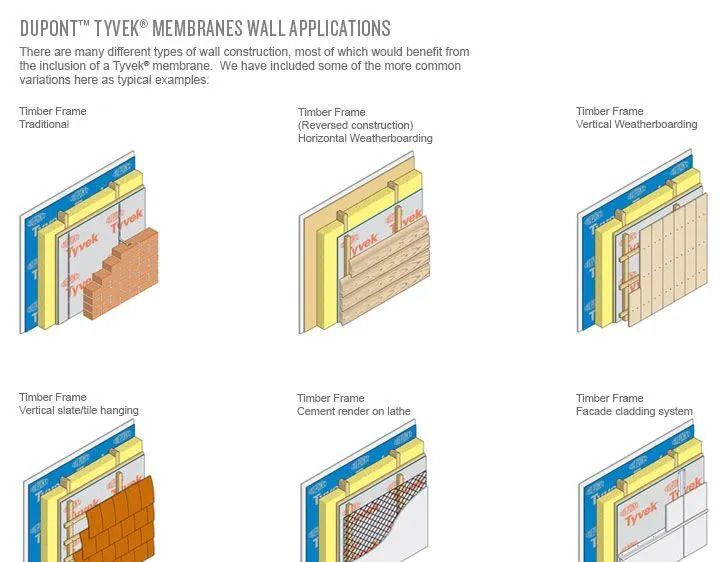
Whatcom County's siding permit questions are shaped by the same weather that shapes everything else about building here. Wind-driven rain coming off Bellingham Bay and the Strait of Georgia pushes moisture sideways into wall assemblies in a way that flat, still rain doesn't, which is part of why inspectors and code officials pay close attention to weather-resistive barrier laps, window flashing sequencing, and rainscreen gaps behind siding on exposed elevations, particularly west- and south-facing walls in downtown and waterfront-adjacent areas.
Persistent rain and long stretches of overcast, humid weather also feed moss and algae growth on siding, especially on north-facing walls and anywhere tree cover keeps a wall shaded and damp — common in the tree-lined residential streets around downtown Bellingham and out toward Sudden Valley. That growth isn't just cosmetic; trapped moisture behind moss-covered or algae-covered siding is one of the more frequent causes of the wood rot Alpine Exteriors finds during tear-offs on older homes, and rot discovery is exactly the kind of surprise that can convert a permit-free cosmetic job into a permit-required structural repair mid-project.
Up toward the foothills — around Lake Whatcom, Sudden Valley, and the areas closer to the Mount Baker corridor — freeze-thaw cycling adds another variable. Water that gets into a wall assembly and then freezes and thaws repeatedly through the winter can widen cracks in caulking, siding joints, and trim faster than in the milder marine-influenced zones closer to the water. It's a real consideration for fastener choice and joint detailing on foothill properties, even though it's a less dominant factor than it would be further inland or at higher elevation.
Finally, the Washington State Energy Code is a genuine factor in whether a siding job needs a permit, not just a box to check. If a re-siding project adds continuous insulation to help a wall assembly meet current energy code prescriptive or performance paths, that upgrade typically needs to be documented and inspected as part of the permit, because it changes the thermal and moisture performance of the wall. Homeowners doing a straight material swap without adding insulation usually don't trigger this, but anyone re-siding an older, poorly insulated home should ask their contractor whether the energy code applies to their scope of work.
Start by confirming jurisdiction. A quick call or online parcel lookup through either the City of Bellingham Permit Center or Whatcom County Planning and Development Services will tell you which department has authority over your address — don't assume based on your ZIP code or mailing address alone, especially near annexation boundaries.
Next, talk through scope honestly with your contractor before work starts. Ask directly: is this a like-for-like siding swap, or are we likely to find and need to address sheathing damage, rotted framing, or outdated flashing once the old siding is off? On homes more than a couple of decades old in the rainier parts of the county, budgeting a contingency for sheathing or framing repair is realistic, not pessimistic — Alpine Exteriors builds that expectation into project conversations up front rather than surprising homeowners with it mid-tear-off.
If a permit is required, plan around the inspection timeline rather than against it. That means keeping exposed sheathing weather-protected with taped housewrap or temporary covering while waiting for a sheathing inspection to be scheduled and passed, particularly during the wetter months. It also means building a few extra days of schedule slack into the project rather than assuming the crew can close the wall the same day tear-off finishes.
It's also worth being upfront about the drawbacks of the permit process itself: review queues at both the city and county can add lead time before work even starts, inspections require coordinating a specific window with an inspector's schedule, and a permit fee is an added project cost. None of that is a reason to skip a permit that's actually required — unpermitted structural work can create real problems at resale or with future repairs — but it's fair for homeowners to know it adds time and cost, not just paperwork.
Finally, verify who you're hiring. Confirm the contractor is licensed and bonded in Washington, ask whether they've pulled permits for similar jobs in your specific jurisdiction before, and get the permit determination in writing as part of your project scope. Alpine Exteriors holds Washington contractor license ALPINI751OW and works across both City of Bellingham and Whatcom County jurisdictions, which means the permit conversation happens as part of the estimate, not as an afterthought once the crew is already on the roofline.
No. A straightforward siding swap on sound, undamaged sheathing with no changes to window or door openings, flashing, or insulation typically does not require a separate permit from the City of Bellingham. Once the project involves sheathing replacement, structural repair, added continuous insulation, or altered flashing details, it generally does.
The most reliable way is to check your parcel through the City of Bellingham's or Whatcom County's online permitting or GIS lookup tools, or simply call the relevant permit counter with your address. This matters because the City of Bellingham Permit Center and Whatcom County Planning and Development Services are separate authorities with separate application processes, even for properties that are geographically close together.
When a permit is required, an inspector typically reviews the wall assembly after the old siding is off and the sheathing and weather-resistive barrier are exposed but before the new siding covers everything, checking flashing details, barrier laps, and any structural repairs. A final inspection follows once the siding installation is complete, confirming the finished work matches what was permitted.
Some structures in and around Bellingham's historic districts, including parts of Fairhaven, can be subject to additional design review beyond a standard building permit, particularly if the work is visible from the street or affects a designated historic structure. Homeowners in these areas should check with the City of Bellingham Permit Center early, since design review can add time to the process even when the underlying construction work is routine.
Permit questions are easier to answer before a crew starts pulling siding, not after. Alpine Exteriors, Washington contractor license ALPINI751OW, works with homeowners across downtown Bellingham, Ferndale, Lynden, Blaine, Birch Bay, Sudden Valley, and the islands to sort out jurisdiction, scope, and permit requirements as part of the estimate — so you know what you're committing to before the first panel comes off the wall. If you're planning a siding project and aren't sure whether it needs a permit, reach out to Alpine Exteriors for a straight answer specific to your address and your home's condition.