
Siding on a Lettered Streets home has to meet the wind-load and weather-protection provisions of the Washington State Building Code, which is the International Residential Code as adopted and amended for Washington, plus the water- and air-barrier rules in the Washington State Energy Code. In plain terms: the siding product needs a tested wind-resistance rating that matches the site's exposure, it has to be fastened exactly the way its manufacturer's tested instructions say, and it has to sit over a continuous, correctly lapped weather-resistive barrier with proper flashing at every window, door, and penetration.
None of this is a hurricane wind-zone system. Western Whatcom County doesn't design to hurricane wind speeds, and there's no Florida-style statewide product approval list or wind mitigation form here. What Washington's code cares about is whether a given siding assembly can survive the wind pressures that actually occur on this stretch of the Salish Sea coast, and, just as important, whether it can shed and dry out the wind-driven rain that comes with those winds, year after year, without rotting the wall behind it.
Every incorporated jurisdiction in Whatcom County, including the City of Bellingham, uses a wind speed and exposure category taken from the wind maps referenced in the state building code. A house on the bluff above Bellingham Bay, with open water and few windbreaks to its west, typically sits in a higher exposure category than a similar house a few blocks inland or tucked into a wooded lot in Sudden Valley. That exposure category, combined with the building's height and roof shape, sets the design wind pressure the siding assembly has to resist, and that number is what an inspector, or your contractor's engineer, checks the product's rating against.
Manufacturers document that rating in an ICC-ES evaluation report or through the ASTM test the product was built to, such as ASTM D3679 for vinyl siding, with similar structural and water-penetration testing behind fiber cement and engineered wood panels. The number on the spec sheet is only valid if the product is installed the way it was tested: the fastening schedule, meaning nail or screw spacing, penetration depth, and whether it's face-nailed or blind-nailed, has to match the manufacturer's instructions referenced in that report, not a generic pattern. This is one of the first things a Bellingham building inspector will look for during a siding inspection; fastener spacing that's been opened up to save time or material is a common reason for a correction notice.
Fastener material matters here in a way it doesn't inland. Homes within a few blocks of Bellingham Bay and the Strait of Georgia sit in a salt-air environment, and standard electro-galvanized nails corrode faster in that air than they do twenty miles inland. Code requires corrosion-resistant fasteners for exterior work, and on Lettered Streets homes that means stainless steel or hot-dip galvanized fasteners are the right call even where they're not strictly mandatory. A nail that rusts through in fifteen years leaves the siding above it loose and the wall behind it exposed.
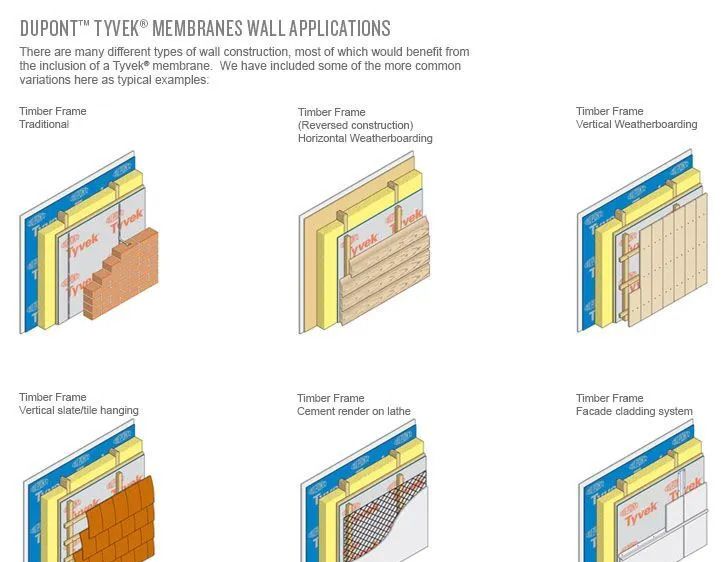
Behind the siding itself, inspectors check the weather-resistive barrier: is it lapped shingle-style so water sheds downward and outward, are the seams taped or sealed, is there flashing, not just caulk, at every window and door, and is there kick-out flashing where a roof plane meets a wall? That last detail is a frequent failure point on older Lettered Streets houses that have had a porch roof, dormer, or addition tacked on over the decades; without kick-out flashing, roof runoff dumps straight down the wall and rots the sheathing behind the siding, invisibly, for years before anyone finds it.
The Lettered Streets neighborhood sits on a bluff overlooking Bellingham Bay, which means wind here often arrives straight off open water with nothing to slow it down or break up the rain riding on it. That wind-driven rain is the real design threat for siding in this neighborhood, not a single catastrophic storm, but decades of rain being pushed sideways into wall assemblies, window trim, and corner boards. A wall detail that would be fine in a calm inland yard can fail here simply because the water pressure against it is higher and more constant.
Much of the Lettered Streets housing stock predates modern building codes by seventy to a hundred years — craftsman bungalows and foursquares with original wood drop siding, multiple layers of old paint, and additions built at different times by different owners. That history matters for a residing project: it usually means finding sheathing that's already been quietly rotting behind a wall for years, corner and window trim that was never properly flashed to begin with, and, in some blocks, a Lettered Streets historic overlay that requires a design review before exterior materials or colors can change — a City of Bellingham planning question, separate from the building code itself, but one that needs to be checked before ordering material.
The persistent rain here also grows moss and algae on siding, especially on north- and east-facing walls shaded by the neighborhood's mature trees. That's a cosmetic and maintenance issue more than a structural one, but it's worth planning for when choosing a finish or paint system. Wood rot is the more serious version of the same underlying problem: any place water gets behind the cladding and can't dry out, whether that's a bad flashing detail, a gap in the weather-resistive barrier, or a fastener hole that was never sealed, becomes a rot site over a few wet Whatcom County winters.
Freeze-thaw cycling is a bigger factor in the foothill communities around Lake Whatcom and Sudden Valley than it is right on the bay bluff, but it still shows up region-wide during the occasional hard cold snap, working on any caulk joint or fastener hole that wasn't sealed correctly. And because the Washington State Energy Code requires a continuous air barrier and specific insulation levels at the wall, a residing project is also an energy-code compliance project; the weather-resistive barrier, the insulation approach, and the siding attachment all have to work together, not just the siding on its own.
Before choosing a product, ask for a site-specific look at wind exposure rather than assuming the cheapest siding rated for a national baseline is adequate for a bluff-top lot above the bay. A contractor familiar with the neighborhood — Alpine Exteriors has worked on a number of Lettered Streets homes — should be able to tell you, without guesswork, whether your lot's exposure calls for anything more than a standard-grade product.
| Material | How it handles wind-driven rain here | Trade-off to know |
|---|---|---|
| Vinyl | Fine when correctly rated and fastened; sheds water well over a proper weather-resistive barrier | Can get brittle in a hard cold snap; harder to match on an older, historic-style house |
| Fiber cement | Holds up well to moisture cycling and resists moss and algae better than bare wood | Heavier, needs correct fastening, plus ongoing painting and caulk maintenance |
| Wood or engineered wood | Matches the original character of Lettered Streets homes | Needs the most consistent maintenance and repainting to avoid rot |
That last point is worth being honest about: nobody can quote a firm final number before the old siding is off a house this age, and any contractor who promises otherwise either hasn't done many Lettered Streets projects or isn't planning to look closely. What a reputable contractor can do is give you a realistic range up front and be clear about what would move the number.
Usually, yes, once the project goes beyond a small like-for-like patch. The City of Bellingham generally requires a permit when sheathing is exposed or replaced, or when a significant portion of the exterior is redone, and homes inside the Lettered Streets historic overlay may also need a separate design review before materials or colors change. Because the exact threshold depends on scope, the right move is to call the City of Bellingham Permit Center with your specific project before ordering material.
No. Washington's building code sets siding wind requirements from the state's own wind speed and exposure maps under the Washington State Building Code, not a hurricane product-approval program, and there's no wind mitigation inspection form here the way there is in hurricane-prone states. The practical concern in Whatcom County is wind-driven rain intrusion and moisture cycling over years of wet winters, not a single storm-force wind event.
No material is immune to it; the weather-resistive barrier, flashing, and rain-screen detailing behind the siding matter more than which product is on the outside. Fiber cement tends to resist moisture and moss better than bare wood with less maintenance than repainting wood siding requires, vinyl is the least expensive option but can get brittle in a hard cold snap and doesn't always suit a historic-style home, and wood or engineered wood siding matches the character of older Lettered Streets houses but needs the most consistent upkeep to avoid rot.
Look for soft or spongy spots when you press on the siding, paint that's bubbling or peeling in patches rather than evenly, dark streaking that's algae rather than dirt, boards that have visibly warped or cupped, and any musty smell near an exterior wall inside the house. Any of those is worth a closer look before the damage spreads further into the wall framing.
Alpine Exteriors is a licensed Washington contractor, ALPINI751OW, serving Bellingham, Ferndale, Lynden, Blaine, Birch Bay, Sudden Valley, and the islands, and we've worked through the specific wind-exposure and historic-overlay questions that Lettered Streets homes raise. If you're planning a residing project, we'll walk the house with you, look at what's actually happening behind the current siding where we can, and put together a plan, and a realistic cost range, before any material gets ordered. Reach out to schedule a site visit.