
If your home is in South Hill, permits for siding work come from the City of Bellingham Permit Center, not Whatcom County — South Hill sits inside city limits, even though it's easy to assume otherwise given how much of the surrounding county is unincorporated. Whether you actually need one depends on the scope: a straightforward re-side over intact sheathing is often exempt, but anything that touches the wall assembly, structure, or a meaningful share of the exterior usually isn't.
Washington follows the International Residential Code with state amendments, and Bellingham enforces it locally through its own building division. Cosmetic and minor repair work — patching a damaged section of lap siding, replacing a few boards, recaulking trim — generally falls under routine maintenance and doesn't require a permit. The line gets crossed once the job stops being cosmetic. Common triggers include:
A permit isn't paperwork for its own sake. It puts a set of eyes on the wall assembly before it gets buried under new siding for another 30 or 40 years — which matters more here than it does in drier climates, for reasons covered below.
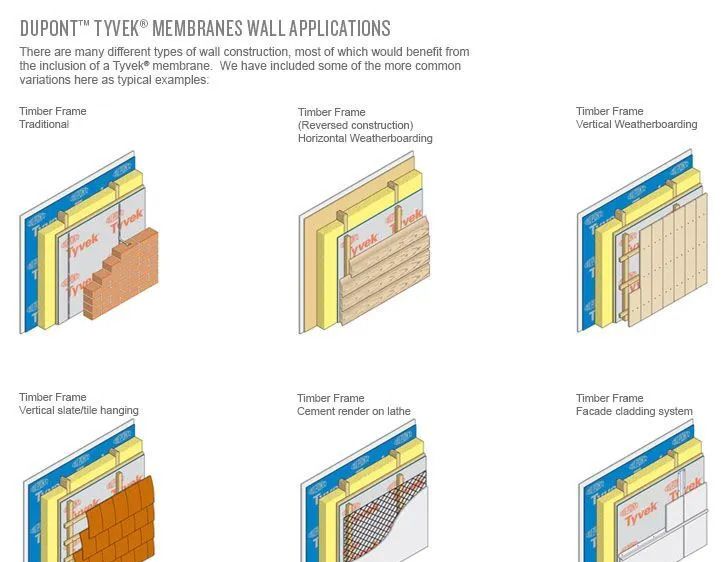
Whatcom County's siding problems are, almost without exception, moisture problems. South Hill homes take wind-driven rain off Bellingham Bay and the Strait of Georgia for months at a time, and older houses in this neighborhood — a lot of it built in the early 1900s through the mid-century — were sided and wrapped with materials and techniques that predate modern weather-resistive barrier standards. When that older siding comes off, it's common to find sheathing that's soft, delaminated, or stained from years of slow-leaking flashing, plus moss and algae growth that's worked its way into seams and butt joints. None of that is visible from the street, which is exactly why the sheathing inspection step in the permit process matters — it catches rot before it gets sealed behind new siding.
Freeze-thaw cycling is less severe here than it is up in the foothills toward Mount Baker, but South Hill still sees enough of it in a cold snap to widen existing cracks in caulk and trim, giving water one more way in. Combine that with the persistent rain and the region's humidity, and a wall that isn't properly vented and flashed behind the new siding can trap moisture instead of shedding it — which is a slower, quieter failure than a leak, but a more expensive one to fix once it's found.
Historic character is the other regional wrinkle. South Hill has a concentration of older homes near Western Washington University, and while most re-siding jobs don't trigger design review, homes within a designated historic district or on Bellingham's historic register can have additional review requirements around exterior appearance, trim profiles, and materials. It's worth checking your address against the city's historic overlay before assuming a standard permit path applies.
Start by confirming your address is inside Bellingham city limits — South Hill homeowners sometimes assume Whatcom County handles this because the county name is more familiar, but the city's Permit Center is the correct point of contact for anything within the city boundary. From there, a few practical steps:
Alpine Exteriors pulls permits on jobs that require them and works directly with the City of Bellingham Permit Center on scheduling inspections, so this isn't something a homeowner in South Hill needs to navigate alone. We hold Washington contractor license ALPINI751OW, and we'd rather walk a customer through what a job actually requires than let a permit question turn into a surprise mid-project.
No. A repair or re-side that leaves the sheathing and wall assembly intact often doesn't trigger a permit under Bellingham's building code. It's the work that opens up the wall — replacing sheathing, changing insulation, or exposing framing — that typically does. The safest approach is to ask the city or your contractor before assuming either way.
Because South Hill is inside Bellingham's city limits, it's the City of Bellingham Permit Center that handles siding permits for this neighborhood, not Whatcom County's permitting office. That surprises some homeowners, since "Whatcom County" is often used loosely to describe the whole area. If you're near the city boundary and unsure which jurisdiction you're in, the city's permit staff can confirm it quickly.
Once the old siding is off and before the new material goes on, an inspector (or your contractor, on non-permitted jobs where it's still good practice) is looking at the condition of the sheathing, the state of the weather-resistive barrier, evidence of past water intrusion or rot, and correct flashing at windows, doors, and penetrations. In a region with as much sustained rain as South Hill gets, this step is what actually prevents the next round of hidden rot rather than just covering it up.
It depends on the scope of work — a straightforward siding replacement over an intact wall generally doesn't trigger a full energy code upgrade, but if the project involves removing sheathing or adding continuous insulation as part of the plan, the Washington State Energy Code's requirements for exterior walls can come into play. This is worth discussing with your contractor early, since it affects both the permit scope and the materials list.
If you're planning siding work on a South Hill home and aren't sure whether it needs a permit, that's a reasonable question to ask before signing a contract, not after. Alpine Exteriors can look at your project, tell you honestly what the City of Bellingham is likely to require, and handle the permit and inspection process if one applies. Reach out for a walkthrough and a straightforward assessment of what your home actually needs.