
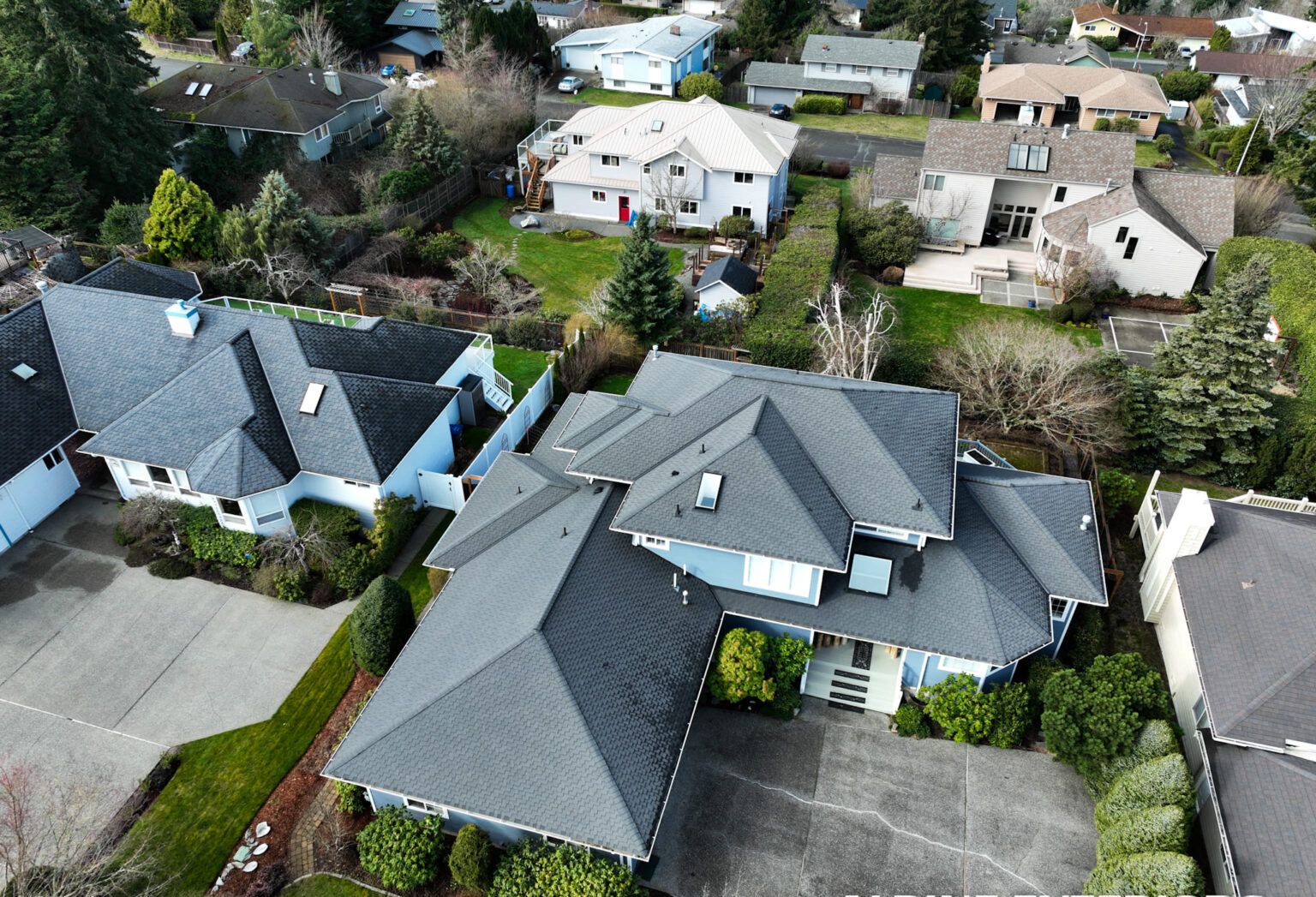
When people in Bellingham, Ferndale, Lynden, Blaine, Birch Bay, Sudden Valley, or on Lummi Island or Orcas Island call about a siding inspection, they're usually talking about one of two things: a pre-project assessment where a contractor evaluates the existing siding before quoting a re-side or repair, or a code-required inspection tied to a permitted job that's already underway. Both matter, and both look different depending on the age of the house, the exposure of the walls, and how much water Whatcom County's marine climate has been able to work into the assembly over the years.
A typical pre-project assessment runs sixty to ninety minutes on site for an average single-family home, longer if there's a detached shop, a second story with steep gable ends, or multiple siding types layered on top of each other, which is common on older Bellingham homes that have been re-sided once or twice already. Alpine Exteriors usually turns around a written summary of findings within a few business days, not on the spot, because moisture readings and photos need to be reviewed together rather than called out verbally while standing on a ladder. If the inspection leads to a full re-side, the code-required inspections that follow — sheathing and weather-resistive barrier, then final — are scheduled through the local building department once the permit is issued, and those typically add a day or more of waiting between stages depending on inspector availability that time of year.
A few things need to be settled before any siding work begins, and they affect the timeline more than most homeowners expect:
None of this is unique to Alpine Exteriors — it's how the regional supply chain and permitting process work — but it's worth planning around, especially for a project someone hopes to finish before the wet season sets in.
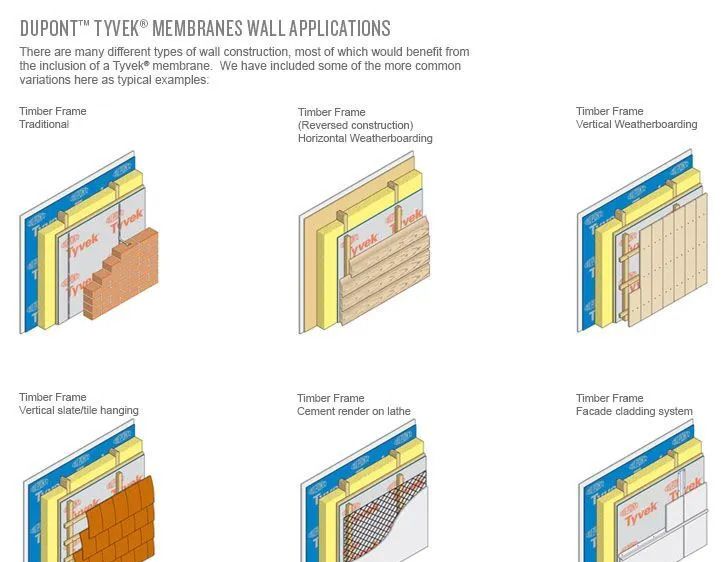
The inspection itself follows a fairly consistent order, adjusted for what the house actually shows.
First is the exterior walkaround, looking at every elevation, not just the ones visible from the street. North- and west-facing walls in this region tend to show more moss and algae staining because they get less direct sun to dry out between rain events, and that staining is noted separately from actual damage, since the two aren't the same thing.
Second is moisture testing at the trouble spots that consistently cause problems here: window and door trim, deck ledger connections, lower courses near grade, and anywhere two roof planes dump water onto a wall below. A moisture meter gets used at these points rather than relying on visual inspection alone, because wood rot under fiber cement or behind vinyl can be advanced before it ever shows on the surface.
Third is a check of flashing and water management details — head flashing above windows, kick-out flashing at roof-to-wall intersections, and how the existing siding was lapped and caulked. Wind-driven rain off Bellingham Bay and the Strait during fall and winter storms finds any gap in this system eventually, so it's a focus point regardless of how the siding itself looks.
Fourth, on homes where sheathing or the weather-resistive barrier is exposed or accessible — say, during a re-side rather than a cosmetic inspection — the assembly gets checked against Washington State Energy Code requirements for continuous insulation and air sealing, since older homes built before recent code cycles often don't meet current envelope performance, which matters if insulation or sheathing is part of the scope.
Fifth, everything gets documented with photos and, where relevant, moisture readings logged by location, so the written report isn't just a summary but something the homeowner can actually reference later.
If the visit is tied to an active permitted project rather than a pre-project assessment, the building department's own inspections happen at defined points: after the weather-resistive barrier and flashing are installed but before siding covers them, and again at final completion. Those are scheduled separately from anything Alpine Exteriors does internally.
A few things make the visit more useful:
None of this is mandatory, but skipping it usually means a second visit or a less complete report.
For the pre-project assessment itself, cleanup is minimal — there's no demolition involved, just the inspection. During an actual installation, daily cleanup matters more given how often it rains here: debris and cut-offs get cleared before weather moves in, not left staged against the house overnight where they can trap moisture against new material. A magnet sweep for stray fasteners happens before the crew leaves the site for good, and any plantings that were protected with tarps or plywood during the work get uncovered at the end.
The final walkthrough covers the same ground as the original inspection, but as a comparison: flashing details reviewed, seams and caulking checked, any punch-list items identified and written down rather than left to memory. If something doesn't match what was scoped — a trim detail, a color match at a patch, a fastener pattern — this is the point to flag it before calling the job finished.
Siding warranties come in two separate pieces that get confused often enough to be worth spelling out. The manufacturer's product warranty covers the material itself — fading, cracking, manufacturing defects — and is handled directly with the manufacturer, with terms that vary by product line. Alpine Exteriors' own workmanship warranty covers the installation — flashing, fastening, water management details — separately from that. Ask for both in writing before work starts, and understand that neither one covers ordinary wear from this region's climate, like moss growth on shaded walls or algae staining, which is a maintenance item, not a defect.
For upkeep, an annual soft rinse to knock back moss and algae before it takes hold, especially on north-facing walls and any areas under tree cover, goes a long way in this climate. Gutters should stay clear so water isn't sheeting down a wall it wasn't meant to hit. Homes up toward the foothills that see more freeze-thaw cycling through the winter are also worth a look each spring, since repeated freezing and thawing can work at existing gaps or caulk lines faster than people expect.
A pre-project assessment on a typical single-family home usually takes sixty to ninety minutes on site, with a written report following a few days later. Larger homes, multiple stories, or houses with layered siding history can take longer, and inspections tied to an active permitted job are scheduled separately around the building department's own timeline.
A thorough inspection combined with moisture meter readings catches most trouble spots, but it can't guarantee every hidden issue is visible without opening up the wall assembly. Some rot only becomes fully clear once old siding is removed during an actual re-side, which is why an inspection report is treated as a strong starting point rather than an absolute guarantee.
No — the inspection or assessment itself doesn't require a permit. A permit becomes relevant once actual siding replacement or repair work is scheduled, and requirements depend on the specific jurisdiction, whether that's the City of Bellingham, Whatcom County, or one of the smaller city departments.
Moss and algae staining is a surface condition caused by shade and moisture sitting on a wall that doesn't dry out quickly, and it's common on north- and west-facing elevations throughout Whatcom County. Actual damage — soft or delaminating material, wood rot underneath the siding — is a structural concern found through moisture testing, not just a visual look, and the two get called out separately in an inspection report so a homeowner isn't quoted repair work for something that's only cosmetic.
A siding inspection is a reasonable first step whether the goal is peace of mind on an older home, tracking down the source of a stain or soft spot, or getting ready to plan a re-side before next year's wet season. Alpine Exteriors is a licensed contractor in Washington (license ALPINI751OW) serving Bellingham, Ferndale, Lynden, Blaine, Birch Bay, Sudden Valley, and the surrounding islands, and can walk through what a visit to a specific property would look like.