
Chuckanut sits along the wooded shoulder of Chuckanut Mountain between Fairhaven and the Skagit County line, with homes tucked under fir and cedar canopy and, in many cases, a view down toward Chuckanut Bay and the Strait. That setting is part of why people live there, and it's also exactly why siding fails differently here than it does in a flat, open subdivision. Shade slows drying time after every rain. Tree cover feeds moss and algae. Wind-driven rain off the bay finds its way sideways under poorly lapped boards during winter storms. Alpine Exteriors has replaced siding on enough Chuckanut-area homes to know that the tear-off is often where the real story starts — not the new siding itself, but what's discovered underneath it. This page walks through what a siding replacement actually looks like here, stage by stage, so you know what's coming before crews show up.
For a typical single-family home in the 1,800–3,200 square foot range, a full siding replacement in this area usually runs two to four weeks from the first day of tear-off to final cleanup, assuming a dry weather window and no major structural surprises. That estimate can move in both directions. A straightforward re-side over sound sheathing with a simple roofline can finish faster. A home with steep gables, multiple dormers, or wood rot hiding behind old trim can stretch well past a month once repairs are factored in.
Weather is the biggest variable, and it's not just about rain falling during work hours. Whatcom County's marine climate means humidity stays high even between storms, and homes shaded by second-growth timber — common throughout Chuckanut — dry out slower than an open lot in Ferndale or Lynden. Alpine Exteriors schedules siding work with weather windows in mind and builds in buffer days, because rushing a moisture barrier installation ahead of a rain system is how call-backs happen. Late spring through early fall tends to offer the most workable stretches, though even then, a few rain delays should be expected as normal, not exceptional.
Most of Chuckanut is unincorporated Whatcom County, which means a Whatcom County building permit is typically required whenever siding work involves replacing sheathing, altering the weather-resistive barrier assembly, or touching structural framing — not always for a simple like-for-like siding swap over intact sheathing, but it's worth confirming case by case rather than assuming. Any insulation, vapor retarder, or continuous exterior insulation added during the project needs to meet current Washington State Energy Code requirements, which is one more reason the sheathing inspection matters: it determines what assembly is actually going back on the wall.
If your property is part of a homeowners' association or a platted development with design covenants — several of the newer clusters near Chuckanut Ridge and the Fairhaven Highlands corridor fall into this category — check your covenants before ordering material. Siding color, board profile, and sometimes even manufacturer are subject to architectural review in some of these communities, and approval can take longer than the material lead time itself if it's not started early.
Speaking of lead times: fiber cement siding (James Hardie and similar products) is often special-ordered through a regional distributor and can run three to six weeks out, longer for less common colors or trim profiles. Cedar siding has more local supply through Whatcom and Skagit County mills, but kiln-dried, clear-grade stock for a full re-side still needs to be reserved ahead of the tear-off date. Alpine Exteriors orders material before demolition begins specifically so your home isn't sitting exposed to weather while waiting on a truck.
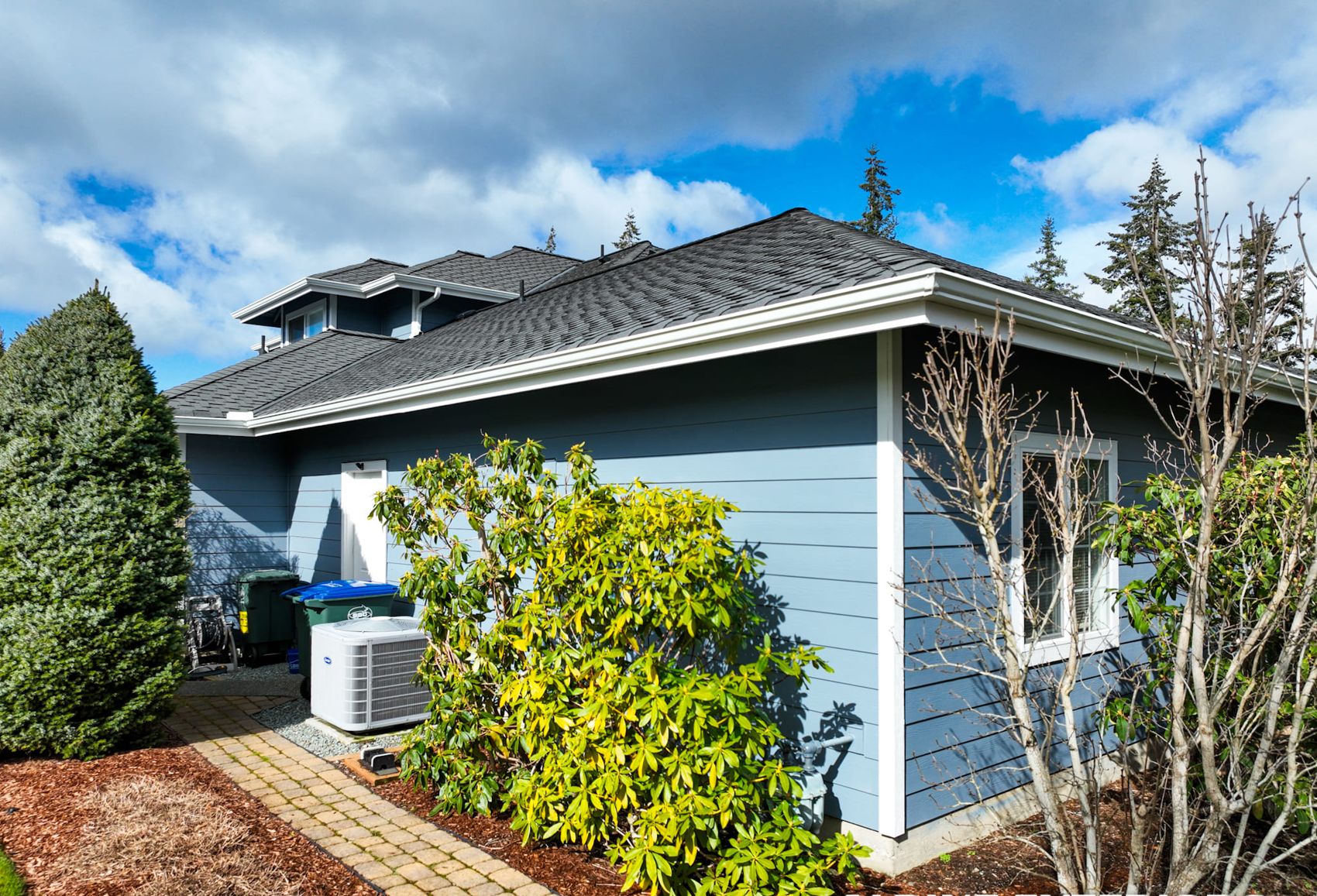
Every project has its own quirks, but a siding replacement in this area generally follows the same sequence:
A little prep on your end keeps the project moving. Clear patio furniture, potted plants, and anything hanging on exterior walls — house numbers, mailboxes mounted to siding, string lights, cameras — before day one. Move vehicles out of the driveway or work zone if access is tight, which is a real consideration on some of the steeper Chuckanut lots where a dumpster or material truck may need a specific turnaround spot. Expect noise, dust, and crew presence around the house for most of the workday; if you have pets that startle easily or young kids who play near the exterior, plan around that.
It's also worth being reachable during the sheathing stage. If rot is found beyond what a visual estimate could predict, Alpine Exteriors will walk you through photos and repair options before proceeding rather than making that call unilaterally — but that means being available for a conversation, sometimes on short notice, while the wall is open.
Where a permit applies, the county typically requires a look at the sheathing and moisture barrier before it's covered, so that inspection has to happen before siding goes back on — this is one more reason rushing the schedule backfires. Once siding, trim, and paint are complete, the crew does a magnet sweep of the yard and driveway for stray fasteners, pulls all protective tarping, and hauls away packaging and cutoffs. Any landscaping that was moved or protected gets put back.
The final walkthrough is your chance to look over caulk lines, trim joints, paint touch-up, and fastener spacing with the crew lead before sign-off. Bring up anything that looks off at this stage — it's far easier to address a missed caulk joint or a scuffed piece of trim while the crew and equipment are still on site than to schedule a separate return visit weeks later.
New siding comes with a manufacturer's material warranty (terms vary by product — fiber cement and cedar have different coverage) plus Alpine Exteriors' workmanship warranty on the installation itself. Keep your paperwork and any product documentation together in case a warranty claim ever comes up.
Given how much moisture, shade, and organic debris this part of Whatcom County deals with year-round, plan on periodic exterior washing to keep moss and algae from taking hold on north-facing and shaded walls — a soft wash on a reasonable schedule does far more good than waiting until growth is visibly established. Keep gutters clear so overflow doesn't run down the siding face, and do a quick annual check of caulk joints around windows and trim, since UV and repeated wet-dry cycles will eventually open small gaps that are cheap to reseal early and more involved to fix once water gets behind the cladding. Alpine Exteriors, WA contractor license ALPINI751OW, is available for that kind of periodic check if you'd rather have a second set of eyes than guess.
Most single-family projects run two to four weeks from tear-off to final walkthrough, but that range depends heavily on weather delays and whether rot repair is needed once the old siding comes off. Homes with more complex rooflines or extensive shaded, damp wall sections tend to land at the longer end of that range.
It's common, especially around window sills, deck ledgers, and any spot where old trim trapped moisture against the wall for years under tree cover. Not every home has it, but Alpine Exteriors builds inspection and potential repair time into the schedule rather than assuming the sheathing underneath is sound.
Fiber cement and properly detailed cedar both perform well here when installed with a correct drainage plane and flashing, since the real risk factor isn't the material itself — it's trapped moisture behind it. The right choice depends on your home's exposure, budget, and any HOA or design covenant requirements that apply to your specific development.
You don't need to be on site all day, but you should be reachable, particularly during the tear-off and sheathing inspection stage, in case hidden damage is found and a decision on repair scope is needed before the crew can move forward.
If you're weighing a siding replacement on a Chuckanut-area home, Alpine Exteriors can walk your property, look at what's driving in the exposure, and put together a realistic scope and timeline before any material gets ordered. Contact Alpine Exteriors to schedule a walkthrough and get a straight answer on what your home's siding actually needs.