
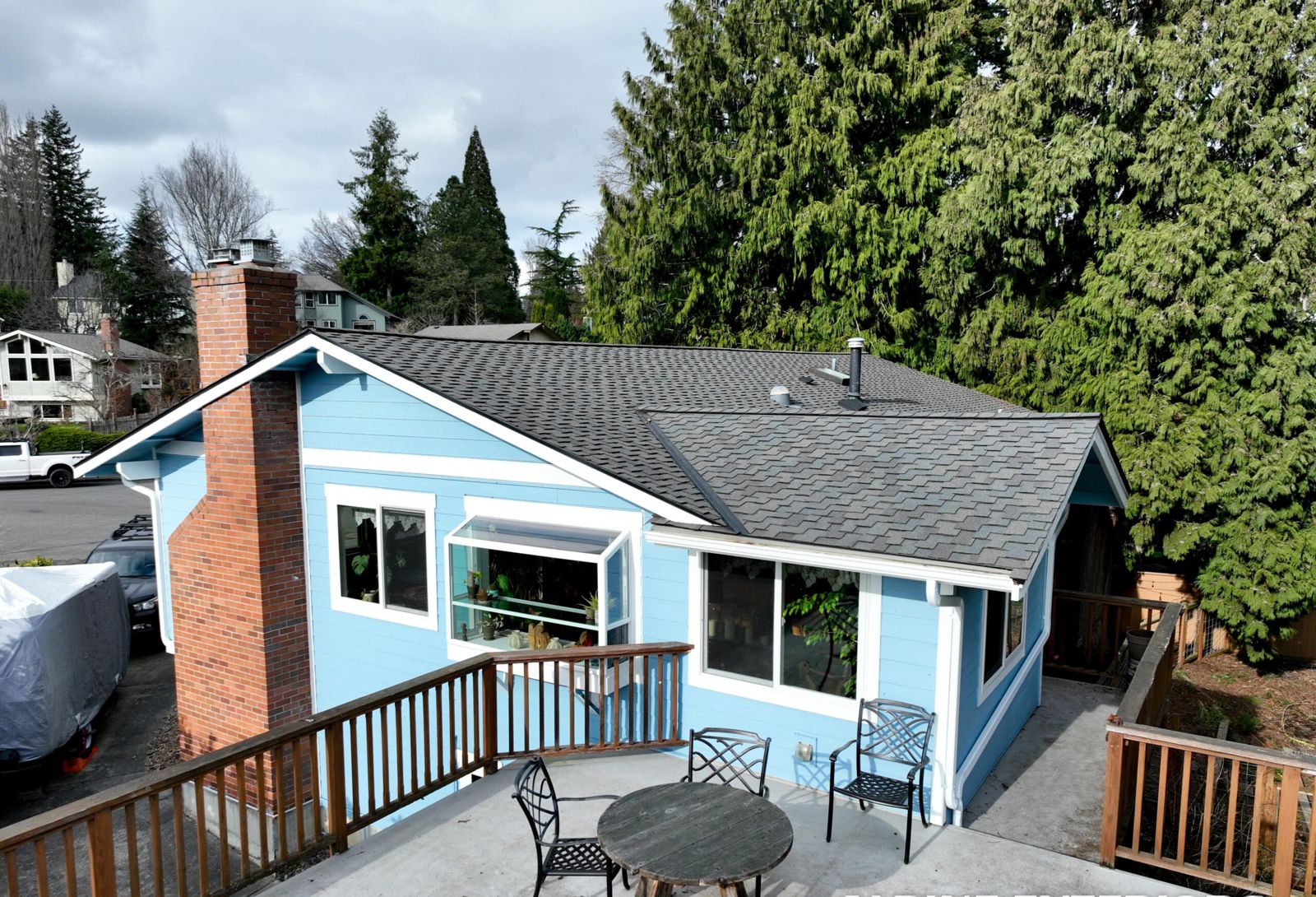
Sehome sits on the hill above downtown Bellingham, wrapped around Western Washington University and the Sehome Hill Arboretum, with a mix of older post-war homes, mid-century additions, and infill construction on steep, tree-shaded lots. That combination of age, tree cover, and exposure to weather rolling in off Bellingham Bay makes siding condition here more variable than in newer, flatter subdivisions. Homeowners considering a siding replacement in this neighborhood usually want to know two things up front: how long will this actually take, and what is going to happen to my property while it's underway. This page walks through the real sequence, stage by stage, based on how a project of this kind typically unfolds in Whatcom County conditions.
For a typical single-family home in Sehome — roughly 1,500 to 2,600 square feet of exterior wall — a full siding replacement usually runs two to four weeks from the day crews arrive to the final walkthrough, not counting the weeks spent on permitting and material ordering before that. Homes with extensive wood rot hidden under old siding, multiple stories, or complicated rooflines with lots of dormers and gables take longer, because more time goes into sheathing repair and detail work around windows, trim, and roof-to-wall transitions. Weather is the other variable that matters more here than almost anywhere else in the state: Whatcom County gets a long stretch of persistent, low-intensity rain rather than short intense storms, and crews need real dry windows to install house wrap and flashing correctly. Between roughly October and April, expect the schedule to build in more flexibility for weather delays than it would in July or August.
| Phase | Typical duration |
|---|---|
| Estimate, contract, and permit submittal | 1–2 weeks |
| Permit review (City of Bellingham) and material ordering | 2–6 weeks, product-dependent |
| Tear-off, sheathing repair, and weather barrier | 2–5 days |
| Siding installation, trim, and flashing | 5–12 days |
| Paint or finish coat, punch list, cleanup | 2–4 days |
These ranges assume no major structural surprises. Because so many Sehome homes have original wood siding or old hardboard products from decades of Pacific Northwest rain exposure, it's common to find some degree of rot or soft sheathing once the old material comes off. That's addressed as its own line item once it's visible, not guessed at in advance — which is one reason estimates carry a contingency range rather than a fixed number.
Sehome is inside Bellingham city limits, so siding replacement typically requires a building permit through the City of Bellingham Permit Center, particularly when sheathing or structural repair is involved rather than a simple like-for-like re-side. Alpine Exteriors handles the permit submittal and inspection scheduling as part of the project, but the timeline is worth knowing about up front: plan review can take anywhere from a couple of weeks to over a month depending on the season and the permit queue, and that clock runs independently of how fast materials can be ordered.
If the property is in a platted development or condo association with design covenants — some of the newer construction near the Arboretum and south Sehome falls into this category — siding color, material type, and sometimes even installation timing may need HOA architectural approval before a permit is even filed. It's worth checking the covenants or asking the HOA board early, because approval cycles can add another two to four weeks and are outside the contractor's control.
Material lead time is the other front-loaded piece. Fiber cement siding, certain fiber cement trim profiles, and specialty colors or finishes are often built to order and can take four to eight weeks to arrive, sometimes longer during high-demand seasons. Vinyl and standard cedar products generally move faster. None of this work should start until materials are confirmed on-site or on a firm delivery date — starting tear-off before materials have arrived leaves a house exposed to Whatcom County's rain for longer than anyone wants.
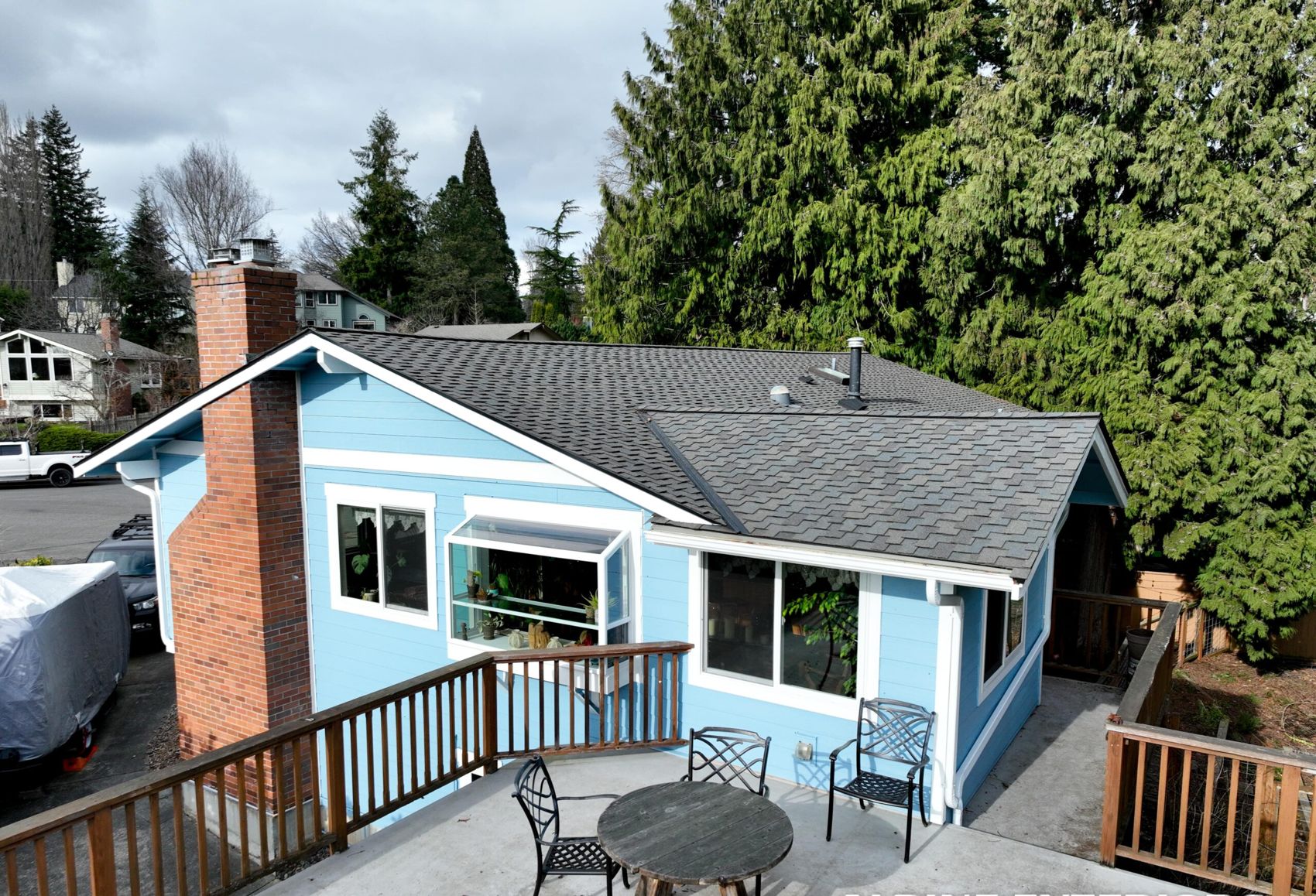
Once permits are approved and material is staged, the physical work follows a fairly consistent order:
A few things make the project go more smoothly on the homeowner's end. Move vehicles out of the driveway and immediate work area, and clear anything breakable or sentimental from exterior walls — hanging planters, wind chimes, string lights, and mounted décor should come down before crews arrive. Pets that spend time in the yard need another arrangement during active work days, since gates may be propped open and there will be more noise and activity than usual. Inside the house, expect some noise and vibration during tear-off and nailing, especially in rooms that back up to the walls being worked on; this is a reasonable week to avoid scheduling anything requiring quiet, like a home-based video call schedule that can't flex. If the home has an alarm system with exterior sensors, or exterior cameras, let the crew and Alpine Exteriors know in advance so nothing gets triggered unnecessarily. Finally, if there's a specific access concern — a locked side gate, an on-site parking restriction, or a shared driveway with a neighbor — flag it before the first day, not after equipment is already staged.
Once installation is complete, the City of Bellingham typically requires a final inspection tied to the permit before the job is considered closed out — this is standard and shouldn't be skipped even when it feels like a formality. Alpine Exteriors coordinates scheduling that inspection directly.
Daily cleanup during the project is normal — nails, cut-offs, and packaging get swept and magnet-swept from the yard at the end of each work day, since loose fasteners left in grass are a real hazard for bare feet, pets, and lawn mowers alike. At the end of the job, expect a more thorough final cleanup pass: removal of all debris, dumpster or trailer hauled away, and a walk of the property to check for stray materials in planting beds, gutters, or under decks.
The final walkthrough is the homeowner's chance to inspect the work directly — checking caulking lines, paint coverage, trim alignment, and that all penetrations (hose bibs, light fixtures, vents) were properly sealed and reinstalled. Any punch-list items identified at this stage get scheduled for a return visit before the job is signed off as complete.
New siding doesn't require much upkeep, but Whatcom County's climate does call for periodic attention. Moss and algae growth on north-facing and shaded walls — common under the tree canopy around Sehome and the Arboretum — can be washed off with a soft-bristle brush and a mild cleaning solution; avoid high-pressure washing directly at seams or under panel edges, since that can force water behind the siding rather than removing surface growth. It's worth doing a visual check of caulking and trim seals once a year, typically in early fall before the wet season sets in, since sealant does wear over time and small gaps are far easier to catch and re-seal than the moisture damage that can follow behind them.
Material warranties vary by manufacturer and product — fiber cement, vinyl, and wood products all carry different terms — and Alpine Exteriors reviews the specific warranty documents for the chosen product as part of project closeout, alongside separate workmanship coverage on the installation itself. Keep those documents on file; if a warranty claim is ever needed, having the original paperwork and installation date on hand speeds that up considerably.
Some exposure is unavoidable, but crews limit it by working one elevation or section at a time rather than opening up the entire house at once, and by timing tear-off around forecasted dry windows where possible. In a region with as much persistent rain as Whatcom County, this staged approach is standard practice rather than an extra precaution.
It's treated as its own scope once it's visible and measured — damaged sheathing or framing is documented, priced, and repaired before new siding goes on over it. This is common enough on older Sehome homes with original siding that most estimates already account for some contingency, but the exact extent isn't knowable until the old material comes off.
In most cases within Bellingham city limits, yes, especially if any sheathing or structural work is involved; a simple like-for-like re-side with no structural changes may fall under a lighter review, but that determination is made by the City of Bellingham Permit Center, not assumed in advance. Alpine Exteriors submits and tracks this as part of the project rather than leaving it to the homeowner to sort out.
If the scope includes new wall insulation or a full wall assembly change, the work needs to meet the current Washington State Energy Code requirements for the local climate zone, which govern insulation levels and air-sealing details. This gets verified as part of the process rather than left to chance, since it affects both code compliance and how the wall performs against the region's rain and cooler foothill temperatures over time.
Every property on Sehome Hill sits a little differently — tree cover, sun exposure, and how much wind-driven rain a given wall takes all vary block to block. Alpine Exteriors, WA contractor license ALPINI751OW, can walk the property, look at what's actually going on under the existing siding where it's accessible, and put together a realistic timeline and scope for your home rather than a generic estimate. Reach out to schedule a site visit and get a straight answer on what your project would actually involve.