
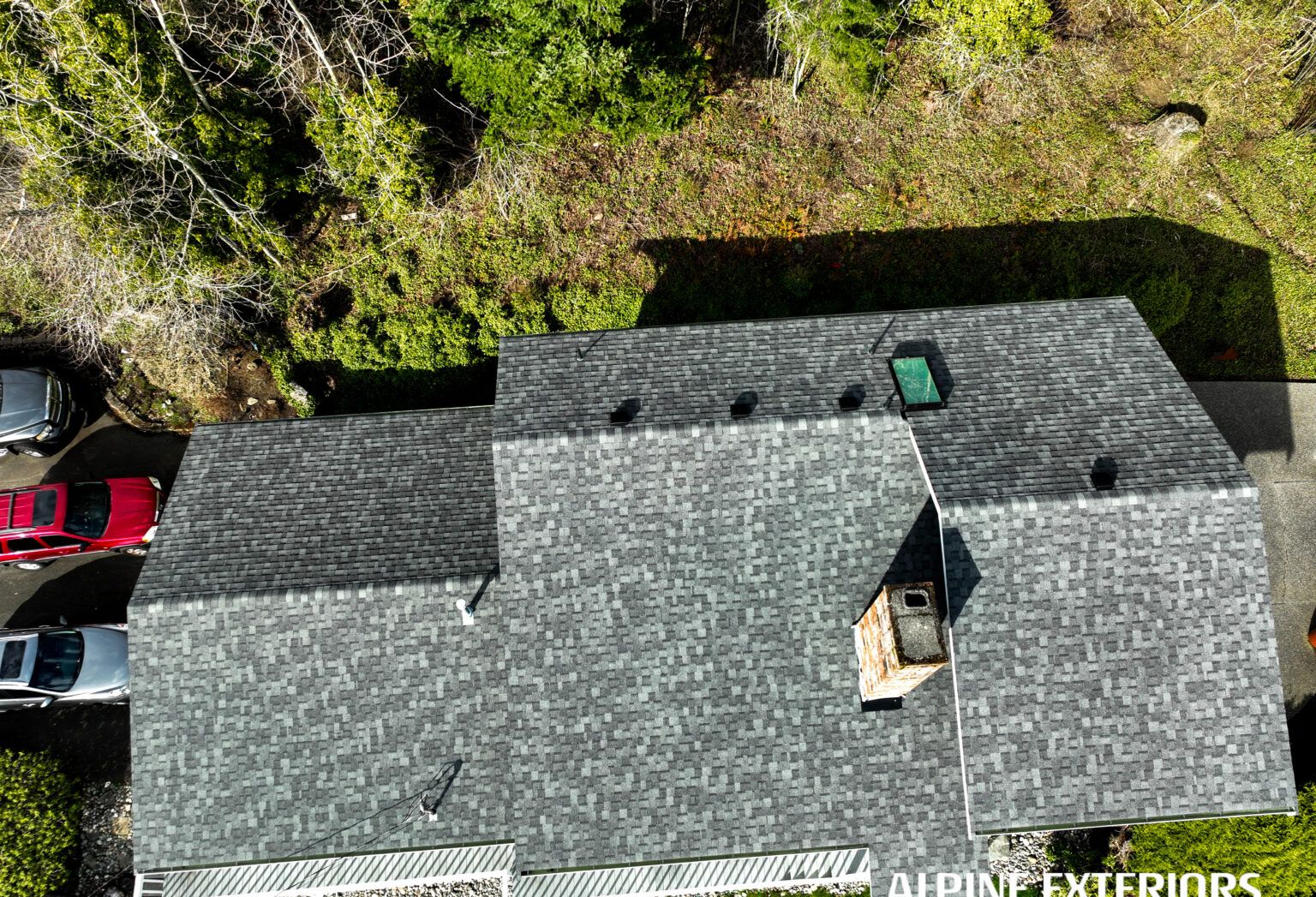
Barkley Village sits close to Bellingham Bay, tucked among mature trees and older residential streets that see their share of shade, standing moisture, and wind off the water. Homeowners here often ask us the same question when it's time to re-side: James Hardie fiber cement or vinyl? Both are legitimate choices used across Whatcom County, but they behave differently once they're facing our wet winters, mossy shade pockets, and the freeze-thaw swings that reach into the foothills east of town. This page walks through both options honestly, including the tradeoffs, so you can pick the one that fits your house, your budget, and how long you plan to own it.
If your home is shaded, close to mature trees, exposed to wind-driven rain off the Bay or the Strait of Georgia, or you plan to stay in the house long-term, James Hardie fiber cement is usually the better investment. It resists moisture intrusion and moss staining better over a 20-30 year horizon and holds paint and caulking joints more reliably in our climate. If you're working with a tighter budget, siding a rental or a home you'll sell within five to ten years, or your walls get good sun exposure and airflow, vinyl siding is a reasonable and much less expensive option that still performs adequately when installed correctly. Neither material is wrong — the right pick depends on exposure, budget, and how long you'll own the house.
James Hardie is a cement-based composite siding, not wood and not plastic, and it behaves like it. It doesn't absorb water the way wood trim does, it doesn't warp in sustained damp shade the way some vinyl profiles can over time, and it takes paint the way a wood-look product should, giving you real color depth and the ability to change the color later if you want to. For Whatcom County specifically, that matters because so many Barkley Village and Bellingham lots have tree cover that keeps north- and east-facing walls damp for days after a rain event — the kind of condition that eventually causes rot behind older wood or engineered wood siding.
Hardie's ColorPlus factory finish is baked on and holds up well against our persistent gray-sky moisture without the chalking some field-applied paints show after a decade. It's heavier and more rigid than vinyl, so it doesn't oil-can or flex in wind gusts coming off the water, and it's genuinely more fire-resistant, which some Whatcom County insurers now factor into premiums. The tradeoffs are real, though: it costs more upfront, it's heavier to install so labor takes longer and costs more, it requires a crew experienced with fiber cement (improper fastening or caulking negates a lot of the benefit), and while it's low-maintenance, it isn't zero-maintenance — caulked joints and trim should get checked every few years, and it does need repainting eventually, just far less often than wood.
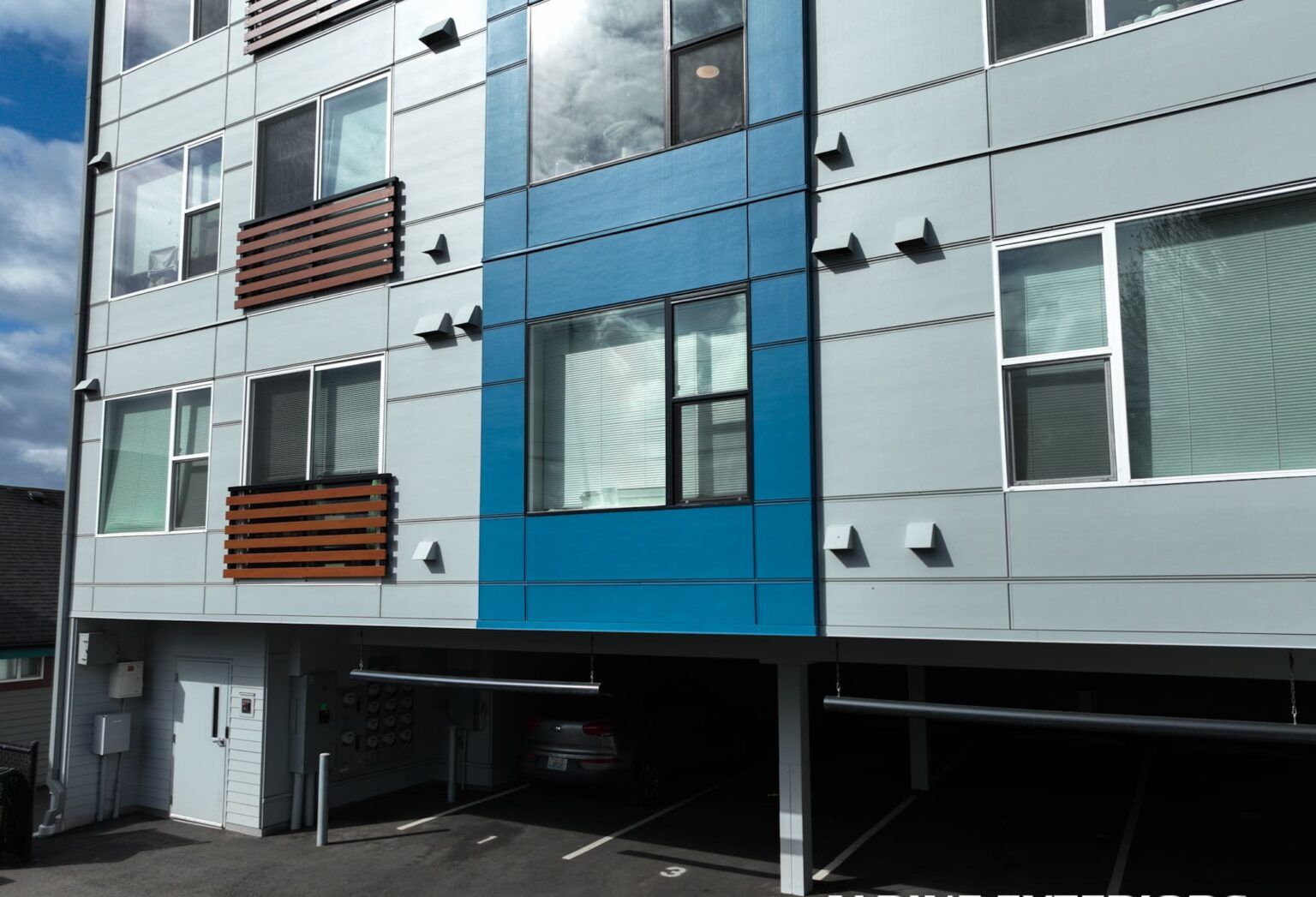
Vinyl siding remains popular in Whatcom County because it's affordable, installs quickly, and modern profiles have gotten better at resisting the fading and brittleness that gave older vinyl a bad reputation. It never needs painting, it sheds rain well on walls with decent sun and airflow, and for a straightforward re-side on a budget, it gets a home weathertight without a huge investment. Insulated vinyl options also help meet Washington State Energy Code wall assembly requirements more easily than hollow-back panels, which matters if you're doing a full re-side rather than a simple recover.
The drawbacks show up more in our specific climate than in drier regions. Vinyl is a plastic product, and cold snaps during winter freeze-thaw cycles in the foothills and higher elevations around Whatcom County can make it more brittle and prone to cracking on impact. In persistently shaded, damp spots — which describes a lot of Barkley Village's tree-lined lots — vinyl doesn't rot, but moss and algae will still colonize its surface and the panel laps, and because vinyl can't be repainted, once it stains or fades unevenly your only real fix is pressure washing (carefully, so you don't force water behind the panels) or replacement. It's also more prone to being pushed or pulled loose in strong, wind-driven rain events off the Bay if the installation wasn't done with proper nailing slots and expansion gaps.
| Factor | James Hardie Fiber Cement | Vinyl Siding |
|---|---|---|
| Installed cost (typical range) | Roughly $9-$16 per square foot installed, depending on plank style and trim detail | Roughly $4-$9 per square foot installed, depending on panel thickness and insulation backing |
| Expected lifespan here | 30-50 years with normal upkeep in our wet climate | 20-30 years, shorter if repeatedly stressed by freeze-thaw cracking |
| Maintenance | Periodic caulk/trim check; repaint every 12-15+ years (ColorPlus finish extends this) | Occasional soft-wash to remove moss/algae; no painting, but cracked panels must be replaced, not patched |
| Moisture & moss resistance | Does not rot or absorb water; resists moss staining better on shaded walls | Won't rot, but moss and algae readily colonize the surface in shaded, damp areas |
| Appearance | Deep factory color, authentic wood-grain or smooth textures, holds shape and edges crisply | Wide color/style range, lighter visual weight, can look slightly less substantial up close |
| Cold-weather behavior | Rigid, stable; unaffected by freeze-thaw cycling | Can become more brittle and crack on impact during cold snaps in the foothills |
Barkley Village's mix of mature tree canopy, proximity to the water, and mostly established, longer-tenure homeowners tips the recommendation toward James Hardie fiber cement for most of the houses we look at there. The neighborhood's shaded north walls hold moisture longer after our frequent rain events than a more open, sun-exposed lot would, and that's exactly the condition where fiber cement's resistance to moisture-driven staining and its rigidity in wind-driven rain off Bellingham Bay pay off over the decades. Homeowners planning to stay put also get more value from Hardie's longer service life and repaintable finish, since they're the ones who'll benefit from not re-siding again in 20 years.
That said, vinyl isn't the wrong call for every Barkley Village property. A smaller home with good southern exposure, a rental property where the owner is optimizing for upfront cost, or a home already scheduled for a future remodel can reasonably go with vinyl and get solid performance for its expected service life, especially with insulated panels that help the wall assembly meet Washington State Energy Code requirements. Alpine Exteriors installs both systems and will walk your specific walls — shade patterns, current trim condition, wind exposure — before recommending one over the other, rather than defaulting to whichever is more profitable to install.
Both materials can grow moss and algae in persistently shaded, damp spots — neither is immune to it in a climate as wet as ours. The difference is that Hardie's factory finish and smoother, harder surface tend to shed spores and hold up to soft-washing better over time, while vinyl's slightly more porous surface and lap seams can hold onto moss growth a bit more stubbornly in the shadiest corners of a lot like those common in Barkley Village.
Vinyl can become more brittle in sustained cold, and impact damage — a thrown branch, a ladder bump, hail — is more likely to crack a panel during a cold snap than during milder weather. Whatcom County doesn't see extreme cold most winters, but the foothill areas east of Bellingham and occasional hard freezes do increase this risk compared to fiber cement, which isn't affected by temperature swings the same way.
If you're planning to sell within the next five years, the higher upfront cost of fiber cement is harder to fully recoup relative to vinyl, since you won't be around to benefit from its longer lifespan. In that scenario, a quality vinyl installation, or even a lighter-touch repair of existing siding, is often the more financially sensible choice. If you're staying long-term, Hardie's durability and lower long-run maintenance tend to justify the difference.
Both fiber cement and vinyl can be installed as part of a wall assembly that meets Washington State Energy Code requirements, but neither siding material alone determines compliance — it's the full assembly, including continuous insulation and air sealing, that's evaluated. Insulated vinyl panels can make it a little easier to add R-value during a re-side, while Hardie installations typically rely on separate rigid insulation or house wrap to hit the same target. Alpine Exteriors can review what your specific wall assembly needs before installation.
Every home on your street handles Whatcom County's rain, shade, and wind a little differently, and the right siding choice depends on those specifics more than on which material is generally "better." Alpine Exteriors is a licensed Washington contractor (license ALPINI751OW) serving Bellingham, Ferndale, Lynden, Blaine, Birch Bay, Sudden Valley, and the islands, and we're happy to walk your property, point out the moisture and exposure patterns that matter, and give you a straightforward comparison of James Hardie and vinyl for your specific walls — no pressure toward whichever product happens to be easiest to sell. Contact Alpine Exteriors to schedule a look at your home and get a real, house-specific recommendation.