
Happy Valley's older bungalows and mid-century homes sit close together on tree-shaded lots between Fairhaven and the Lake Whatcom foothills, which means a lot of siding here spends its life half-shaded, slow to dry, and exposed to whatever blows in off Bellingham Bay. Add Whatcom County's marine rain pattern — long stretches of drizzle rather than hard downpours, punctuated by wind-driven storms off the Strait of Georgia — and siding failure tends to creep in quietly. By the time it's obvious from the sidewalk, there's often been moisture behind the wall for a season or two already. This guide walks through what to look for, what's actually urgent versus what can wait for a normal maintenance cycle, and what a homeowner in Happy Valley, Fairhaven, or anywhere else in the Bellingham area should do next.
Paint failure is usually the first visible clue that moisture is trying to leave the wood through the surface instead of staying out. On older Happy Valley homes with cedar or wood composite siding, you'll often see this on the north- and west-facing walls first — the sides that get the least sun to dry out between rain events and take the brunt of wind-driven rain moving in off the bay. Bubbling means water vapor is pushing up from underneath; alligatoring (a cracked, reptile-skin texture) usually means the paint film itself has aged past its ability to flex with the wood. Either way, paint failure by itself isn't a structural emergency, but it's a signal to look closer at what's under it before repainting over the problem.
Press a gloved hand or the flat of a screwdriver handle against the siding near the bottom courses, around window sills, and anywhere two pieces of trim meet. If it flexes, crumbles at the edge, or feels damp and cool compared to the surrounding wall, you're likely dealing with wood rot. This is one of the most common failures we see in this part of Whatcom County, because siding here rarely gets a long dry stretch to fully dry out between rain systems. Rot spreads fastest at the bottom of walls where splash-back from the ground keeps wood wet, at window and door flashing where a small gap lets water track behind the siding, and at any spot where a previous owner caulked over a problem instead of fixing the flashing underneath.
Vinyl and some fiber-cement products can warp when they've absorbed water they were never designed to hold, or when they've been installed too tight with no room to expand and contract. On a hillside lot like many in Happy Valley, temperature swings between a shaded morning and a sun-exposed afternoon can be sharper than you'd expect, and siding that's nailed down too rigidly will eventually buckle rather than flex. A little waviness on an older wall isn't automatically an emergency, but new or worsening buckling usually means either trapped moisture behind the panel or a fastening problem that will keep getting worse with each freeze-thaw cycle the foothills see in a typical Whatcom County winter.
Look closely at inside corners, outside corners, and anywhere siding meets a window, door, or roofline. Wood and fiber-cement both expand and contract with moisture and temperature, and over ten or fifteen years those small movements can open gaps that were never there at installation. Once a gap opens, wind-driven rain off the Strait finds it easily during a fall or winter storm, and water gets pushed sideways and even upward behind the cladding rather than running straight down and off. These gaps are often small enough that they're easy to miss from the ground, which is part of why a lot of siding failure in this area isn't caught until it's already caused rot behind the wall.
Some moss and algae growth is just part of owning a home under Douglas fir and big-leaf maple canopy in Whatcom County, and it doesn't automatically mean the siding is failing. What matters is the pattern. Green growth low on a wall that gets minimal sun, especially near shrubs or downspouts, is usually just surface biology and a cleaning issue. Black streaking that keeps returning within weeks of washing, or moss that's established itself in a crack or seam rather than just on the surface, is a different story — it means moisture is sitting against that spot long enough for organic growth to root in, and given enough time that trapped moisture starts working on the substrate underneath, not just the surface.
Caulk is a wear item, not a permanent fix, and in this climate it tends to fail faster than manufacturers' literature suggests — usually somewhere in the five-to-ten-year range depending on sun exposure and the quality of the original application. Once a caulk line shrinks, cracks, or pulls away from the surface, it stops shedding water and starts collecting it instead, funneling rain directly into the seam it was supposed to protect. This is a quick thing to check yourself: run a finger along the caulk lines at trim boards, corner posts, and around penetrations like hose bibs and light fixtures, and look for a joint that's compressed instead of a clean bead.
Fasteners that have worked their way partway out, leaving a raised head or a visible gap around the shank, are a sign that the siding material behind them has swollen, shrunk, or shifted more than it should. This shows up more often on the sunnier, more exposed elevations of a home, where daily heating and cooling cycles stress the material. A few popped nails on an older wall aren't an emergency, but a cluster of them in one area, especially paired with visible gaps or waviness nearby, usually points to a moisture or movement problem worth investigating rather than just re-nailing and moving on.
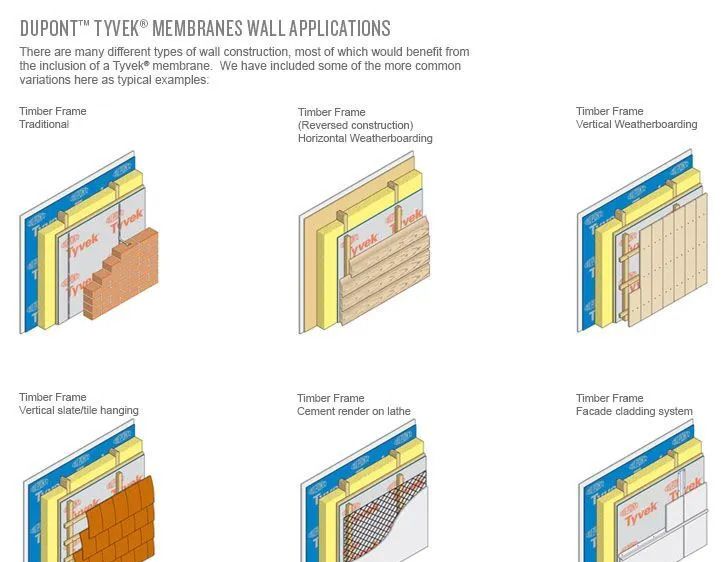
Not every warning sign shows up outside first. A musty smell in a closet or room that backs up to an exterior wall, visible mold on interior drywall near baseboards, or a noticeable increase in heating costs with no other explanation can all point to failing siding and compromised weather barrier behind it. Homes built or re-sided to meet the Washington State Energy Code rely on a continuous, intact water-resistive barrier and insulation layer working together — once siding failure lets moisture in, that insulation can get wet and lose much of its effectiveness, which shows up as higher bills long before anyone spots a problem from the curb.
Not every item on this list needs a contractor out this week. A single area of surface mold on siding after a wet winter, or moss on a shaded fence-facing wall, is a maintenance task — clean it, keep an eye on it, and address it during your next normal exterior upkeep pass. The same goes for minor paint fading or a hairline caulk crack on one window.
What does need prompt attention: soft or spongy siding anywhere, especially near the ground or below windows; a musty smell or visible mold showing up indoors; gaps or buckling that have visibly worsened over a season; and any spot where you can see daylight or feel a draft through the wall assembly. Left alone through another Whatcom County wet season, these problems don't stay the same size — wood rot spreads into framing, insulation loses R-value once it's wet, and a repair that would have been one or two wall sections grows into a full section of siding, sheathing, and sometimes framing replacement. If you're on the fence about which category a problem falls into, that's a reasonable reason to get a professional opinion rather than guess.
Start with a walk around the house on a dry day, checking the signs above from the ground and, if you can safely reach it, up close at eye level near windows, corners, and the bottom courses. Take a few photos so you have a record to compare against next year. For anything that reads as "can wait," schedule a normal cleaning and maintenance visit — pressure washing done carefully at low pressure, fresh caulk where it's thin, a coat of paint where it's chalking.
For anything in the "urgent" list, or if you're just not sure what you're looking at, an in-person inspection is worth the time before you spend money on a repair that might not address the actual cause. Alpine Exteriors inspects Happy Valley and greater Bellingham homes for exactly these patterns — moisture paths, rot extent, and whether a problem is isolated or a sign of wider siding failure — and can tell you honestly whether you're looking at a patch repair, a partial re-side of the affected elevations, or a full replacement. Repair costs for isolated rot and trim work are typically a modest fraction of what a full re-side runs; the right answer depends entirely on how far the moisture has already traveled, which usually isn't visible until a panel or two comes off.
Cosmetic issues — surface algae, minor fading, a small hairline crack in caulk — don't change how the wall feels when you press on it. If the siding flexes, feels soft, or you can see the substrate underneath through a crack or gap, treat it as structural until an inspection proves otherwise, since wood rot and trapped moisture aren't always visible from the surface.
Shaded walls, common on tree-covered Happy Valley lots, take longer to dry out after rain and get less UV exposure to slow moss and algae growth. In Whatcom County's marine climate, where dry stretches between rain systems are often short, that extra drying time is often the difference between a wall that sheds moisture fine and one that stays damp long enough for rot to start.
It can, in both directions. Failing siding that's let moisture into the wall assembly typically reduces the effectiveness of existing insulation, which shows up as higher heating bills. A proper re-side done to current Washington State Energy Code requirements, with the water-resistive barrier and insulation layers installed correctly, generally improves on that — but only if the underlying moisture problem is actually fixed rather than covered over.
Some level of periodic maintenance — cleaning moss and algae, refreshing caulk, touching up paint — is normal for any siding material in Whatcom County's wet climate and isn't a sign of failure by itself. What's not normal is recurring rot, soft spots, or the same section needing repair year after year; that pattern usually points to an underlying moisture or flashing issue rather than ordinary wear.
If you're seeing more than one of these signs on a Happy Valley home, or you'd just like a second opinion before winter storms roll in off the Strait, Alpine Exteriors offers siding inspections throughout Bellingham, Ferndale, Lynden, Blaine, Birch Bay, Sudden Valley, and the islands. Alpine Exteriors is licensed in Washington under contractor license ALPINI751OW, and can walk your property with you, point out what's worth watching versus what needs action now, and lay out honest options and cost ranges before any work begins.