
Most siding repair calls Alpine Exteriors gets from Sehome trace back to one of three things: moisture that got behind the siding and rotted the wood underneath, moss and algae staining that's more cosmetic than structural, or a handful of damaged panels that need to be matched to siding the manufacturer may have discontinued. Small, isolated damage on a home with siding under about 10-15 years old is usually a repair. Widespread rot, siding older than 20 years, or damage that shows up in multiple unrelated spots on the house usually points toward replacement instead.
Sehome is one of Bellingham's older, denser neighborhoods, with a real mix of siding types sitting close to Western Washington University and the hill running down toward downtown. We see original wood lap siding on Craftsman-era homes, hardboard siding from 1980s and '90s remodels, vinyl on rentals and flips, and a growing amount of fiber cement on newer infill construction and renovations. Each of those materials fails differently, and knowing which one you have changes the repair-versus-replace math.
Wood lap siding almost always fails at the bottom edges of boards, at butt joints where two pieces meet, and anywhere paint has worn thin enough to let water soak into the grain. Once wood siding is soft to the touch or a screwdriver sinks in without much pressure, that section is rotted and needs to be cut out and replaced — patching over rot just seals the moisture in. Hardboard siding, common on Sehome homes built or resided in the 1980s and '90s, is particularly prone to swelling and delamination at the bottom edge and at any spot where caulking has failed, because the wood-fiber substrate wicks water and doesn't dry back out the way solid wood does. Vinyl siding cracks and warps from impact or age, and individual panels can usually be unlocked and swapped without touching the rest of the wall — the catch is that sun-faded vinyl rarely matches a new panel exactly, so a repair on a wall that gets a lot of afternoon sun can leave a visible patch. Fiber cement is the most durable of the four against moisture, but it's not immune to damage at cut edges that weren't factory-sealed, and matching an older fiber cement profile or color can be harder than people expect if the product line has since changed.
Moss and algae are a separate issue from rot and get treated separately. A green or black film on the north side of a house, under eaves, or in the shade of a big cedar or maple is a surface growth issue, not damage. It can usually be cleaned with a soft wash rather than pressure that can drive water under laps or strip paint. The reason it's worth mentioning in the same breath as repair work is that homeowners often assume dark staining means rot, order a repair estimate, and are relieved to find out the siding underneath is sound — a wash and better airflow around the affected area is often the actual fix.
Whatcom County's siding problems are driven almost entirely by moisture, not by the wind and impact damage that dominates siding conversations in hurricane-prone parts of the country. Bellingham sees a long, wet fall-through-spring stretch where siding can stay damp for days at a time, and that changes both how damage develops and how repairs need to be built.
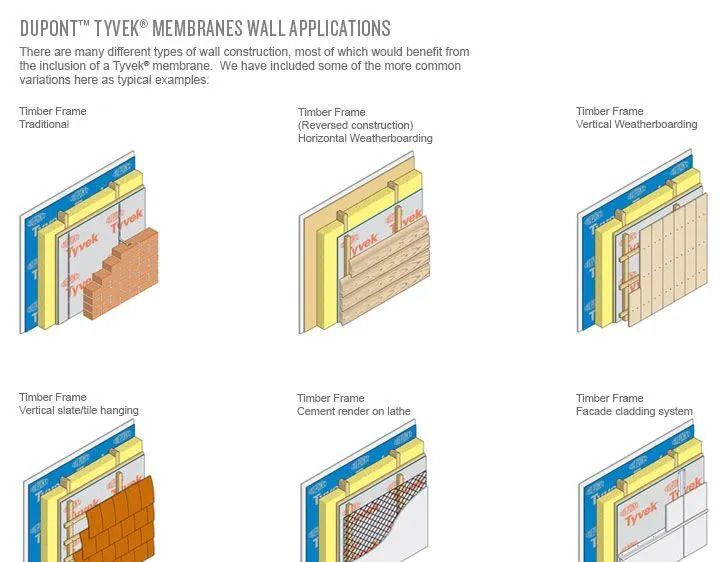
Any siding repair or replacement done in this area also has to account for the Washington State Energy Code, which sets minimum insulation and air-sealing requirements for exterior wall assemblies. That matters most when you're replacing siding down to the sheathing rather than doing a spot repair — it's an opportunity (and in many cases a requirement) to address wall insulation and house wrap at the same time, rather than putting new siding over the same thermal performance you had before.
Start by figuring out how far the damage goes before deciding anything. Push on suspect boards or panels with a screwdriver or your thumb — spongy, soft, or crumbling material means rot has set in and that section needs to come out, not get patched. Check whether the damage is isolated to one wall or corner, or shows up in similar spots all over the house; damage in multiple unrelated locations is often a sign of an aging siding system rather than one bad section, and repairing piece by piece on a system that's failing broadly usually ends up costing more over a few years than replacing it once.
If the damage is limited — a few rotted boards, a couple of cracked vinyl panels, a section behind a downspout that's been leaking — a repair makes sense, with one caveat worth being honest about: matching existing siding gets harder the older the house is. Paint colors fade unevenly, vinyl profiles get discontinued, and hardboard and early fiber cement lines from the '80s and '90s are frequently out of production entirely. Alpine Exteriors will always try to source an exact or close match first, but on a 25-year-old house it's realistic to expect the repaired section to be slightly visible, at least until the whole wall is repainted or the color weathers closer to the rest of the siding. We'll tell you upfront if we think a perfect match isn't realistic rather than promise one and disappoint you later.
If you're seeing rot at multiple corners, soft spots on more than one wall, or the house hasn't been resided in 20-plus years, get a full inspection before committing to a patch job. It's common for what looks like one bad board to be the visible edge of moisture damage that's spread further behind the siding than you can see from outside — pulling a section back to check the house wrap and sheathing condition is worth doing before spending money on a repair that might not hold. And if you're already looking at full replacement, that's the moment to talk about whether your wall assembly meets current Washington State Energy Code insulation targets, since re-siding is the cheapest time in the life of the house to fix that.
One more practical note: don't ignore moss thinking it's "just cosmetic" indefinitely. It usually is cosmetic, but moss and algae that sit against siding for years keep the surface damp longer after every rain, and on wood or hardboard siding that steady dampness is exactly the condition that leads to rot at the joints underneath. A periodic soft wash and trimming back branches that shade a wall are cheap insurance against a much more expensive repair down the road.
Isolated soft spots, a couple of cracked panels, or damage limited to one area of the house are usually repairable, especially if the rest of the siding is in solid shape and under 15-20 years old. Replacement becomes the more sensible choice when rot or damage shows up in several unrelated spots, when the siding is old enough that matching materials is no longer realistic, or when a contractor pulls back a damaged section and finds the moisture problem extends into the wall assembly rather than staying at the surface.
On its own, a layer of moss or algae is mostly cosmetic and doesn't mean the siding underneath has failed. The risk is indirect: moss holds moisture against the surface longer after each rain, and on wood or hardboard siding that prolonged dampness can eventually contribute to rot at seams and butt joints if it's left unaddressed for years. A soft wash handles the growth itself; keeping nearby branches trimmed back so the wall gets more sun and airflow helps prevent it from coming back as quickly.
It depends heavily on the material and the age of the house. Newer vinyl, fiber cement, and wood siding can usually be matched closely because the products and paint colors are still current. On older homes — particularly ones with 1980s or '90s hardboard, discontinued vinyl profiles, or sun-faded paint — an exact match isn't always possible, and Alpine Exteriors will tell you honestly if that's the case rather than promise a seamless result we can't deliver. In those situations, repainting the full wall or accepting a slightly visible patch are the realistic options.
Yes — any siding work that opens up the wall to the sheathing falls under the Washington State Energy Code, which sets minimum requirements for insulation and air sealing in exterior wall assemblies. A simple spot repair that doesn't expose the wall assembly typically isn't a trigger for this, but a full re-side is, and it's worth using that opportunity to bring an older wall's insulation up to current standards rather than just replacing the outer layer.
If you're in Sehome or anywhere else in Whatcom County — Bellingham, Ferndale, Lynden, Blaine, Birch Bay, Sudden Valley, or the islands — and you're not sure whether what you're looking at is a quick repair or the start of something bigger, Alpine Exteriors will come take a look and give you an honest read before you spend money on the wrong fix. We're a licensed Washington contractor (ALPINI751OW), and we'd rather tell you a repair will hold for years than sell you a full re-side you don't need — or the reverse, if that's what the wood underneath actually tells us. Reach out to Alpine Exteriors to schedule an inspection.