
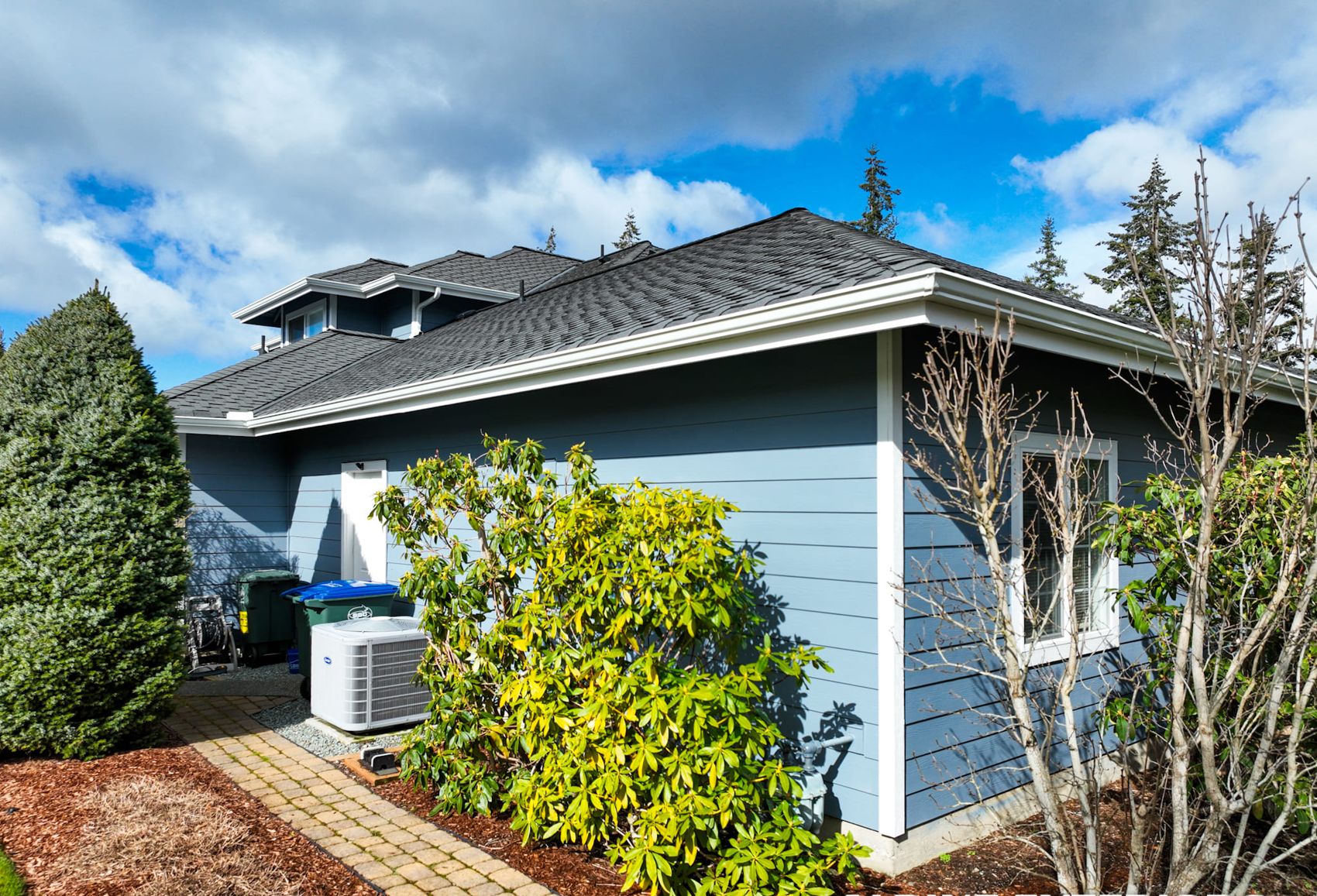
Homeowners in Cordata asking about James Hardie siding costs are usually comparing bids after noticing cupped cedar boards, chalky old paint, or soft spots near the ground line where sprinklers and roof runoff keep the wall wet. Fiber cement is a common answer in this part of Whatcom County because it holds up to the Pacific Northwest's long wet season better than most wood or engineered wood products, but the price range is wide, and the number on any one quote depends heavily on what's actually happening behind your existing siding. This page walks through realistic cost ranges for the Cordata and greater Bellingham area, what pushes a bid toward the low or high end, and what a trustworthy quote should spell out before you sign anything.
Fiber cement siding projects in Whatcom County are typically priced by the square foot of wall area, installed, and the range is wide because it covers everything from a straightforward re-side over sound sheathing to a full tear-off with hidden rot repair. For a typical Cordata single-family home, total project costs commonly land somewhere in the low tens of thousands on the low end and can run well beyond that on homes with steep rooflines, extensive trim, or significant moisture damage discovered once the old siding comes off. Rather than quote a single number that won't hold up house to house, the table below breaks out the major cost factors so you can see where your project is likely to fall.
| Cost Factor | Lower End | Higher End |
|---|---|---|
| Siding removal & disposal | Simple single-layer tear-off, easy dumpster access | Multiple layers (old cedar under vinyl), asbestos-containing board, tight lot access |
| Substrate & sheathing repair | Sheathing is dry and sound once exposed | Rot at window sills, corners, or the bottom plate requiring framing and sheathing replacement |
| Siding profile | Standard lap siding, one field color | Shingle-style accents, board-and-batten, multiple profiles or colors on one elevation |
| Finish | Factory-primed, field-painted | Factory-applied ColorPlus finish in a custom color |
| Trim & accessories | Minimal trim, standard window and corner detailing | Extensive trim boards, decorative accents, custom flashing at bays and dormers |
| House complexity | One story, simple rectangular footprint | Two-plus stories, steep gables, dormers, or a footprint with many corners and cutouts |
| Weather barrier & flashing detail | Existing barrier reusable and code-compliant | Full new weather-resistive barrier and reflashing of every window, door, and penetration |
A handful of conditions specific to this corner of Washington show up on almost every siding estimate we write in Cordata, Bellingham, and the surrounding towns. The most common is hidden rot. Whatcom County gets a long, steady wet season rather than short heavy downpours, and that steady moisture works its way into wood siding at butt joints, window sills, and anywhere caulking has failed. Once a crew pulls the old siding off, it's not unusual to find soft or delaminated sheathing that wasn't visible from the outside. That repair work isn't padding on a bid — it's necessary, because installing new siding over damaged sheathing just traps the problem.
Moss and algae growth is another factor that's easy to underestimate. On north-facing walls and anywhere tree cover keeps a wall shaded and damp, biological growth can stain and slowly degrade paint film and caulking faster than on a sun-exposed wall. Prep work — pressure washing, scraping, and sometimes replacing caulk joints that have failed under sustained moisture — adds labor time that a quote should account for.
Wind-driven rain off Bellingham Bay and the Strait of Georgia is a real consideration for homes closer to the water or on more exposed lots, including parts of Blaine, Birch Bay, and west-facing sections of Bellingham. Wind pushes rain sideways and upward under laps and around trim in a way that flat-on rain doesn't, so proper flashing at every window, door, and horizontal trim board matters more here than it would on a sheltered inland lot. Getting this detail right takes more time than a quick lap-and-caulk job, and it should show up as line items on your quote, not just a lump sum.
Homes in the foothills and higher-elevation neighborhoods around Sudden Valley see more freeze-thaw cycling through the colder months than homes closer to sea level. Water that gets behind siding and then freezes can pop fasteners, crack caulk joints, and accelerate paint failure, so installers in those areas tend to be more conservative about fastener spacing and joint treatment, which can add modestly to labor cost.
Finally, the Washington State Energy Code affects re-siding projects more than many homeowners expect. Depending on the scope of work and what's being disturbed on the wall assembly, a project may need to meet current continuous insulation or air-sealing requirements, which can mean adding rigid insulation or upgrading the weather-resistive barrier as part of the job. That's a code compliance question worth raising with your contractor and the local building department early, since it affects both material cost and the permit process.
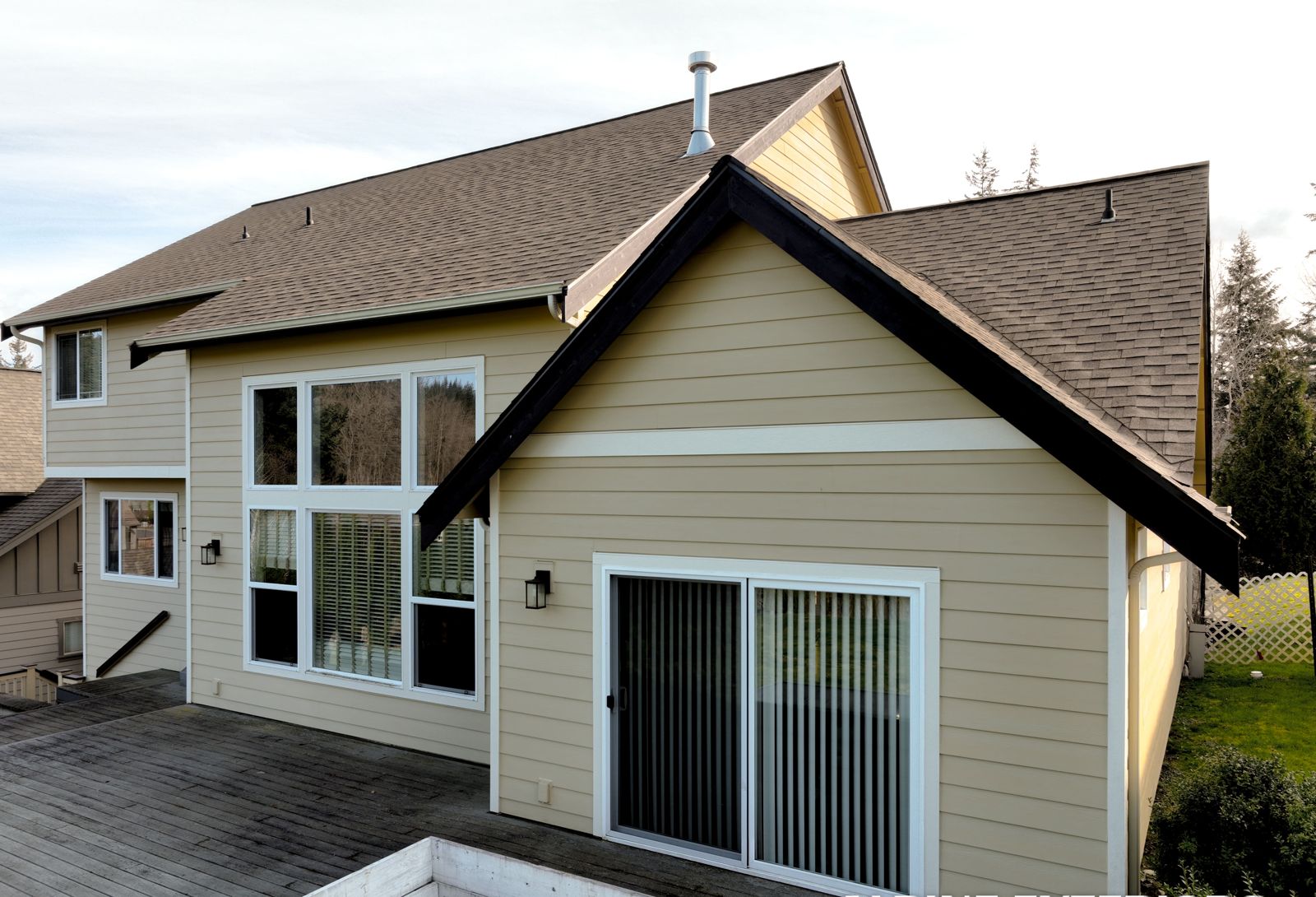
A vague one-line estimate makes it hard to know what you're actually buying, and it makes comparing two bids nearly impossible. A detailed proposal for James Hardie siding work in this area should spell out:
Alpine Exteriors writes proposals this way for Cordata and Whatcom County homeowners specifically so that surprises are minimized and any sheathing repair found mid-project is priced against an agreed allowance rather than negotiated on the fly.
The single biggest mistake in comparing siding bids is treating them as one number when they're actually different scopes of work wearing the same total. Before comparing price, line up the product specification side by side — same Hardie profile, same finish type, same trim package. A quote that looks lower is often missing a weather barrier upgrade, using a thinner trim package, or excluding disposal of the old siding.
Ask each contractor for their Washington contractor license number and confirm it's active and bonded through the Washington State Department of Labor & Industries. Alpine Exteriors' license number, ALPINI751OW, is available for verification, and any legitimate contractor should be comfortable providing theirs. Also ask how the bid handles the unknowns: what happens if rot is found under the old siding, how is that priced, and who makes the call on scope changes. A contractor who can't answer that clearly is one you should be cautious about.
Finally, get everything in writing, including start and completion timelines. A written scope of work protects both sides and gives you something concrete to hold a contractor to if the finished product doesn't match what was promised.
Many siding contractors, including Alpine Exteriors, offer financing options or can connect homeowners with third-party lenders for larger re-siding projects; a home equity line of credit is another common way homeowners in Whatcom County fund this kind of work. Terms and qualification vary by lender, so it's worth comparing more than one option rather than accepting the first offer presented.
On the insurance side, homeowner's policies generally do not cover siding replacement driven by ordinary wear, moisture intrusion, or rot that developed over years — that's typically treated as a maintenance issue rather than a covered loss. If your siding was damaged by a specific storm event, a fallen branch, or another sudden covered peril, a detailed written estimate from your contractor documenting the damage and scope of repair is usually what an adjuster will want to see. It's worth confirming coverage specifics with your insurer before assuming a project will be reimbursed.
It depends heavily on house size, the number of stories, trim complexity, and what condition the sheathing is in once old siding comes off, so costs vary widely across a range rather than landing on one figure. The cost-factor table above is the best way to estimate where a specific home is likely to fall, and a written measured quote is the only way to get a number you can rely on.
Fiber cement generally holds paint and resists moisture-related warping and rot better than vinyl over the long wet Whatcom County season, and it doesn't soften or distort the way vinyl can in sustained heat, though that's a smaller factor here than in hotter climates. Whether the added upfront cost is worth it depends on how long you plan to own the home and how much you value lower long-term maintenance versus the lowest possible install price.
It can, mainly because heavier biological growth usually means more prep work — pressure washing, scraping, and closer inspection of caulk joints and trim that have been sitting under sustained moisture and shade. It's also often a sign worth checking the sheathing behind those areas more carefully once the old siding is off, since moss retention and moisture intrusion tend to go hand in hand.
Possibly. Depending on the scope of the re-siding project and what's being disturbed in the wall assembly, current energy code requirements around continuous insulation or air sealing may apply, which can add material and labor cost. This is worth discussing with your contractor and the local building department before finalizing a quote, since it also affects the permitting process.
The only way to know what a James Hardie siding project will actually cost on a specific Cordata home is to have someone measure the walls, inspect the current siding and trim for signs of moisture damage, and put a detailed scope of work in writing. Alpine Exteriors serves Cordata and the rest of Whatcom County — Bellingham, Ferndale, Lynden, Blaine, Birch Bay, Sudden Valley, and the islands — and can walk through these cost factors on-site and provide a written, itemized quote under Washington contractor license ALPINI751OW.