
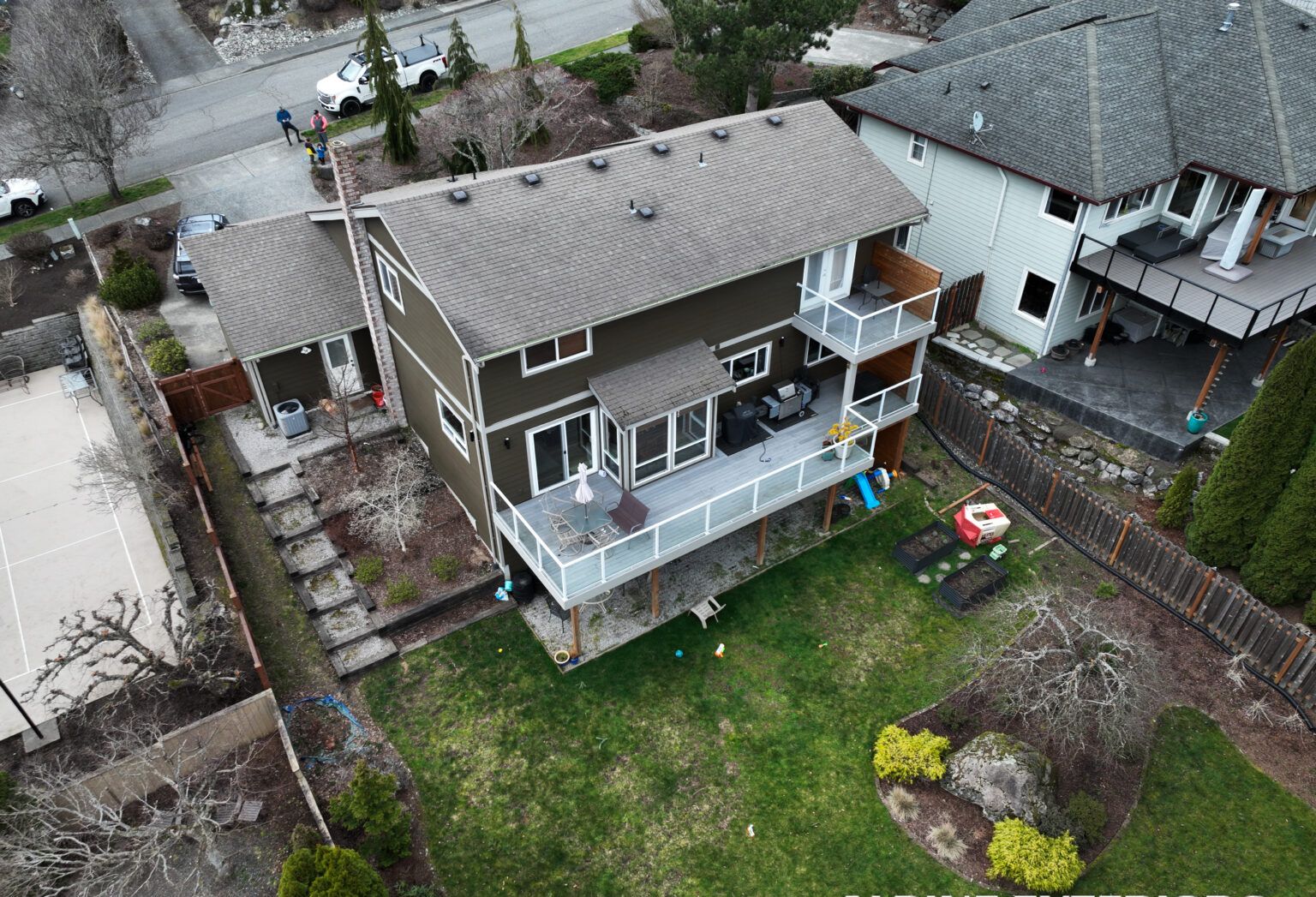
Homes around Lake Whatcom — from the tucked-in lots along Sudden Valley to the older cabins and newer builds ringing the north and south shores — deal with a particular combination of moisture, shade, and terrain that most cost guides never mention. Douglas fir and cedar canopy keep siding damp long after a storm passes, north-facing walls stay mossy through most of the year, and steep, forested driveways make some homes genuinely harder to reach with equipment and material. All of that affects what a James Hardie fiber cement siding job actually costs here, which is why a generic national number is close to useless for a Lake Whatcom property. Alpine Exteriors quotes Whatcom County jobs individually, but homeowners deserve a real sense of the range before a contractor ever sets foot on the property, so this page lays out what typically drives the price up or down in this specific area.
For a typical single-family home in the Lake Whatcom area, a full James Hardie fiber cement siding replacement — tear-off of the old material, moisture barrier, trim, and installation of new lap or panel siding — commonly lands somewhere in the neighborhood of the mid five figures, with straightforward, easy-access homes toward the lower end and larger, complex, or hard-to-reach lake homes toward the upper end. That's a wide range on purpose: a single-story rambler in Ferndale with simple walls and easy driveway access is a different project than a three-story lake-view home in Sudden Valley with steep grades, tall gables, and rot hidden behind old wood siding. Per-square-foot pricing for fiber cement installed (material plus labor) generally runs from the high single digits to the high teens per square foot in this market, with most jobs falling somewhere in the middle of that band. The table below breaks out the individual factors that push a Lake Whatcom quote toward the low or high end.
| Cost Factor | Pushes Toward Low End | Pushes Toward High End |
|---|---|---|
| Home size and wall complexity | Simple rectangular footprint, single story, few corners | Multiple stories, dormers, bump-outs, steep gables common on lake-view homes |
| Siding profile and finish | Standard lap siding, factory-primed for field paint | Board-and-batten, shingle-style accents, or ColorPlus factory-finished panels |
| Tear-off and disposal | Single layer of existing siding in fair condition | Multiple layers, asbestos-era siding requiring special handling, or heavy debris hauling on tight lake lots |
| Hidden moisture and rot repair | Dry sheathing found once old siding comes off | Rotted sheathing, rim joists, or window framing from years of trapped moisture under wood siding |
| Trim, corners, and fascia | Minimal trim package, existing trim reused where sound | Full trim replacement, wide corner boards, and fascia work to match Hardie profiles |
| Site access and staging | Flat driveway, easy truck and lift access | Steep or narrow lake-lot driveways, limited staging area, need for scaffolding on tall walls |
| Energy code upgrades | Existing wall assembly already meets current insulation targets | Added rigid insulation or air-sealing work to meet Washington State Energy Code requirements during a full re-side |
| Color and warranty package | Standard color palette, standard limited warranty | Custom ColorPlus color match, extended labor warranty options |
Every fiber cement quote is really an estimate built on what a contractor can see from the outside. The real number often shifts — up or down — once the old siding comes off, and around Lake Whatcom that shift is more common than in drier parts of the state. Persistent rain and long stretches of shade mean wood siding, especially the cedar and hardboard products common on older lake homes, has had decades to wick moisture into the sheathing behind it. Wall sections facing the lake or open to wind-driven rain off Bellingham Bay and the Strait of Georgia tend to show the worst damage, since that's where the most water hits the wall directly. Moss and algae staining on the old siding is a cosmetic issue, but the black streaking that often comes with it is a signal to check the flashing and house wrap underneath more carefully. In the foothills around Sudden Valley and the higher ground east of the lake, freeze-thaw cycles through the winter can also work small cracks in old caulking and trim joints into bigger gaps, which is another place water gets in over time.
None of this means every home will need extensive repair — plenty of well-maintained houses come apart clean — but it does mean a fair quote should account for the possibility. A contractor who refuses to discuss what happens if rot is found, or who quotes a flat number with no mention of a per-board or per-sheet repair rate, is leaving out a real cost driver for this climate. Other things that move the number include how much of the existing trim, window and door casings, and fascia boards can be reused versus replaced, whether the home needs new house wrap and flashing to current standards, and how many stories and roof pitches complicate access for lifts or scaffolding.
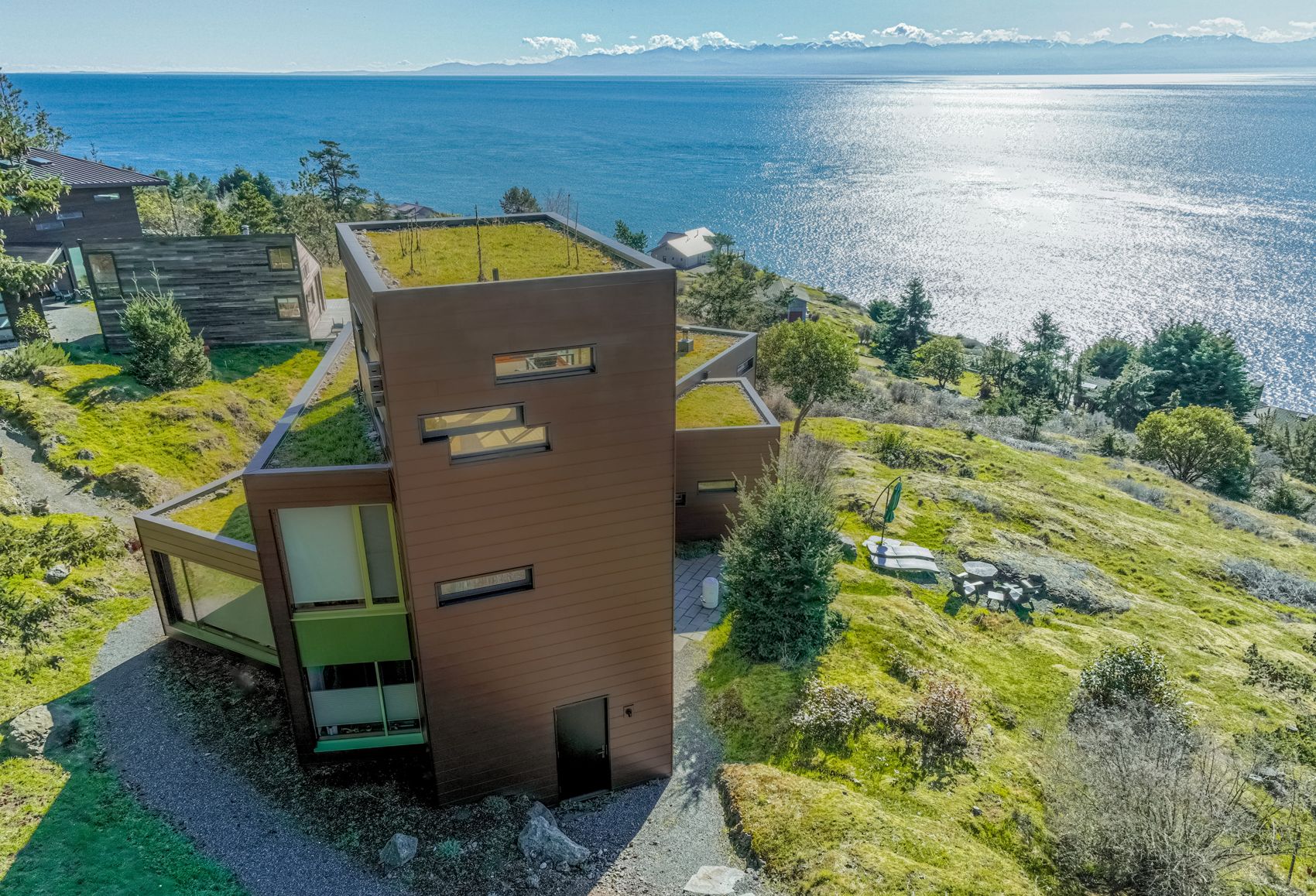
A quote that's easy to compare later is one that itemizes rather than bundles everything into a single number. At minimum, a Lake Whatcom siding quote should spell out:
Alpine Exteriors builds Whatcom County quotes around this same breakdown, in part because it's the only way a homeowner can tell whether a lower bid is actually cheaper or just missing scope that will show up later as a change order.
When quotes come in with a wide spread, the difference is almost always in scope, not just markup. Start by lining up the siding product itself — a bid built around a thinner or lower-tier fiber cement plank isn't directly comparable to one specifying a heavier profile or factory-finished ColorPlus product, even if both say "James Hardie." Next, check how each contractor handles the unknowns: what's the process and rate if rotted sheathing turns up once the old siding is off, and is that spelled out in writing or just promised verbally? Ask whether the bid includes new house wrap and flashing or assumes the existing barrier is reused as-is, since reusing a compromised barrier in a wet climate like this one tends to cause problems years down the line rather than immediately.
It's also worth confirming that whoever is bidding the job holds an active Washington contractor license and carries liability insurance — a legitimate contractor should provide their license number without hesitation. Alpine Exteriors' Washington contractor license number is ALPINI751OW, and any homeowner comparing bids should ask every contractor for the same. Finally, get references or examples of similar jobs in the same general area — a home in Blaine or Birch Bay facing open wind off the water has different exposure than a sheltered lot in Lynden, and a contractor with actual experience on Lake Whatcom or the surrounding shoreline communities will usually flag site-specific issues that a purely inland crew might miss.
Fiber cement siding is a significant exterior investment, and most homeowners in this area pay for it through some combination of savings, a home equity line of credit, or a contractor-arranged financing plan. If financing through the contractor, read the terms closely — promotional zero-interest periods can be a good fit for a project paid off within that window, but the deferred interest structure some plans use can be costly if the balance isn't cleared in time. It's worth comparing that offer against a home equity line from your own bank or credit union before committing.
On the insurance side, full siding replacement is not typically something a homeowner's policy pays for outright, since normal wear, moisture intrusion, and aging siding are considered maintenance issues rather than a single covered event. That said, if a windstorm or fallen tree limb causes sudden, identifiable damage to a section of siding, that specific repair may be worth a claim — talk to your insurer before assuming either way. Homeowners doing a full re-side sometimes also ask their insurance agent whether upgrading to fiber cement affects their premium, since it's a more fire- and moisture-resistant material than wood or vinyl in some underwriting models; results vary by carrier, so it's a question for your agent rather than something to assume.
Fiber cement material and installation labor both run higher than vinyl, largely because the boards are heavier, require different cutting tools and fastening methods, and typically take a more experienced crew to install correctly. In a climate with as much sustained rain as Whatcom County sees, many homeowners consider the tradeoff worthwhile because fiber cement holds up better against moisture, moss, and the freeze-thaw cycles that affect trim and caulking on wood and vinyl siding over time — but it is a real upfront cost difference, not a marketing claim.
It can, and around Lake Whatcom that's more common than in drier regions because trapped moisture behind old wood siding often isn't visible until the material is removed. A reasonable quote should already spell out how repair costs for rotted sheathing or framing are handled — ideally with a stated per-unit rate — so that a change, if needed, isn't a surprise number pulled out of thin air.
Depending on the scope of the project and how much of the wall assembly is opened up, a full re-side can bring parts of the wall under current Washington State Energy Code requirements, which may call for additional insulation or air-sealing beyond simply swapping old siding for new. A contractor familiar with local permitting should flag this during the estimate rather than after the permit is pulled.
Timelines depend heavily on home size, access, and how much repair work is uncovered, and lake-lot homes with steep driveways or limited staging space can take longer than a similar-sized home on a flat, easy-access lot. Weather is also a factor — the region's extended rainy stretches can pause exterior work for safety and material-handling reasons, so a contractor's estimated timeline should build in some flexibility rather than promising a fixed number of days regardless of conditions.
The only way to know what a James Hardie siding project actually costs on a specific Lake Whatcom property is to have someone look at the walls, the access, and the condition of what's underneath the existing siding. Alpine Exteriors serves Bellingham, Ferndale, Lynden, Blaine, Birch Bay, Sudden Valley, and the surrounding islands, and provides itemized written quotes so homeowners can see exactly what's included before deciding. If you're weighing a re-side around Lake Whatcom or anywhere else in Whatcom County, reach out to Alpine Exteriors for a site visit and a detailed, no-surprises estimate.