
Homeowners in the Columbia neighborhood of Bellingham ask the same question almost every time we walk a job: what is this actually going to cost? It's a fair question, and it deserves an honest answer instead of a single number pulled out of the air. Siding replacement cost in Whatcom County swings widely from house to house because two homes that look nearly identical from the street can hide very different problems once the old siding comes off. A century-old bungalow near the Columbia waterfront with original wood lap siding is a different project than a 1990s daylight basement rambler in the same zip code, even if both are roughly the same square footage. This page walks through the real range you should expect, what causes a bid to land at the low end or the high end, what a trustworthy quote should spell out, and how to compare bids without getting fooled by a low number that hides missing scope.
For a typical single-family home in the Columbia area, full siding replacement generally lands somewhere in the range of the mid five figures for a straightforward one-story home with minimal repair needed, up to the high five figures or more for a larger two-story home with significant wall damage, complex trim, or premium materials. That is a wide window on purpose — it reflects the real variation we see between houses in this part of Bellingham, not a marketing range designed to look impressive. A small addition or single-elevation repair after localized rot might run a few thousand dollars. A full re-side of a large home with extensive sheathing replacement can run well beyond the upper end of that range. Nobody can responsibly give you a number without a walk-around and, in most cases, removing a section of the existing siding to see what's underneath.
| Cost Factor | Tends Toward Low End | Tends Toward High End |
|---|---|---|
| Wall condition under old siding | Dry sheathing, no rot found | Soft sheathing, rotted studs, hidden water damage |
| House size and stories | Single-story, simple rectangular footprint | Two-story with dormers, bump-outs, multiple gables |
| Siding material chosen | Standard vinyl or basic fiber cement panel | Cedar shake, board-and-batten, mixed-material accents |
| Trim, corners, and detail work | Minimal trim, few windows | Heavy trim package, many window and door returns |
| Access and site conditions | Flat lot, easy staging | Steep Sudden Valley-style grade, tight lot lines, tall walls |
| Moisture barrier and code upgrades | Existing barrier meets current standards | Full weather-resistive barrier replacement to meet Washington State Energy Code |
| Tear-off and disposal | Single layer of old siding | Multiple layers, or hazardous old materials requiring special disposal |
Whatcom County's climate is the single biggest hidden factor in every siding estimate we write. This part of Washington gets a lot of persistent, low-intensity rain rather than short heavy storms, and wind-driven rain off Bellingham Bay and the Strait of Georgia pushes moisture sideways into wall assemblies in a way that drier climates never have to deal with. Add in the deep shade many Columbia lots get from mature trees, and you get ideal conditions for moss and algae to colonize siding, gutters, and north-facing walls year-round. None of that is cosmetic once it's been going on for years. Moss holds moisture against the siding surface, and sustained moisture is what eventually leads to wood rot in the sheathing and framing behind it. That's why the single biggest swing factor in any quote is what we find once the old siding comes off, not the siding material itself.
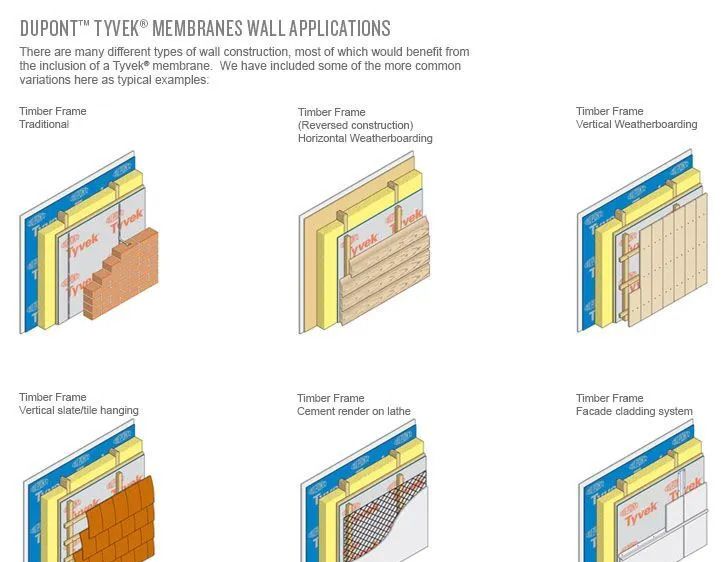
A quote that's just a single total number isn't useful to you, and it isn't something you should sign. At minimum, a siding estimate for a Whatcom County home should break out material and labor separately, specify the exact product line and gauge or thickness being installed, and state whether tear-off and disposal of the old siding is included or billed separately. It should also address what happens if rot is found once the old siding is removed — ideally with a stated per-square-foot or per-hour rate for sheathing and framing repair, so you aren't negotiating pricing under pressure mid-project. The quote should specify what moisture barrier or house wrap product is going in behind the new siding, since this is the layer that actually protects your walls from wind-driven rain, and it should note whether flashing at windows, doors, and roof-to-wall intersections is being replaced or reused. Finally, it should include a start window and rough completion timeline, since our rainy season can push schedules and you deserve to know that up front rather than discover it later. Alpine Exteriors writes every estimate this way, because a homeowner who understands what they're buying makes a better decision than one who's just comparing bottom-line numbers.
The instinct to go with the lowest bid is understandable, but in siding work the lowest number is often the one that's quietly excluded the most scope. When you have two or three quotes in hand, line them up by the same categories: material and brand, tear-off and disposal, moisture barrier product, flashing work, trim scope, and how rot repair is priced. A bid that's dramatically lower than the others usually means one of those items has been left out or assumed away, not that the contractor found a cheaper way to do the same job. Ask each contractor directly whether they're pulling a permit where one is required, whether they carry liability insurance and are willing to show proof, and how they handle change orders if hidden damage is found. Also ask what warranty applies to labor versus what the manufacturer covers on materials — those are two different things, and a contractor who's vague about the difference is worth a second look. It's also reasonable to ask how long the company has worked in Whatcom County specifically, since a crew unfamiliar with our moisture patterns is more likely to under-spec the moisture barrier or skip flashing details that matter here even if they'd be fine in a drier climate.
Siding replacement is rarely an impulse purchase, and most homeowners in Bellingham, Ferndale, and Lynden pay for it through some combination of savings, a home equity line, or a contractor-arranged financing plan. If a contractor offers financing, read the terms closely — promotional zero-interest periods can convert to high retroactive interest if the balance isn't paid off in time, so know the real terms before you sign. On the insurance side, siding replacement due to normal wear, moss, or age-related rot is typically not something homeowners insurance covers, since that's considered a maintenance issue rather than a sudden loss. If your siding was damaged by a specific event — a fallen tree limb during a windstorm, for example — that portion of the damage may be covered, and it's worth a call to your insurance agent before work starts so any covered repair can be documented and photographed separately from the rest of the project. Don't assume coverage either way; confirm it in writing with your carrier.
It depends heavily on house size, material choice, and what condition the walls are in underneath the existing siding. A simple single-story home in good condition sits toward the lower end of the typical range, while a larger two-story home with rot repair and premium materials sits toward the higher end. The only way to get a real number for your house is an in-person estimate.
A good contractor gives you a firm quote based on what's visible and disclosed, but siding jobs can change once old material comes off and the sheathing is exposed. That's why it matters to ask up front how rot or hidden damage is priced, so a change in scope doesn't turn into a surprise change in price.
Yes. Contractors here plan tear-off work around drier stretches because exposed sheathing needs to stay protected from rain during the swap. Scheduling in the wetter months can mean more lead time or added costs for weather protection, while summer and early fall tend to have more predictable timelines.
Both have a place here. Vinyl is generally the lower upfront cost option and holds up reasonably well, but fiber cement tends to resist moss and moisture-related wear better over the long run in a climate as wet as ours. The right choice depends on your budget, your home's style, and how long you plan to own the house.
The only way to turn these ranges into a real number for your house is a walk-around estimate that accounts for your home's size, current siding condition, and any signs of moisture damage. Alpine Exteriors is a licensed Washington contractor (ALPINI751OW) serving Bellingham, Ferndale, Lynden, Blaine, Birch Bay, Sudden Valley, and the surrounding islands, and we write estimates that break out material, labor, and repair scope so you know exactly what you're paying for before any work begins. If you're weighing a siding replacement in Columbia or anywhere else in Whatcom County, reach out to Alpine Exteriors for an on-site look and a written quote built around your home, not a generic average.