
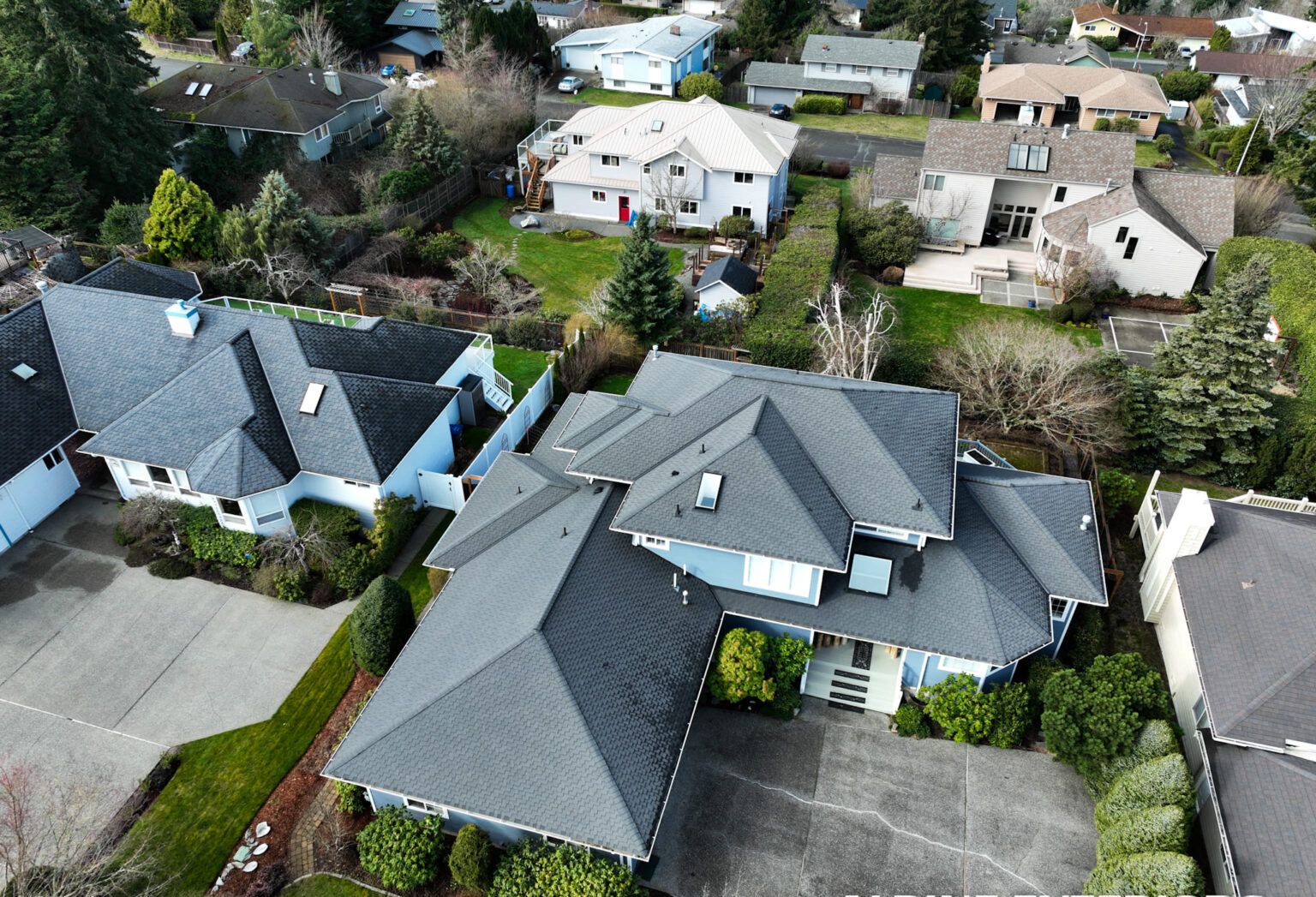
Geneva sits on the north end of Lake Whatcom, tucked between the wooded foothills and the water, a few minutes from Sudden Valley and a short drive into Bellingham. It's a beautiful spot to own a house, and it's also a hard spot on siding. The lake holds moisture in the air long after a storm has passed, the tree cover keeps roofs and walls shaded and damp, and the same wind-driven rain that comes off Bellingham Bay and the Strait of Georgia gets funneled up the lake basin during fall and winter storms. Homeowners here ask us for a number before they ask us for anything else, which is fair. This page walks through realistic ranges for siding replacement in Geneva and the rest of Whatcom County, what actually pushes a project toward the low end or the high end, and how to read a quote so you're comparing apples to apples.
One thing up front: we're not going to hand you a single "average price" figure, because for a full siding tear-off and replacement that number is close to meaningless. A 1,200 square foot rambler with flat walls and a 20-year-old cedar T-111 exterior is a different job than a 2,600 square foot two-story with dormers, a wraparound deck, and hidden rot behind the trim. What follows are ranges, and where your project lands inside them depends on the factors below.
For most single-family homes in the Geneva and greater Lake Whatcom area, a full siding replacement, meaning tear-off of the old material, repair of any sheathing or framing damage found underneath, house wrap, and installation of new siding and trim, tends to fall into a broad low-to-high range depending on the material chosen and the condition of what's underneath. Fiber cement and quality vinyl sit toward the middle of the market, engineered wood and steel siding land a bit higher, and real cedar or a full architectural upgrade, including new trim profiles, board-and-batten accents, or stone veneer wainscoting, pushes toward the top. Spot repairs, such as replacing a damaged section, fixing a rot pocket around a window, or re-siding one wall that took the brunt of a storm, cost far less than a full replacement but still carry a real minimum because of mobilization, matching material, and moisture repair.
| Cost Factor | Typical Low | Typical High | Why It Swings |
|---|---|---|---|
| Siding material (vinyl, fiber cement, engineered wood, cedar, steel) | Lower end: vinyl | Higher end: cedar, steel panel, or high-end fiber cement profiles | Material cost per square, plus trim and accessory pricing that goes with each system |
| House size and wall complexity | Simple single-story, flat walls | Multi-story with dormers, bump-outs, and steep gables | More corners, cuts, and staging time per square foot installed |
| Tear-off and disposal of old siding | Single layer, easy access | Multiple layers or older siding requiring special handling | Labor hours and disposal fees scale with layers and material type |
| Sheathing and framing repair | Little to no rot found | Extensive rot from long-term moisture intrusion | Wood rot behind old siding is common on shaded, lake-adjacent lots and isn't priced until walls are opened |
| House wrap, flashing, and moisture detailing | Standard wrap and flashing package | Upgraded rain-screen or drainage plane system | Wind-driven rain exposure on lake and bay-facing walls often justifies the upgrade |
| Trim, fascia, and accent work | Reuse or simple repaint of existing trim | Full trim replacement with custom profiles | Trim condition and design ambition both add labor and material |
| Access and site conditions | Flat lot, easy staging | Steep slope, limited driveway access, close tree cover | Common around Lake Whatcom and Sudden Valley lots built into the hillside |
Notice that material is only one line in that table. On a lot like the ones common around Geneva, sloped, treed, and close to the water, access and hidden moisture damage often move the final number more than the siding brand does.
A few conditions specific to this part of Whatcom County show up in almost every estimate we write for the Lake Whatcom area:
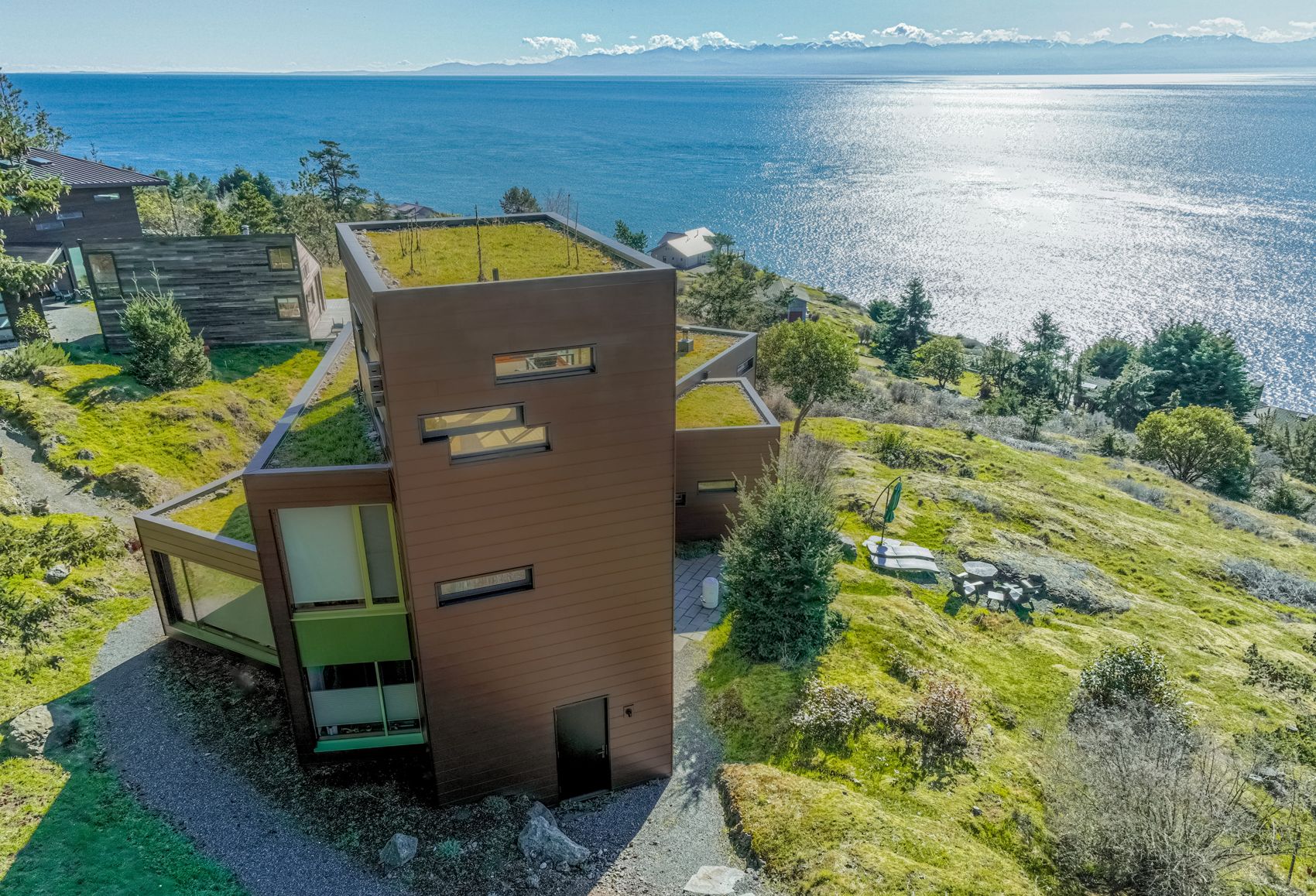
A siding quote worth trusting should spell out more than a bottom-line number. At minimum, look for it to itemize:
Alpine Exteriors writes quotes this way deliberately, because a vague number is where change-order surprises come from later. If a bid you're comparing doesn't break these out, ask for the breakdown before you sign anything. A contractor who can't or won't itemize the work is telling you something.
The lowest number on paper is not automatically the best deal, and the highest isn't automatically the most careful contractor. A few practical checks:
Siding replacement is a significant expense, and most homeowners in the Geneva area either finance part of the project or explore whether insurance covers any of it. A few honest notes on both:
Financing options for exterior remodeling generally include contractor-arranged financing plans, home equity lines of credit, and general home improvement loans through a bank or credit union. Terms, rates, and qualification vary a lot by lender and by your credit profile, so it's worth getting at least two financing quotes just as you would get multiple siding quotes. A contractor's in-house financing partner isn't automatically the cheapest option, but it can be the most convenient.
On the insurance side, siding replacement due to ordinary age, moss staining, or gradual wood rot from long-term moisture exposure is typically considered maintenance and is not something a homeowner's policy covers, since insurers generally draw a hard line between sudden, accidental damage and gradual deterioration. Where insurance can come into play is siding damage from a specific, documented event, such as a wind storm that tore panels loose, a fallen tree limb, or impact damage. If you suspect storm damage rather than general wear, document it with photos as soon as you notice it and talk to your insurer before committing to a full replacement, since the claim process and the repair scope can affect each other.
Timelines depend heavily on house size, weather windows, and how much rot repair turns up once the old siding is removed. A straightforward single-story home in dry weather moves faster than a larger, multi-story home where crews have to stop and repair sheathing before the new siding can go on. Because this area sees a real rainy season, scheduling around forecast windows also affects how quickly a project moves along, and a contractor who pads the timeline for weather is usually being realistic rather than slow.
It depends on the scope of the work and the jurisdiction. Unincorporated Whatcom County, Bellingham, and smaller municipalities each have their own permit thresholds, and work that involves structural sheathing repair or changes to the building envelope is more likely to require a permit than a straightforward like-for-like re-side. A contractor familiar with the local permitting process should be able to tell you up front whether your project needs one and should handle the application rather than leaving it to you.
Both can perform well here when installed correctly, but they have different tradeoffs. Fiber cement holds up well against moisture and doesn't feed mold or moss the way some organic materials can, but it's heavier, generally costs more installed, and needs periodic repainting or a quality factory finish. Vinyl is lighter and lower-maintenance on the finish side, but on a shaded, damp lot it's worth paying attention to ventilation behind the panels so moisture doesn't get trapped. The right choice depends on your home's exposure, your maintenance preferences, and your budget more than on one material being universally superior.
Ask to see it before it's covered up, and ask for photos if you can't be on site. A reputable contractor will show you the extent of the damage, explain the repair, and give you a clear price for that repair before proceeding. This is exactly the scenario an itemized quote and a clear rot-repair pricing policy should have already prepared you for. Alpine Exteriors documents rot findings with photos as standard practice specifically so homeowners aren't asked to trust a number they can't verify.
Every lot around Geneva and Lake Whatcom is a little different. Some catch more wind off the water, some sit deep enough in the trees to stay damp most of the year, and some have had siding issues quietly building for a decade behind a coat of paint. A general cost range is a useful starting point, but the only way to know where your specific home lands in it is to have someone look at the walls, the trim, and the exposure in person. Alpine Exteriors serves Geneva along with Bellingham, Ferndale, Lynden, Blaine, Birch Bay, Sudden Valley, and the islands, and can walk your property, point out what we see, and put together an itemized quote you can actually compare against others. If you're weighing siding replacement, that on-site look costs you nothing but the time it takes to point out what's worrying you.