
The York neighborhood sits close to downtown Bellingham and Bellingham Bay, which means its older housing stock takes a steady beating from wind-driven rain, salt-tinged air off the water, and the shade-and-moisture combination that keeps moss and algae established on north-facing walls most of the year. Homeowners in York asking about siding replacement usually want two things: an honest price range and a clear explanation of why their neighbor's quote came in different from theirs. This page covers both, drawing on what actually drives siding costs in this specific pocket of Whatcom County rather than national averages that don't reflect our climate or our housing.
Siding replacement costs vary more than most homeowners expect, and in York specifically the spread is wider than in newer subdivisions because so many homes were built decades ago with materials, framing, and trim details that don't match today's standard products. Expect a full tear-off and re-side on an average York home to land somewhere in the broad middle range once you account for material, labor, and the sheathing repairs that older homes here almost always need. Smaller homes with simple rooflines run toward the lower end of any range; larger homes, homes with a lot of trim and dormers, or homes with existing wood rot will land higher — sometimes well above initial estimates once the old siding comes off and the sheathing underneath is exposed.
| Cost Factor | Low End | High End |
|---|---|---|
| Vinyl siding, straightforward one-story home | Lower | Moderate |
| Fiber cement (James Hardie-style) siding | Moderate | Higher |
| Cedar or engineered wood siding | Moderate-high | Highest |
| Sheathing/rot repair (per area affected) | Adds moderate cost | Adds significant cost |
| Full tear-off vs. install over existing siding | Install-over is cheaper | Tear-off costs more but is usually the honest recommendation |
| Trim, fascia, and window flashing work | Modest add | Can add substantially on older York homes |
| Two-story or complex roofline (extra scaffolding/labor) | Moderate add | Significant add |
These are ranges, not quotes. No two houses in York are priced the same, and any contractor who gives you an exact number over the phone without seeing the house is guessing.
A handful of factors explain most of the difference between a low bid and a high one on the same house.
A usable quote is a document you can actually compare to another company's, not a one-line price. At minimum it should spell out:
Alpine Exteriors writes quotes to this level of detail because a vague estimate is where cost surprises come from later. If a bid you're comparing skips several of these items, ask why before you sign anything.
The lowest number on paper is rarely the best value once you account for what's actually included. When comparing bids for a York home, line up material specifications side by side first — a vinyl quote and a fiber cement quote aren't comparable numbers even if they're for the "same" job. Next, check whether each bid assumes tear-off or install-over; a cheap install-over bid next to an honest tear-off bid isn't an apples-to-apples comparison. Ask each contractor directly how they handle rot discovered mid-project, and get that answer in writing — a change-order process that's vague verbally but clear on paper protects both sides. Confirm each company is licensed to work in Washington and carries current insurance; ask for the license number and verify it rather than taking it on faith. Alpine Exteriors holds Washington contractor license ALPINI751OW, and that number is verifiable through the state's contractor lookup. Finally, ask how long the crew has been working specifically in Whatcom County — familiarity with our rain patterns, moss growth, and older housing stock in neighborhoods like York shows up in the quality of the prep work, which is the part homeowners can't see once the new siding goes up.
Most siding replacement in York is treated as a maintenance and improvement project rather than an insurance claim, since ordinary wear, moss damage, and gradual moisture intrusion are typically excluded from homeowners insurance policies — those are considered maintenance issues, not sudden covered losses. If a specific event caused damage, such as a fallen tree limb during a windstorm, that portion of the repair may be a legitimate claim; it's worth a conversation with your insurance agent before assuming a full re-side will be covered. For the maintenance-driven majority of projects, financing options through the contractor or a third-party lender are common ways to spread the cost, and many homeowners choose to phase a project — starting with the sides most exposed to weather — if budget is a constraint. Ask any contractor you're considering what financing partners they work with and what the actual terms are, including interest rate and length, before treating a monthly payment figure as the full cost of the project.
The biggest source of variation is what's assumed about the condition underneath the existing siding. A contractor who inspects closely and budgets for likely rot repair, proper flashing, and full tear-off will often quote higher up front than one who assumes a straightforward install-over job — but the second bid is more likely to grow once the crew starts and finds what the first contractor already anticipated.
Not necessarily. Surface moss and algae on shaded walls, which is common throughout York, can sometimes be cleaned and treated rather than requiring replacement, especially on siding that's otherwise sound. The concern is moss that's been left long enough to trap moisture against the siding and framing — that's a case-by-case call a contractor should make after a close inspection, not from the street.
It depends on your priorities. Fiber cement generally holds up better against long-term moisture exposure and takes paint well, which matters given how much of the year York stays damp, but it costs more up front and requires professional installation. Vinyl is more budget-friendly and low-maintenance but can look out of place on some of York's older architectural styles and has less tolerance for impact damage. Neither is a wrong choice — it's a tradeoff between budget and long-term appearance.
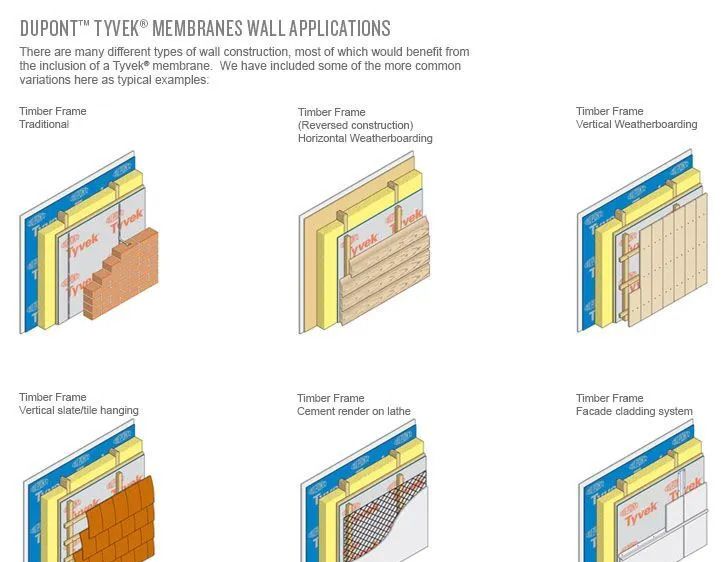
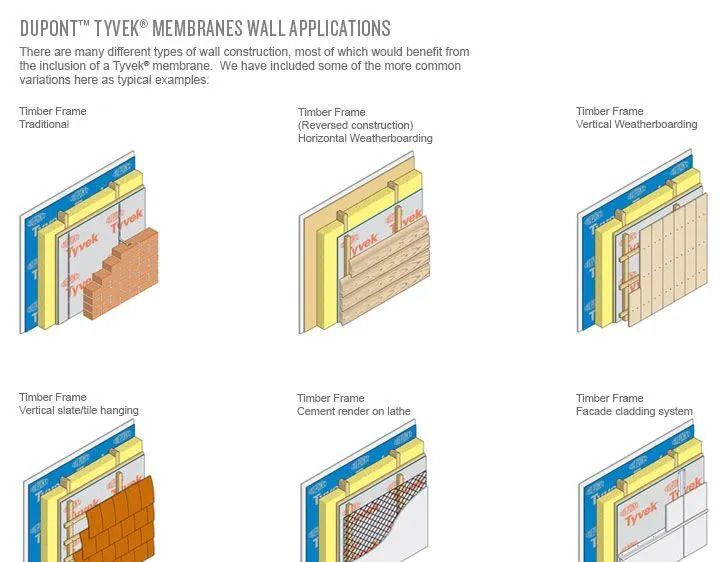
A full re-side is one of the few times the wall assembly is fully exposed, which makes it a practical opportunity to address insulation continuity and vapor barrier detailing consistent with Washington State Energy Code requirements for exterior walls. It doesn't necessarily add significant cost, but it does mean the installation sequence matters — house wrap, flashing, and insulation should be addressed in the right order, not just covered up with new siding.
Ranges are a starting point, not a substitute for someone looking at your actual walls, trim, and roofline. Alpine Exteriors serves York, downtown Bellingham, and the rest of Whatcom County — including Ferndale, Lynden, Blaine, Birch Bay, Sudden Valley, and the islands — and can walk your property, check for the moisture and rot issues that are common in this area, and put together a detailed, itemized quote you can actually compare against other bids. Reach out to schedule an on-site inspection and get a price range specific to your home, not a national average.