
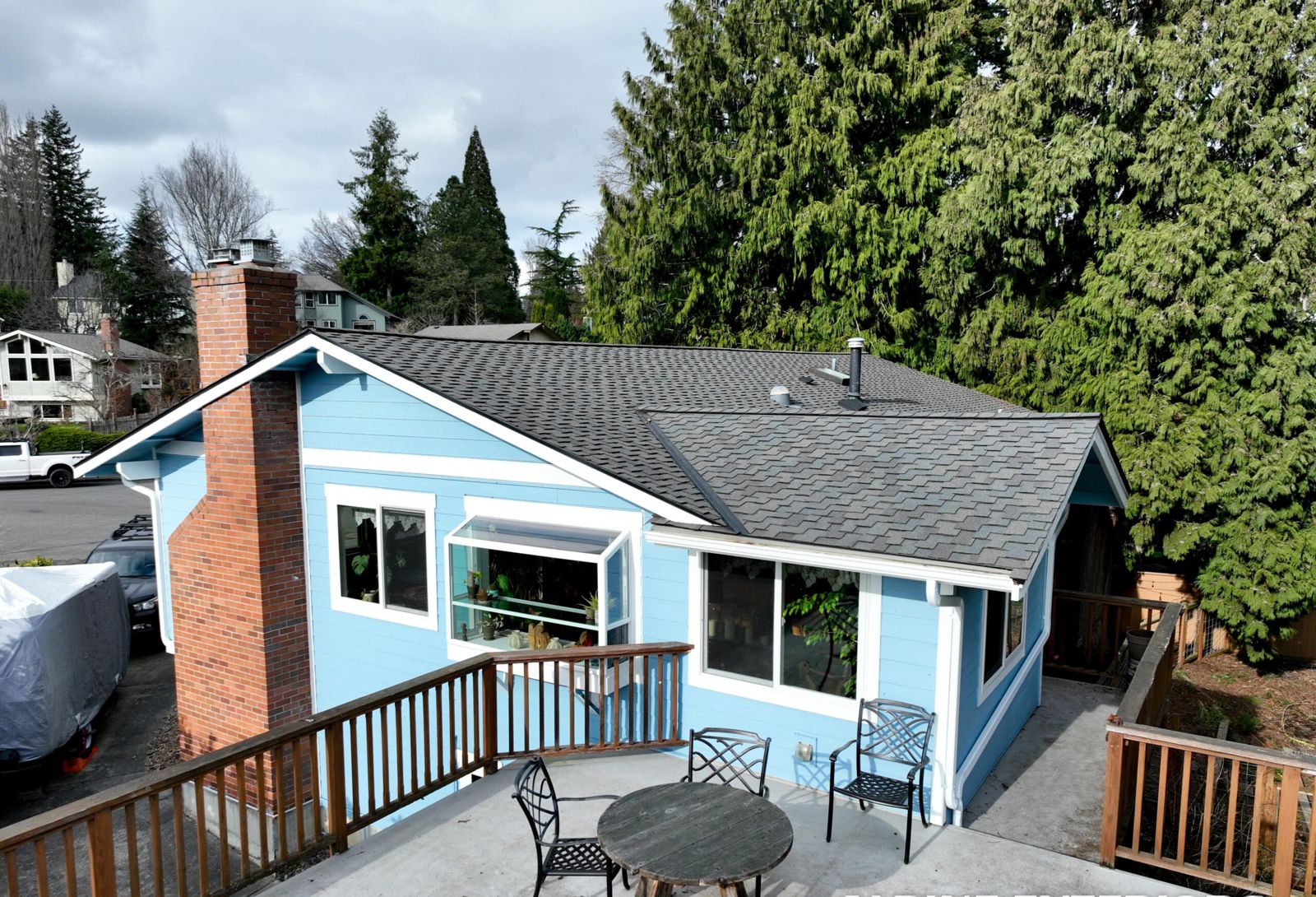
Sudden Valley is one of the shadiest, wettest microclimates in Whatcom County. The gated community wraps around the south and east shores of Lake Whatcom under a heavy canopy of fir, hemlock, and cedar, and that combination of tree cover, lake-basin humidity, and the valley's own drainage patterns means exterior siding here works harder than siding on an open lot closer to Bellingham Bay. When homeowners start pricing a replacement, most of what turns up online is built around a generic national average, not a shaded lake-community lot with sixty-foot conifers standing a few feet off the wall. This page lays out a realistic cost range for siding replacement in Sudden Valley, what actually pushes that number up or down, what belongs in a legitimate quote, and how to compare bids so you are weighing the same scope of work rather than apples against oranges. Alpine Exteriors put this together from work across Whatcom County, including a fair number of jobs inside Sudden Valley itself, so the ranges below reflect this specific setting rather than a national estimate.
For a typical single-family home in Sudden Valley, full siding replacement tends to land somewhere in the broad range of the high five figures to low six figures once material, tear-off, moisture repair, and trim work are all included, with the low end fitting a smaller, simpler vinyl re-side on a home with sound sheathing and the high end covering a larger fiber cement or wood re-side with rot repair and multiple stories of hillside access. That is a wide window on purpose. A lakefront home with a walkout basement and three exposed elevations costs meaningfully more to re-side than a single-story rambler set back from the water on a flat interior lot, even if both homes are roughly the same square footage. The only way to narrow the range for a specific house is a walk-around that checks the sheathing, the number of corners and penetrations, and how much of the old siding is hiding moisture damage underneath. Treat every number on this page as a planning range, not a quote for your house.
| Cost Factor | Low End | High End |
|---|---|---|
| Vinyl siding, standard profile, installed | Roughly $6 per square foot | Roughly $10 per square foot |
| Fiber cement lap siding, installed | Roughly $9 per square foot | Roughly $16 per square foot |
| Cedar or engineered wood siding, installed | Roughly $10 per square foot | Roughly $18 per square foot |
| Tear-off and disposal of old siding | Minor add-on for a single layer | Substantially more with layered siding or older, hazardous materials |
| Sheathing and rot repair | Little to nothing if walls test dry | Significant if rot is found around windows, decks, or roof-wall junctions |
| Weather-resistive barrier and rainscreen gap | Modest on a simple, low wall | Higher on multi-story or heavily detailed walls |
| Trim, flashing, and window and door detailing | Modest on a simple footprint | Significant on homes with many corners, dormers, or a wraparound deck |
| Access and site conditions | Minimal on a flat, open lot | Higher on steep, wooded, or lake-bank lots typical of Sudden Valley |
A handful of factors do most of the work in pushing a Sudden Valley quote toward the top or bottom of the range above.
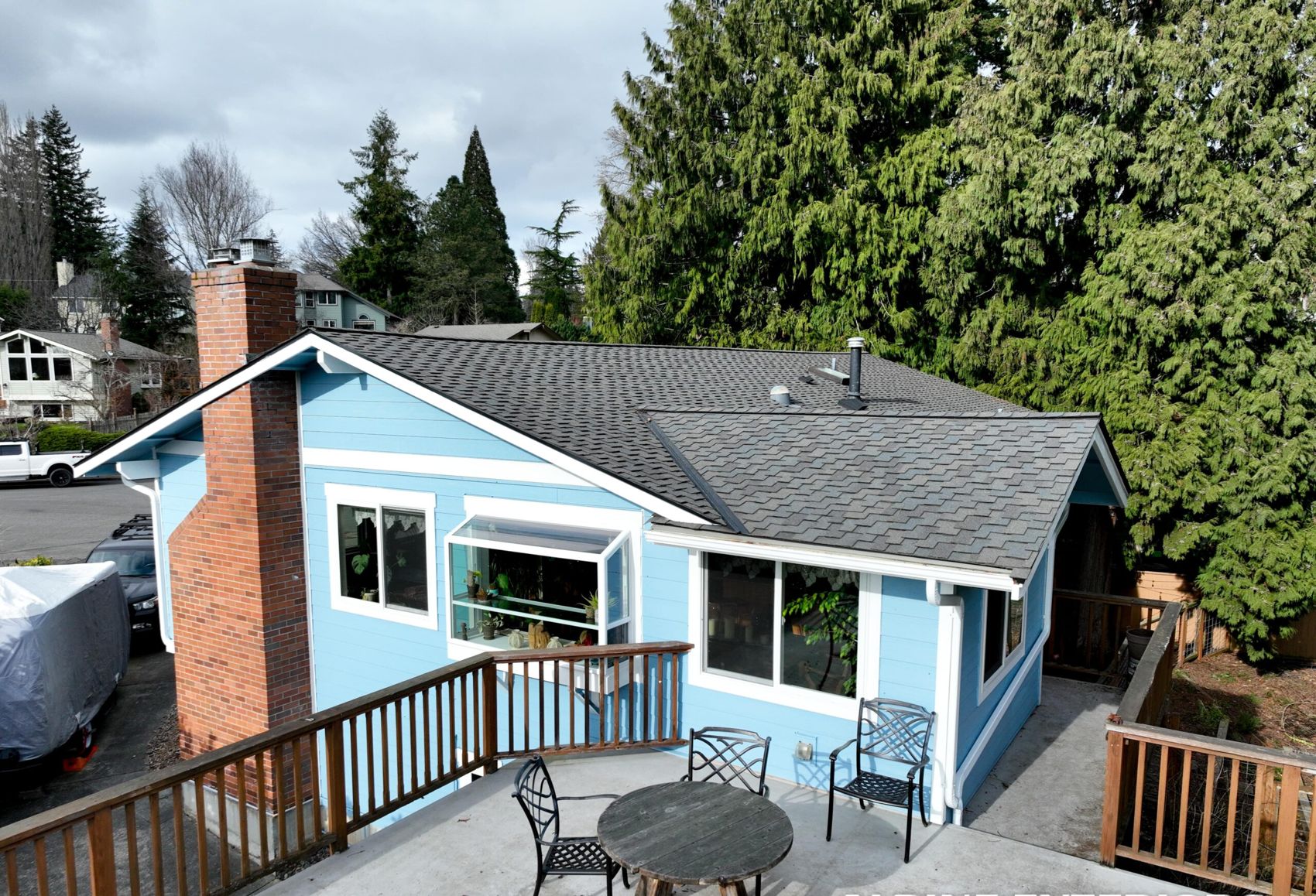
A complete, honest quote for a Sudden Valley re-side should spell out each of the following rather than bundling everything into one lump number:
The fastest way to make sense of bids that look wildly different is to check whether they are actually describing the same job. A quote that comes in noticeably lower than the others is often missing something rather than offering a better deal: it might exclude tear-off, assume no rot repair, use a thinner rainscreen system or none at all, or skip trim and flashing detail that a more thorough bid includes as a line item.
It is also fair to ask each contractor how they plan to sequence work around the wet season. A crew with a clear plan for weather protection, drying time, and scheduling around rain is generally more realistic about timeline than one that promises a fast turnaround regardless of forecast.
Most homeowners paying for a full re-side use some combination of savings, a home equity line of credit, or financing offered directly through the contractor or the siding manufacturer. Terms and qualification vary by lender and by each contractor's own financing partners, so it is worth getting actual terms in writing rather than relying on a rough monthly-payment estimate from a sales conversation.
On the insurance side, it helps to separate two different situations. Routine deterioration, such as moss staining, sun-faded paint, or wood rot that developed gradually over years, is generally treated as a maintenance issue and is not something homeowners insurance is designed to cover. Sudden, specific damage, like a fallen limb that cracks siding during a windstorm, is a different category and may be covered depending on the policy, in which case documentation matters. Photograph the damage before any repair work begins, keep the contractor's written estimate, and loop in your insurance adjuster before work starts if you believe a specific storm event caused the damage. If the same job also involves opening the wall for repair or energy-code-related insulation work, it is worth asking your utility whether any weatherization incentive currently applies, since availability and terms change from year to year.
For a typical single-family home, plan on a broad range from the high five figures to low six figures depending on material, size, and how much rot repair the tear-off uncovers. Vinyl sits toward the lower end of that range, fiber cement and wood toward the higher end, and site access on a wooded or lake-bank lot can push either material up. A walk-around is the only way to get a number specific to your house.
Not always, but it is common enough on older Sudden Valley homes that it is worth budgeting a contingency for it. Rot tends to concentrate at window sills, deck ledgers, and roof-wall intersections where water collects. A quote with a stated per-square-foot repair rate, rather than a vague promise to handle it if it turns up, protects you from an open-ended change order once the old siding is off.
Both hold up to the wet climate when installed with a proper rainscreen gap and weather-resistive barrier; the real difference is mostly maintenance and appearance rather than durability. Vinyl costs less up front and does not need repainting, but it can look dated faster and is more prone to visible impact damage. Fiber cement costs more up front, holds paint longer, and tends to read as a more premium finish, but it needs periodic repainting or refinishing over time. Neither material is immune to moss under heavy tree cover; periodic cleaning is part of ownership either way.
Timeline depends more on weather windows and access than on the size of the house. Whatcom County's wet season limits good installation days, and a wooded, hard-to-access Sudden Valley lot can slow material staging compared to an open in-town lot. A straightforward single-story re-side might wrap in a couple of weeks of active work, while a larger or more complicated home, especially one needing significant rot repair or Community Association design approval before permits are pulled, can run considerably longer. Ask any contractor for a realistic schedule based on your specific site, not a generic estimate.
Every number on this page is a planning range, and the only way to turn it into a real figure is a walk-around of your specific home. Alpine Exteriors serves Sudden Valley along with the rest of Whatcom County, including Bellingham, Ferndale, Lynden, Blaine, and Birch Bay, and can walk your property, check the sheathing where it is accessible, and put together a written, line-item quote rather than a single lump number. If you are weighing options for a re-side around Lake Whatcom, reach out to Alpine Exteriors (Washington contractor license ALPINI751OW) for a site visit and a straightforward estimate you can compare against any other bid you collect.