
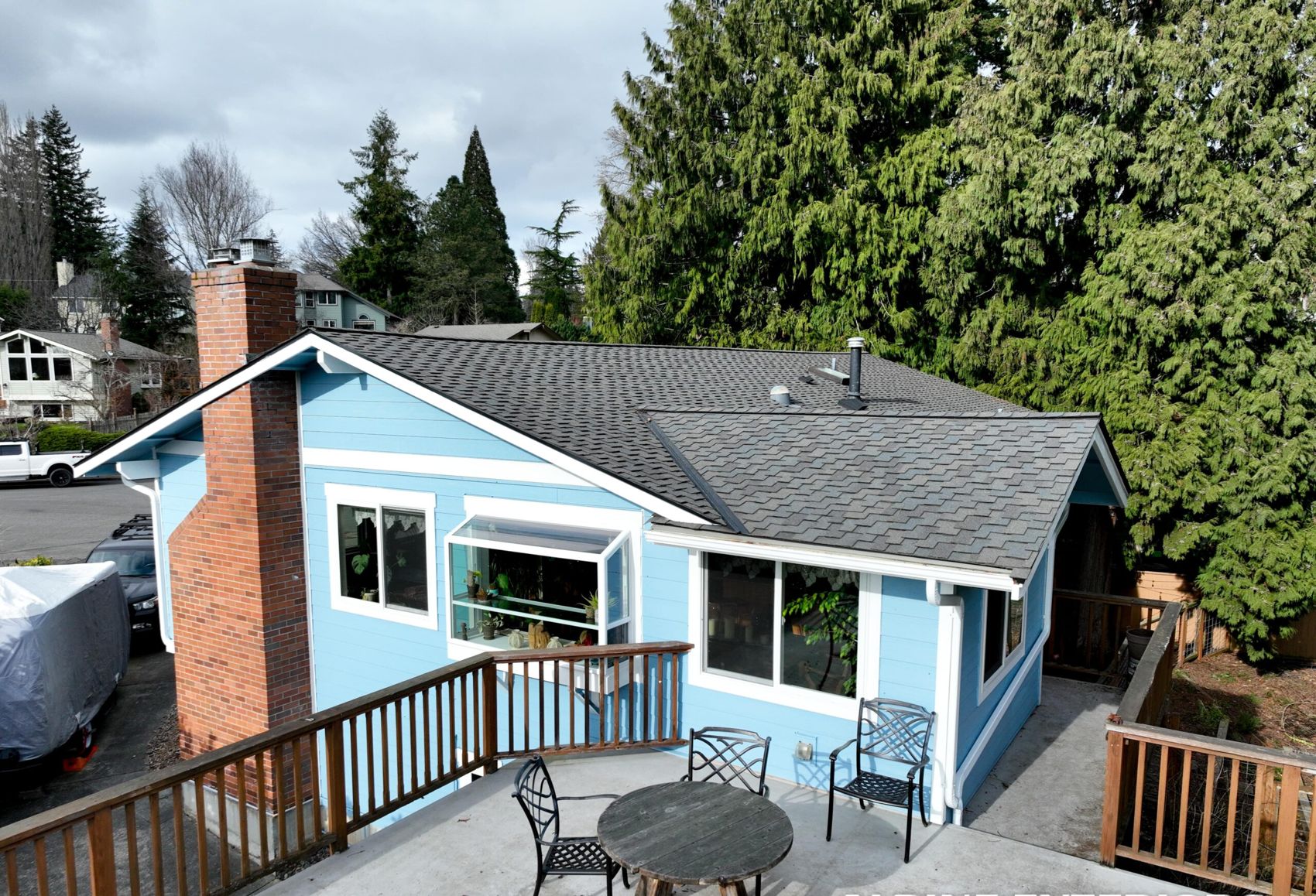
Cordata sits on the north side of Bellingham, close enough to the water that wind-driven rain off Bellingham Bay and the Strait of Georgia shapes how siding fails here — and how it needs to be replaced. Add the neighborhood's mix of older ranch-style homes, newer infill construction near the Cordata Parkway corridor, and mature landscaping that keeps north-facing walls shaded and damp, and you get a specific set of problems: moss and algae staining, soft trim around window heads, and hidden rot where old siding was never properly flashed. This page walks through what actually happens during a siding replacement project in this part of Whatcom County, in order, so you know what to expect before crews show up.
Most single-family siding replacements in Cordata run somewhere between one and three weeks of active work, not counting the weeks of lead time before the first nail goes in. A straightforward vinyl re-side on a one-story, 1,800-square-foot house with sound sheathing underneath might wrap in five to seven working days once the crew starts. A full fiber-cement replacement on a two-story home with rot repair, new house wrap, and trim work can stretch to two or three weeks. Whatcom County's rain pattern is the biggest variable — the region gets meaningful precipitation from October through April, and even summer months aren't guaranteed dry. A crew that plans for a two-week job in November should expect at least a few rain days where exterior work simply stops, because installing siding or house wrap over wet sheathing traps moisture instead of keeping it out.
It's worth being honest about this up front: any contractor who promises a fixed calendar date regardless of weather in this climate is either padding the estimate heavily or setting you up for a rushed installation. Alpine Exteriors builds weather buffers into scheduling rather than pretending Whatcom County rain doesn't exist.
Cordata is inside Bellingham city limits, so most siding replacement work requires a building permit through the City of Bellingham Permit Center rather than Whatcom County's permit office — the exception is minor like-for-like repair on small areas, which some jurisdictions exempt. Whether a permit is required, and what inspections it triggers, depends on the scope: a full tear-off and re-side that includes new sheathing or a change in wall assembly is treated differently than swapping panels on an already-sound wall. Any project that touches insulation, house wrap, or the wall's overall R-value has to meet the Washington State Energy Code, which sets minimum requirements for continuous insulation and air sealing on exterior walls — this matters more than people expect, because it affects what products and installation details are allowed, not just what's chosen for looks.
Some of the newer developments around Cordata Parkway and Kellogg Road have homeowners associations with architectural review requirements — color, material type, and sometimes even manufacturer have to be approved before work starts. Older, established blocks closer to Meridian Street generally don't have HOA oversight, but it's worth checking your covenants before ordering material, because a color change denied after purchase means re-ordering and re-waiting.
Material lead time is the other planning variable people underestimate. Fiber cement siding (James Hardie and similar products) is often stocked regionally and can arrive in one to three weeks, but specialty colors, ColorPlus finishes, or less common profiles can take longer. Vinyl siding is usually the fastest to source. Metal and specialty wood products tend to have the longest lead times, sometimes four to eight weeks, especially for custom colors or larger orders. None of this is instant, and a contractor who says material will show up in a few days for anything outside standard stock colors isn't giving a realistic answer.
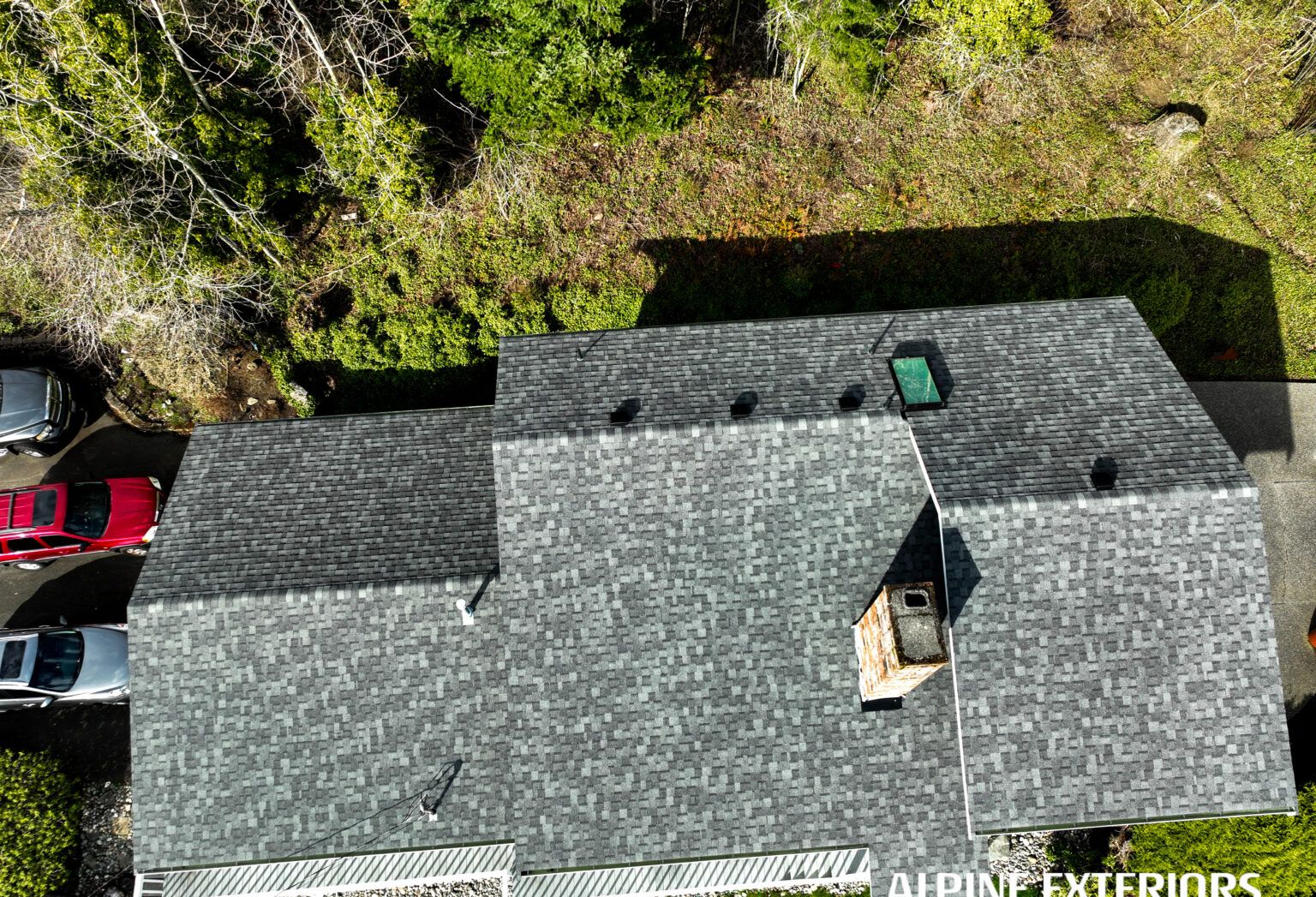
Every project has its own wrinkles, but a typical siding replacement in Cordata follows this sequence:
A few days of preparation on your end makes the job go faster and protects your property. Move patio furniture, potted plants, grills, and anything breakable at least ten feet from the exterior walls being worked on. Trim back shrubs and tree branches that touch the siding — crews need clear access, and overgrown landscaping is one of the more common causes of moss and algae buildup on walls in shaded Cordata lots to begin with. Take down anything hanging on exterior walls, including string lights, hose reels, and house numbers. If you have exterior-mounted security cameras, alarm sensors, or satellite equipment, let the crew know in advance so it can be temporarily relocated rather than damaged or disconnected without warning.
Inside the house, expect noise and vibration during removal and nailing, which can rattle wall-hung mirrors or shelves near exterior walls — it's worth taking those down too. Pets are usually better off elsewhere during active work, since gates and doors get propped open frequently for material and debris movement. If you have a driveway gate or need vehicle access maintained, flag that during scheduling so it isn't blocked by a dumpster or material staging.
If the project required a City of Bellingham permit, a final inspection is scheduled once siding, flashing, and trim are complete — this confirms the work meets code, including the energy code requirements tied to the wall assembly. Daily cleanup during the job should include magnetic sweeps for stray nails and screws in the yard and driveway, since these are a real hazard for bare feet, pets, and lawnmower and mower blades alike. At project completion, a full site cleanup removes debris, packaging, and equipment, and any covered landscaping or walkways get uncovered.
The final walkthrough is where the homeowner and crew lead go around the exterior together, checking sightlines, caulk lines, corner miters, and paint touch-ups. This is the right time to point out anything that doesn't look right — a slightly off panel reveal, a caulk line that needs cleaning up, a trim gap — before the crew demobilizes. Alpine Exteriors treats this walkthrough as a required step, not a formality, because problems are far cheaper to fix while the crew and equipment are still on site.
New siding in this climate still needs periodic attention. Because moss and algae growth is a near-universal issue on shaded, north-facing walls throughout Whatcom County, an annual soft wash (low-pressure, not a pressure washer aimed directly at seams) helps keep new siding looking clean and prevents organic growth from working into joints over years. Caulk joints around windows, doors, and trim should be checked yearly, since UV exposure and freeze-thaw cycling — more pronounced on properties near the foothills than right in town — can cause sealant to shrink and crack over time, opening a path for water.
Warranty coverage on a siding replacement typically has two parts: the manufacturer's product warranty, which varies by material and brand and is worth reading rather than assuming, and the contractor's workmanship warranty covering installation. Ask for both in writing before work starts, and understand what voids each one — improper cleaning methods and unauthorized modifications are common exclusions. Alpine Exteriors provides a written workmanship warranty on installation and helps homeowners register applicable manufacturer warranties, since a claim months or years later goes faster when the paperwork was filed correctly at the time of installation.
Most single-story homes take about one to two weeks of active work, and larger or two-story homes with rot repair can run two to three weeks. Whatcom County's rain pattern adds unpredictability, since house wrap and siding shouldn't go up over wet sheathing, so a stretch of rainy days can pause work for safety and quality reasons even after the crew has started.
It's common, especially on north- and west-facing walls that take the brunt of wind-driven rain off the bay and the Strait, and on older homes where flashing details were minimal by today's standards. Sheathing and framing can't be fully assessed until the old siding is removed, which is why estimates typically include a contingency allowance for rot repair rather than a fixed price that assumes nothing is wrong underneath.
In most cases, yes, through the City of Bellingham Permit Center, since Cordata is within city limits. Whether the permit is required and what it covers depends on the scope of work — projects that involve new sheathing, changes to the wall's insulation, or structural repair are more likely to trigger permitting and inspection than a straightforward like-for-like panel swap on sound walls.
Picking a material or color before checking HOA architectural requirements, where they apply, and before confirming lead times. Ordering a specialty color or profile without confirming availability can add weeks to a project that was otherwise ready to start, and in HOA neighborhoods around Cordata Parkway, an unapproved color choice sometimes has to be re-ordered entirely.
If you're weighing a siding replacement in Cordata or elsewhere in Whatcom County, Alpine Exteriors can walk your property, assess what's underneath the existing siding where visible, and put together a realistic scope and timeline that accounts for this region's rain, permitting process, and material lead times. Alpine Exteriors holds Washington contractor license ALPINI751OW and works throughout Bellingham, Ferndale, Lynden, Blaine, Birch Bay, Sudden Valley, and the islands. Reach out to schedule an on-site evaluation and get a written estimate before any work begins.