
Yes, but not always for the reason people expect. In Barkley Village and the rest of Bellingham, the danger usually isn't a single dramatic storm cracking a panel — it's water finding a gap that a windstorm opened up and then sitting there, unnoticed, through weeks of the region's normal drizzle.
A windstorm off Bellingham Bay rarely destroys siding outright. What it does is pry loose the small things that were already marginal: a nail that backed out over a few winters, a butt joint where caulking had already started to crack, a piece of trim flashing that was installed a little short. None of that is visible from the sidewalk. It becomes a problem three or four weeks later, after a stretch of the low-intensity, all-day rain Whatcom County is known for, when water that's been working its way behind a lifted panel finally reaches the sheathing.
That's the pattern worth understanding: wind opens the door, and persistent rain is what actually causes the damage. Homeowners who inspect right after a storm and see nothing wrong sometimes assume they're in the clear. In this climate, the more useful check happens a few weeks later, after the next round of steady rain, when a stain, a soft spot, or a patch of new moss will actually show itself.
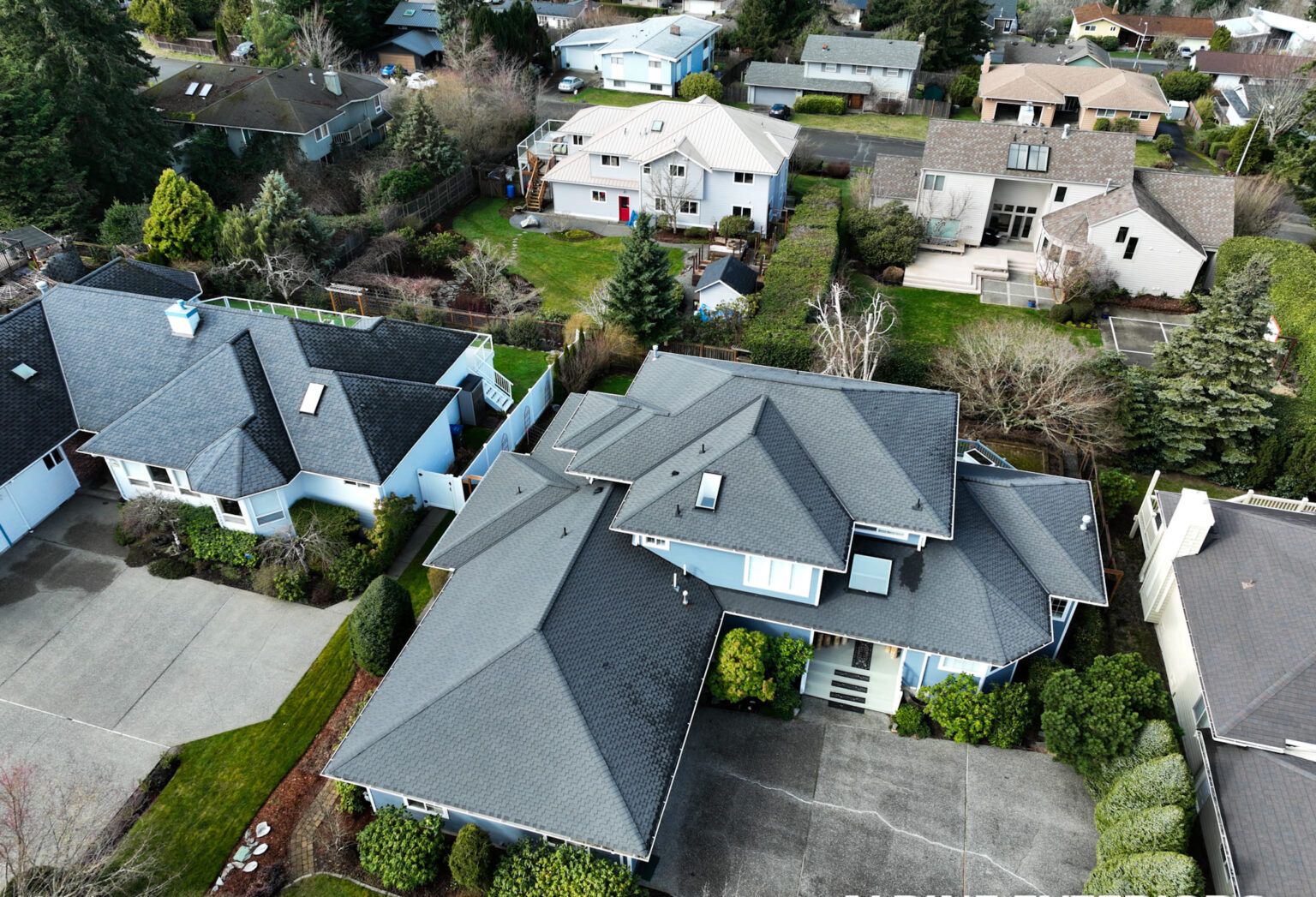
Barkley Village's mix of townhomes, condos, and newer single-family construction means a lot of the siding in the neighborhood is fiber cement or vinyl installed within the last two decades, often under an HOA maintenance schedule. That's generally a good position to be in — but shared walls and shared roof lines also mean water intrusion at one unit's flashing detail can show up as a stain two doors down, which complicates figuring out who's responsible for what.
Guides written for other parts of the country tend to focus on hail dents or hurricane-force wind uplift. Neither is the concern here. What actually drives siding failure in Whatcom County is a combination of a few specific, local conditions:
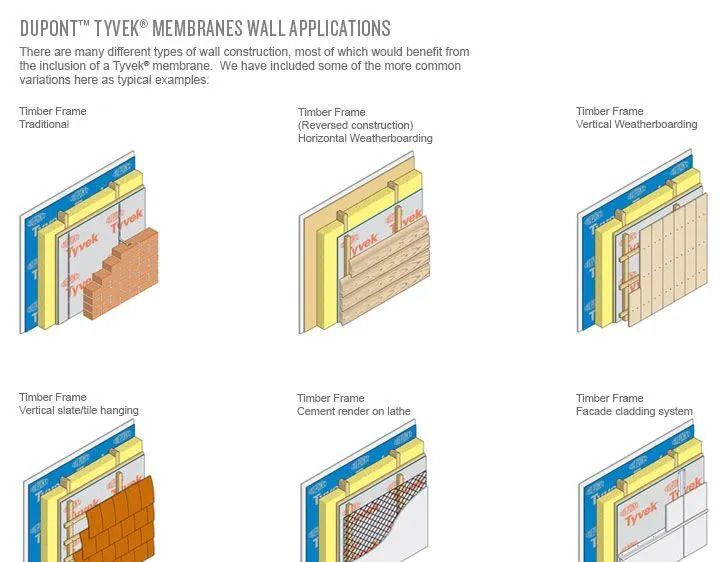
There's also a code angle that's easy to overlook. The Washington State Energy Code (WSEC) sets requirements for continuous insulation and air/moisture barrier detailing on many re-siding and remodel projects. If storm damage forces a section of wall open for repair, that repair may need to meet current WSEC provisions rather than simply matching what was there before — something worth asking about before assuming a repair is a like-for-like swap.
After any windstorm, or after the first sustained rain following one, walk the exterior of the house and look for specific things rather than just a general impression of damage:
If you own a condo or townhome in a Barkley Village HOA, check your governing documents before doing anything else. Exterior siding is very often the association's responsibility rather than the individual owner's, and repairs made outside that process can create disputes later, even if you were trying to help.
On insurance: most homeowners' policies in Washington cover sudden, storm-related damage to siding, but they typically exclude damage from long-term neglect, gradual wear, or preexisting rot that a storm simply exposed. That distinction matters a lot in a climate where slow-developing rot is common. Photograph everything as soon as you notice it, note the date of the storm you believe caused it, and don't wait weeks to file, since adjusters look closely at how quickly damage was reported and documented. It's also worth getting an independent contractor assessment before or alongside the insurance inspection — an adjuster's job is to evaluate the claim, not necessarily to catch every hidden issue behind the wall.
A written inspection from a licensed contractor is useful even if you don't end up filing a claim. It gives you a dated record of the siding's condition, which helps if damage in the same area shows up again after a future storm. Alpine Exteriors provides that kind of documented inspection for homeowners in Barkley Village and the rest of Whatcom County, specifically looking for the wind, rain, and moisture patterns common to this area rather than applying a generic checklist.
One honest caveat: not every issue found during a storm-damage inspection is worth fixing immediately. Cosmetic moss staining on a section of siding that's otherwise sound doesn't need to become an emergency repair. Part of a fair assessment is telling you what can reasonably wait until a planned maintenance visit versus what needs attention now because water is actively getting behind the wall.
Storm damage tends to be localized and sudden — a lifted panel, a fresh crack, or a new stain that wasn't there before the last windstorm. Normal wear in this climate is usually gradual and spread across the whole wall, like even fading or a general buildup of moss. If you can point to a specific storm date and a specific new problem, that's a strong sign of storm damage; if it's been developing for years, it's more likely maintenance-related, which insurance typically won't cover.
Not by itself. Moss and algae growth is extremely common on shaded and north-facing walls throughout Whatcom County and happens gradually from ambient moisture, not from a single storm. It becomes a storm-damage concern only if it's concentrated around a joint, seam, or panel that was recently disturbed by wind, since that's a sign water is getting in and staying there rather than just growing on the surface.
Most standard Washington homeowners policies cover sudden wind damage to siding, but they generally exclude damage attributed to long-term neglect or preexisting rot. Because rot can develop slowly here without being obvious, it's worth having a contractor document the siding's condition and the suspected cause in writing before or alongside the insurance adjuster's visit.
In many Barkley Village condo and townhome associations, exterior siding falls under the HOA's responsibility and maintenance standards, which usually require matching materials and colors across a building. Check your association's governing documents before making repairs; if the property is a standalone single-family home with no HOA, you have more flexibility, though matching existing siding is still usually the more cost-effective and visually consistent choice.
If a recent windstorm or a stretch of steady Whatcom County rain has you wondering about a stain, a lifted panel, or a soft spot on your siding, it's worth getting eyes on it before the next round of weather makes the problem harder to see and more expensive to fix. Alpine Exteriors, WA contractor license ALPINI751OW, inspects homes throughout Bellingham, Barkley Village, Ferndale, Lynden, Blaine, Birch Bay, Sudden Valley, and the surrounding islands, and provides a written assessment you can use for repair planning or for an insurance claim. Reach out to schedule a look at your siding before the next storm makes the decision for you.