
If you own a home in Everson or anywhere else in the Nooksack Valley, the siding colors that hold up best over the long run share three traits: a mid-tone value that neither advertises biological staining nor bakes under direct sun, an undertone that reads true under the flat gray light that covers Whatcom County most of the year, and, where the budget allows, a factory-cured finish rather than a coat of paint applied after installation. Based on those criteria, our top picks for this region are a warm greige, a neutral that leans slightly tan rather than pink or purple, a muted cool gray with a faint green cast, and a restrained warm white used sparingly and paired with a darker trim and roofline. None of these are dramatic choices, and that is the point. Siding color here has to perform through roughly nine months of rain and diffuse light and a real moss season, not just look good on a sunny sample day at the building supply counter.
We did not rank colors by how they look in a showroom or in a manufacturer's online rendering tool. Whatcom County's climate is specific enough that a color reading well in Seattle, or even in the Skagit Valley an hour south, can behave differently up near the Canadian border. The criteria that actually mattered for this guide:
James Hardie's ColorPlus finish is a factory-applied color system, not a paint job done after the boards arrive on site. Multiple coats are baked onto the fiber cement plank under controlled conditions and cured before the material ever leaves the plant. That is the real distinction between a ColorPlus finish and ordinary primed spruce siding, engineered wood siding, or fiber cement that a painter sprays after installation: the color and the substrate are bonded and cured together, rather than a coating applied over a surface that is already exposed to job-site dust, temperature swings, and moisture. Homeowners realize the difference mainly at year eight or ten, when a factory finish is still holding its color evenly and a field-painted surface is starting to show wear at high-exposure walls first. James Hardie's product line offers ColorPlus finishes across its lap siding, panel siding, and coordinating trim, so the color is factory-matched across the whole exterior rather than blended on site, which matters more than it sounds like it should, because color-matching trim to body by eye, on a ladder, in Whatcom County drizzle, is exactly the kind of detail that goes wrong on a rushed job.
The table below lays out the practical differences homeowners actually run into, not the marketing version.
| Factor | Factory-Applied (ColorPlus) Finish | Field-Applied Paint |
|---|---|---|
| Where color is applied | At the plant, under controlled temperature and humidity, before installation | On site, after installation, exposed to weather during and right after application |
| Coverage evenness | Consistent coat thickness across every board | Depends heavily on the painter's technique and conditions that day |
| Fade resistance | Generally holds tone longer, especially on sun-exposed walls | Tends to chalk and fade unevenly, sun-facing walls first |
| Touch-up matching | Manufacturer-matched touch-up paint available | Matching depends on the original paint being documented and still in production |
| Upfront cost | Higher material cost than unfinished board | Lower material cost, but full labor cost of a paint job is added |
| Repaint cycle | Often none needed for a decade or more under normal conditions | Typically needs repainting on a shorter cycle, sooner on south- and west-facing walls |
| Finish warranty | Separate finish warranty from the manufacturer, distinct from the product warranty | Warranty, if any, usually comes from the painting contractor, not the siding manufacturer |
Whatcom County sits in the marine climate zone that covers most of lowland Western Washington under the Washington State Energy Code, mild temperatures, heavy annual rainfall, and long stretches of overcast sky rather than the freeze-hard winters or scorching summers that stress siding color in other parts of the country. That said, mild does not mean easy on a finish. It means constant, low-grade exposure to moisture, and that changes which colors perform well here versus in a drier climate.
Salt-laden air is a real factor for siding along Birch Bay, Blaine, Bellingham's waterfront neighborhoods, and the islands, where wind off the Strait of Georgia carries salt spray onto exterior surfaces and can accelerate finish breakdown and hardware corrosion over time. Everson itself, sitting inland along the Nooksack River closer to the foothills, does not get that direct salt exposure, so if you are building or re-siding in Everson specifically, salt air is a lower priority on your list than it would be for a client in Birch Bay. It is worth knowing about regardless, because storm winds occasionally push moist coastal air well inland, and it explains why some color and hardware recommendations differ between the county's shoreline towns and its valley towns.
What does affect Everson directly is driving rain, wind-driven precipitation that hits siding at an angle rather than falling straight down, common during fall and winter storm systems that move through the county off Bellingham Bay and the Strait. Driving rain drives water into any gap, lap, or seam that is not properly lapped or sealed, and it also means siding goes through repeated wet-to-dry cycling for months at a stretch. A thin or inconsistent finish wears unevenly under that kind of cycling, pigment can leach or dull faster at the bottom edge of each course, where water sheets off and sits longest. Everson's proximity to the foothills adds another wrinkle: freeze-thaw cycling in the colder months, when moisture trapped in or behind siding freezes and expands. A properly cured factory finish handles that expansion and contraction more predictably than field-applied paint, which can crack or lift at the edges over repeated cycles.
Moss and algae are simply part of owning a home in this part of the Pacific Northwest, especially on north-facing walls, under eaves, and near mature evergreens that keep siding shaded and damp for long stretches. Color affects how visible that growth is, not whether it happens. Bright whites and very light colors show green and black streaking first and most obviously, because there is no background tone to camouflage it. Very dark colors hide biological staining somewhat better but show dust, chalking, and water spotting more readily, and they read visually dirty faster even when they are not actually growing more moss than a lighter wall nearby. Mid-tone earth colors, the greiges, warm taupes, and muted greens covered below, tend to split the difference, which is a large part of why they show up so often on homes throughout the county.
None of the color families below is objectively best for every lot. A shaded property under a stand of Douglas fir behaves differently than an open farmhouse lot on the valley floor. Here is an honest look at how each performs.
Warm greiges, neutrals that lean slightly tan rather than true gray, are the most forgiving choice for most Everson properties. They hide road dust and pollen well, they read naturally against both evergreen backdrops and open farmland, and because they sit in the middle of the value range, both fade and light moss growth are less visually jarring than on lighter or darker siding. The trade-off is that a greige with too much yellow in it can look dated within a decade, and matching trim, stone veneer, or existing roofing to a warm neutral takes a more careful eye than people expect.
Cool grays have become extremely common on new construction throughout Whatcom County, and there is a real reason for that beyond trend: they read well under the gray, diffuse light that dominates the local weather most months. The downside is exactly that same overcast light, on the many days without direct sun, a cool gray can look flat or even slightly cold, and some cooler tones show green-tinted algae staining sooner than a warmer color would, since the undertones are close enough in hue that early streaking blends in rather than standing out as a clear warning sign to clean the wall.
A classic choice for farmhouse-style homes throughout the Nooksack Valley, off-white and warm white siding pairs naturally with black or dark bronze windows and a metal roof. It reflects heat well in the rare stretches of real summer sun and does not show fade the way a saturated color can. But white and near-white siding is, without question, the color family that shows moss and algae streaking earliest and most visibly here, it requires more frequent washing to look good, and homeowners who choose it need to go in with realistic expectations about maintenance rather than be surprised by it two years in.
Dark, near-black siding has real curb-appeal impact and has become popular for modern farmhouse builds in the county. It is also the color family with the most honest trade-offs. Dark colors absorb more heat, which accelerates thermal expansion and contraction at cut edges and seams, a detail that matters more with field-applied paint than with a properly cured factory finish, but matters either way. Fade and chalking, when they happen, are more visible on a dark color because the contrast against the original tone is stark. Some HOA covenants, including in newer platted developments, restrict dark or dominant dark colors outright, so this is a color family to check against the covenant before falling in love with it.
Muted, desaturated greens blend into the evergreen tree lines that surround much of Everson better than almost any other color family, and they tend to hide light algae growth reasonably well since the hues are already close. The trade-off is availability, muted green is not offered across every product line and every siding profile, and it is a color with more polarized opinions among future buyers than a neutral, which is worth factoring in if resale in the next several years is part of the plan.
| Color Family | Moss/Algae Visibility | Fade Visibility | Heat Absorption | Typical HOA Friendliness |
|---|---|---|---|---|
| Warm Greige | Low-Moderate | Low | Low-Moderate | High |
| Cool Gray | Moderate | Low-Moderate | Low-Moderate | High |
| Off-White/Warm White | High | Low | Low | High |
| Deep Charcoal/Near-Black | Low-Moderate | High | High | Moderate, check covenant |
| Muted Green | Low | Moderate | Moderate | Moderate |
A four-by-eight-inch sample chip, viewed under bright showroom lighting or rendered in a sunny app preview, is one of the least reliable ways to choose exterior color in this climate. Undertones, the faint green, purple, or yellow cast hiding under almost every neutral, shift dramatically depending on the light hitting them, and Whatcom County's light is mostly soft, diffuse, and gray rather than bright and direct. A gray that looks crisp and blue in a sunlit showroom can read distinctly green or purple against your actual roofline on a typical overcast Tuesday. The only reliable way to judge a color here is to get a large sample board, prop it against the actual house, and look at it at different times of day and in different weather, including, ideally, an actual rainy day, since that is the condition your siding will spend most of its life in.
A single-color exterior, one body color, trim in a close complementary tone, is the lower-maintenance visual choice, since any fade or wear happens uniformly and there is less to color-match over time. Multi-color schemes, with a distinct body color, trim color, and sometimes a shutter or accent color, are common on farmhouse-style homes throughout the valley and can look genuinely striking, but they come with real costs: more masking and precision during installation, more surfaces to color-match if a repaint or repair is ever needed, and a higher chance that one element, often the trim, weathers differently than the body and starts to look mismatched years before the rest of the house does. Neither approach is wrong, it is a question of whether you would rather manage one long-term maintenance timeline or several.
Color choice affects cost in ways that go beyond the sticker price of the siding itself. A factory-applied finish typically carries a higher material cost upfront than unfinished or primed board, but it usually avoids a full repaint for a decade or more under normal conditions, while field-applied paint carries a lower initial material cost but adds a full labor-intensive paint job to the project, and then again on a repaint cycle that tends to be shorter here than in a drier climate, particularly on sun-exposed walls. Darker colors on field-painted siding can shorten that repaint cycle further. The table below is a general guide, not a quote, actual figures depend on the home's size, siding profile, and site conditions.
| Cost Factor | Typical Range/Pattern |
|---|---|
| Factory finish premium over unfinished board | Moderate upfront premium per square foot, offset by avoided repainting |
| Full exterior repaint (field-applied) | Significant labor cost, recurring roughly every 7 to 12 years depending on exposure and color |
| Touch-up paint kits (factory-matched) | Low cost, used for minor scuffs or cut-edge sealing rather than full recoats |
| Dark color on high-exposure wall | Can shorten the repaint interval compared to a mid-tone color on the same wall |
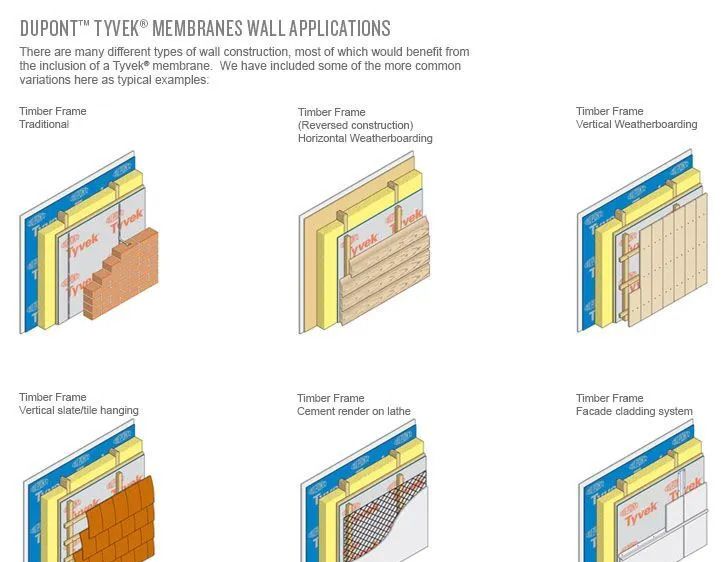
Even the best-performing color and finish combination fails early if the installation is wrong. Cut edges, where a board is trimmed to fit around a window, corner, or roofline on site, expose raw fiber cement or wood substrate that is not protected by the factory finish unless it is primed and sealed with manufacturer-approved touch-up product at the time of installation. Skipping that step is one of the most common causes of early staining and localized failure, because those exposed edges soak up moisture first during every driving-rain event. Correct installation also means proper fastener spacing and depth, so panels are not cracked or overdriven in a way that stresses the finish; correct flashing and weather-resistive barrier behind the siding, so moisture does not get trapped and cause staining or rot from underneath; and correct clearance at rooflines, decks, and grade, so water sheds away from the wall rather than wicking up into the bottom courses. A factory finish and a properly chosen color only deliver on their warranty and appearance promises when the installation behind them is done correctly, the color performance and the installation quality are not separate issues, they are the same issue.
Because the color is not just an aesthetic choice here, it interacts directly with how visible moss and algae growth will be, how the finish handles months of wet-dry cycling and occasional freeze-thaw near the foothills, and how much maintenance the home will actually need over the next decade. A color that looks great on a sample chip in a showroom can perform very differently once it is on a shaded, rain-exposed wall in the Nooksack Valley, which is why the decision deserves more research than most homeowners initially expect to put into it.
It means the color was baked onto the siding at the factory, cured under controlled conditions, before the boards were ever installed, rather than paint applied on site after the siding is already up and exposed to weather. In practice that generally means more even coverage, better long-term fade resistance, and a separate finish warranty from the manufacturer, compared to field-applied paint on primed spruce or engineered wood siding, which depends heavily on site conditions and the painter's technique the day it is applied.
Driving rain off Bellingham Bay and the Strait pushes water into any seam or gap that is not properly sealed and puts siding through repeated wet-to-dry cycling for months at a stretch, which wears a thin or inconsistent finish unevenly over time. Moss and algae, encouraged by shade and near-constant moisture, grow on every color eventually, but they show up fastest and most visibly on very light or very white siding, while mid-tone earth colors tend to camouflage early growth better.
A factory finish warranty typically covers the color and coating itself, issues like peeling, cracking, or fading beyond the manufacturer's stated tolerance, separately from the underlying product warranty on the siding material. It generally does not cover damage from improper installation, such as unsealed cut edges or incorrect fastening, which is why correct installation matters as much to the finish's long-term performance as the color choice itself. Always ask a contractor to walk through exactly what is covered before you sign off on a color and a product line.
Choosing a siding color that will still look right on your Everson home in fifteen years takes more than a paint chip and a guess. Alpine Exteriors, licensed in Washington under contractor license ALPINI751OW, works with homeowners throughout Whatcom County, Everson, Lynden, Ferndale, Bellingham, Blaine, Birch Bay, Sudden Valley, and the islands, to bring large-format samples out to the actual property, in actual local light, before anything gets ordered. If you are weighing factory-finished fiber cement against a field-painted alternative, or just want a second, honest opinion on how a color will hold up against your specific lot and landscape, reach out to Alpine Exteriors for a color consultation.