
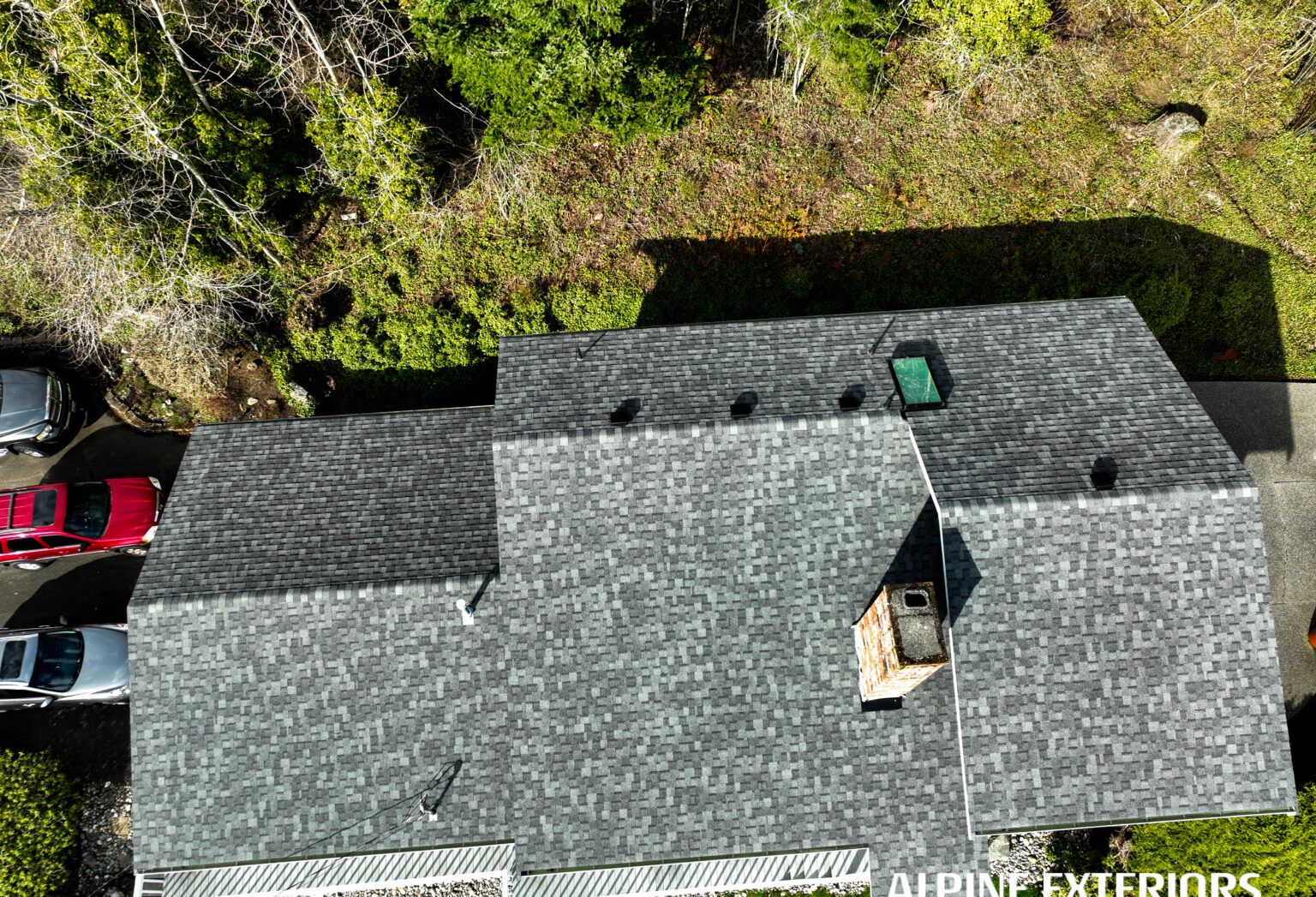
Alabama Hill sits high enough above Bellingham Bay that houses up there catch weather the flatter neighborhoods don't. Homes on the hill get more direct wind off the Strait of Georgia, more driving rain during winter fronts, and enough elevation change that a few blocks can mean a noticeably colder microclimate on a January morning. Add in a housing stock that ranges from 1960s-70s ranch homes with original T1-11 plywood siding to newer view homes built to take advantage of the outlook toward the San Juans, and "what siding should I put on my house" doesn't have one universal answer. It depends on your home's age, its exposure to wind-driven rain, and how much upkeep you actually want to do. Below is our honest read on the options, written for this specific hill and this specific county, not a generic list that could apply anywhere.
For most Alabama Hill homes, fiber cement lap siding is the safest long-term choice, with engineered wood siding a legitimate and less expensive runner-up if it's detailed and maintained correctly. Vinyl remains a reasonable budget option on homes that are less exposed to direct wind off the water, but it's not our first recommendation on the more exposed west- and northwest-facing lots up here. Real cedar still has a place on homes where the owner wants a specific architectural look and is willing to commit to the maintenance, but it's the highest-upkeep option on this list by a wide margin. The reasoning behind each of those calls is below, along with what we'd steer you away from and why.
We're not ranking these products on looks alone. On a hill neighborhood in a marine climate like this, the things that actually determine whether siding performs for 20-plus years are:
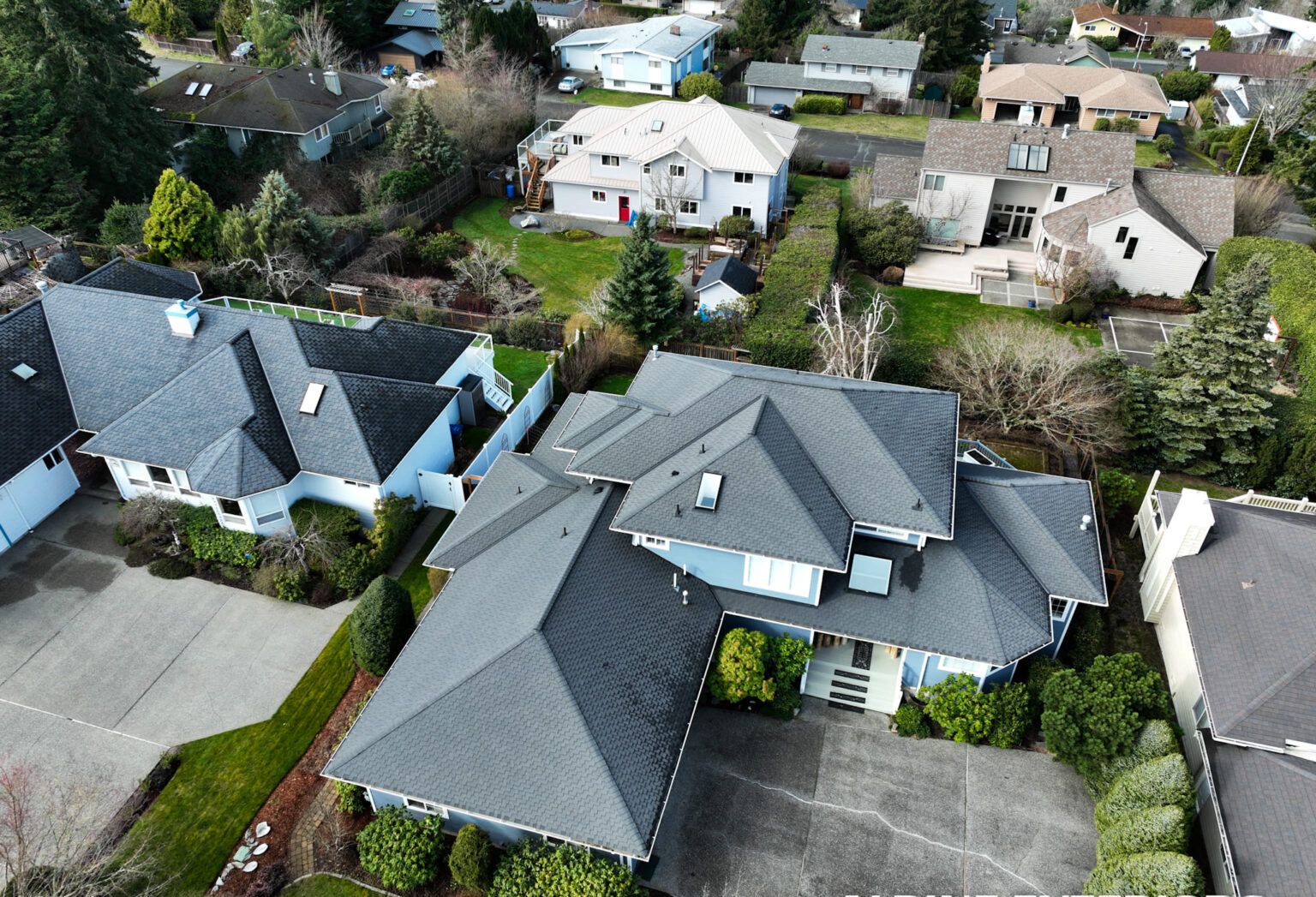
Fiber cement is a cement, sand, and cellulose fiber composite, and it's become the default recommendation for most of our Alabama Hill customers over the past several years. It doesn't rot, it's not attractive to woodpeckers or carpenter ants the way real wood can be, and its factory-applied finishes hold up well against the moss and algae film that shows up on shaded lots up here. It handles wind-driven rain well when installed with proper lap overlap and flashing, and it's dimensionally stable enough that freeze-thaw cycling isn't a meaningful concern once it's painted or coated. The tradeoffs are real, though: it's heavy, which means installation labor costs more than lighter materials, it has to be field-cut with dust control (it contains silica), and while the factory finish is durable, it's not maintenance-free — caulked joints and cut edges still need to be sealed and occasionally recaulked. Cost typically lands in the mid-to-upper range compared to the other options on this list, but the lifespan and low rot risk are what push us to recommend it first for homes with real wind and rain exposure.
Engineered wood is wood strand product bonded with resins and treated with a borate-based additive to resist fungal decay and insects, then finished at the factory. It installs faster and lighter than fiber cement, which usually means a lower installed cost, and it takes paint well. On Alabama Hill it's a solid second choice, especially for homeowners who want a wood-grain look without full solid-wood maintenance. The honest downside is that it's still a wood-based product, and the long-term track record depends heavily on correct installation — caulked joints, painted cut ends, and no ground contact are non-negotiable in a wet climate like ours. Skip any of those details and moisture can get behind the panel and cause swelling or delamination at the edges over time. We consider it a good option here, not a compromise, as long as it's detailed correctly.
Vinyl is the least expensive option and it's genuinely low-maintenance — no painting, and it sheds water on its own face reasonably well. It also never rots, which takes one of our biggest regional concerns off the table. Where it struggles on Alabama Hill specifically is wind exposure: standard-grade vinyl can rattle, oil-can, or in worse cases pull loose in sustained gusts off the Strait, and lower-grade panels get brittle over the years in our cooler, wetter climate and can crack on impact. Higher-impact-rated vinyl designed for wind exposure narrows that gap but adds cost, which starts to erode the price advantage that makes vinyl attractive in the first place. For a sheltered lot lower on the hill or on the leeward side of the house, vinyl remains a reasonable, honest budget choice. For a home taking the brunt of the wind straight off the water, we'd steer you toward fiber cement instead.
Nothing quite matches the look of clear cedar lap or shingle siding, and it's part of the traditional character of a lot of older Whatcom County homes. But it's also the highest-maintenance material on this list by a significant margin. Cedar needs to be sealed or refinished on a regular cycle, and any gap in that maintenance in a climate this wet invites wood rot, especially at butt joints, window trim, and anywhere water can sit against end grain. Moss and algae also colonize unfinished or under-maintained cedar faster than any factory-finished product. We still install and repair cedar siding for owners who want that specific look and are committed to the upkeep, but we won't pretend it's the low-effort choice — it isn't, and on an exposed hill lot the maintenance schedule gets even less forgiving.
Steel and aluminum panel systems are showing up more on newer Alabama Hill builds, particularly on contemporary designs. They resist rot and moss entirely since there's no organic material for anything to grow on, and they handle wind-driven rain well when properly seamed and flashed. The drawbacks are cost — metal panel systems generally run toward the higher end — and the fact that dents from hail, falling branches, or ladder mishaps are permanent and can be hard to blend in a repair. It's a strong option for the right architectural style and the right budget, but it's a specialty choice rather than a default recommendation for most homes on the hill.
A few choices we'd actively discourage for Alabama Hill homes, based on what we see fail:
If you're doing a full re-side rather than a like-for-like repair, yes — most re-siding projects in Washington trigger the wall assembly requirements in the Washington State Energy Code, which generally means the wall needs to hit a minimum insulation value and, in most assemblies, a drainage plane behind the cladding. We factor this into every project so the finished wall is both code-compliant and actually built to shed water correctly, not just insulated on paper.
It almost always comes down to sun exposure and airflow. North- and northwest-facing walls that stay shaded, especially under mature trees common on Alabama Hill lots, stay damp longer after every rain, and that's exactly the environment moss and algae need to establish. Siding texture and finish matter too — smoother, factory-finished surfaces resist buildup longer than raw or heavily textured wood.
More than people expect. A lot lower on the hill and sheltered by neighboring homes or trees sees far less wind-driven rain than a lot with an open, unobstructed face toward the Strait. We walk the site and look at prevailing exposure before recommending a material — the same house in two different spots on the hill can reasonably get two different siding recommendations.
Sometimes, but we're cautious about it. Siding over an existing layer can trap moisture that's already gotten in, and it skips the chance to inspect the sheathing and add a proper drainage gap. On a wetter site like Alabama Hill, we generally recommend a full tear-off so we can check the wall condition and build the assembly correctly, even though it costs more up front than covering over what's there.
Every one of the materials above can be the right call on the right house — the point of this page is to help you figure out which one fits yours, not to push one product on every roof in the county. Alpine Exteriors has walked enough Alabama Hill lots to know how differently wind and moisture behave from one block to the next, and we'll give you a straight assessment of your home's exposure, your existing wall condition, and which siding option actually makes sense for your budget and maintenance appetite. Alpine Exteriors is licensed in Washington under contractor license ALPINI751OW — reach out and we'll come take a look at your home and walk you through real options, not a sales script.