
After a windstorm off Bellingham Bay or the Strait of Georgia, the damage that matters most on Birch Bay homes usually isn't a dramatic blown-off panel — it's water that got pushed behind the siding through a seam, a nail hole, or a gap around trim, and it may not show up as a stain for weeks. If your siding took a direct hit from wind-driven rain, walk the exterior within a few days, photograph anything that looks off, and get a contractor's eyes on it before you file or close out an insurance claim.
Whatcom County storms rarely do damage the way people picture storm damage — there's no hurricane wind field here, and most homes never see a siding panel torn cleanly off the wall. What actually happens is slower and less obvious. A southwesterly blow off the Strait of Georgia drives rain sideways for hours at a time, and that horizontal force pushes water into places it was never meant to reach: lap seams that have opened up slightly with age, fastener holes where the caulk has shrunk, and the vulnerable inside corners around windows and doors. Once water gets behind the siding, it sits against the sheathing and the house wrap, and Birch Bay's damp climate does the rest — wood-based sheathing and trim that stay wet for days at a time start to soften, and that's the beginning of rot, not the end of it.
Wind itself does cause some direct damage in Birch Bay — loosened panels, cracked fiber cement corners, lifted flashing above windows, and fasteners that back out over repeated flexing in gusty weather. Waterfront and bluff-top lots along the bay take the brunt of this because there's nothing between the house and the open water to slow the wind down. But on most calls we run in Birch Bay, the wind is really just the delivery mechanism — the actual damage is moisture intrusion that keeps working on the wall long after the storm has passed. That's why a siding inspection right after a storm should never stop at "does it look okay from the driveway."
A few things about Whatcom County change how storm damage behaves compared to almost anywhere else in the country, and they're worth understanding before you decide how urgent a repair is.
After a wind and rain event in Birch Bay, a methodical walk-around beats a quick glance. Start on the water-facing and southwest-facing walls, since those take the worst of the wind-driven rain, and work your way around the rest of the house.
On insurance: most homeowners policies in Washington cover sudden, storm-related damage to siding, but coverage typically excludes damage from gradual wear, existing rot, or deferred maintenance — and adjusters are trained to look for exactly that distinction. This is precisely why the moisture patterns common in Whatcom County can get complicated. If a storm pushed water behind siding that already had a small gap from age, the insurer may argue the underlying cause was maintenance-related rather than storm-related, even though the storm is what made the damage visible. A written inspection report from a licensed contractor, done soon after the event and before any repair work starts, gives you documentation that supports a storm-damage claim rather than leaving it open to interpretation. It's also worth knowing upfront that insurers sometimes cover repair of the damaged section but not a full re-side, even when the existing siding is discontinued or hard to color-match — that's a conversation to have with your adjuster early, not after repairs are underway.
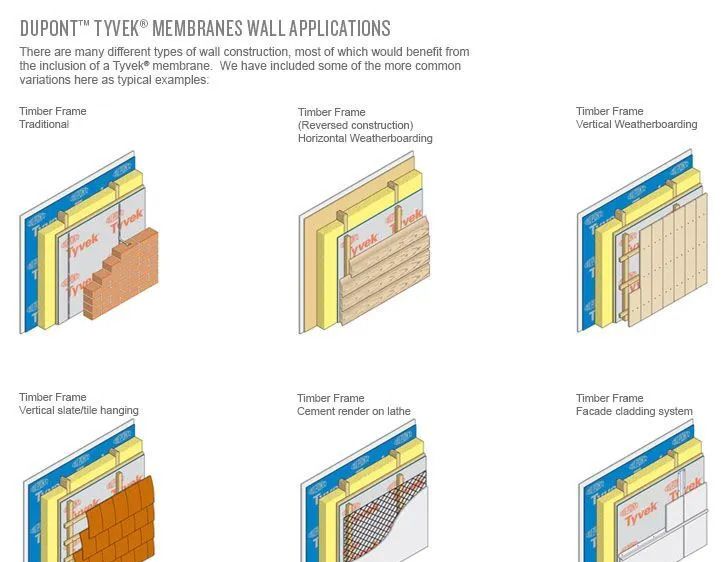
If your home needs any significant amount of siding replaced as part of a storm repair, the new work has to meet the current Washington State Energy Code for wall assemblies, which affects things like the water-resistive barrier and insulation continuity behind the new siding — not just the cosmetic panel. That's not extra red tape someone is inventing; it's a real requirement that applies whenever exterior wall assemblies are opened up and rebuilt, and a contractor pulling permits in Whatcom County has to account for it either way.
Alpine Exteriors handles a fair number of these post-storm inspections around Birch Bay, Blaine, and the rest of Whatcom County, and the honest answer is that not every storm-flagged issue turns out to need a full repair — sometimes it's a section of caulk and a couple of fasteners. But because moisture damage here doesn't always announce itself right away, it's worth having someone check rather than assuming a quiet-looking wall is a dry one.
Generally yes, for damage that's clearly tied to a specific storm event, but most policies exclude damage attributed to gradual deterioration, prior rot, or lack of maintenance. Because Birch Bay's climate means moisture damage can build slowly before a storm makes it visible, getting a contractor's inspection report soon after the event helps establish that the damage is storm-related rather than pre-existing, which matters a lot when an adjuster is reviewing the claim.
Wind damage tends to look mechanical — cracked corners, panels pulled loose at the fasteners, flashing bent or lifted. Moisture rot looks different: soft or spongy spots when pressed, discoloration that spreads rather than staying at a sharp edge, and sometimes a slightly swollen look to the siding itself. In practice the two often show up together after a storm in this area, since wind is usually what opened the path for water that had nowhere to go once it got behind the wall.
Within a week or two if possible, and sooner if you can see obvious damage or smell mustiness inside. Whatcom County's persistent damp weather means a compromised section of wall doesn't get much of a chance to dry out between storms, so a delay of a month or more can turn a straightforward repair into a rot-driven section replacement.
Yes, if the repair involves opening up and rebuilding a section of the wall assembly rather than just swapping a panel-for-panel patch, current Washington State Energy Code requirements for the water-resistive barrier and insulation apply to that portion of the work. A licensed contractor pulling the permit will account for this as part of the repair scope, not as a separate add-on.
If a recent windstorm off Bellingham Bay or the Strait left you wondering whether your siding actually held up, it's worth having someone check before you assume everything's fine or before you file an insurance claim without documentation. Alpine Exteriors is a licensed Washington contractor (ALPINI751OW) serving Birch Bay, Blaine, Ferndale, Lynden, Bellingham, Sudden Valley, and the islands, and we do straightforward post-storm siding inspections — no pressure to replace more than what's actually damaged. Reach out and we'll walk the exterior with you, document what we find, and give you a clear read on whether you're looking at a minor repair or something more involved.