
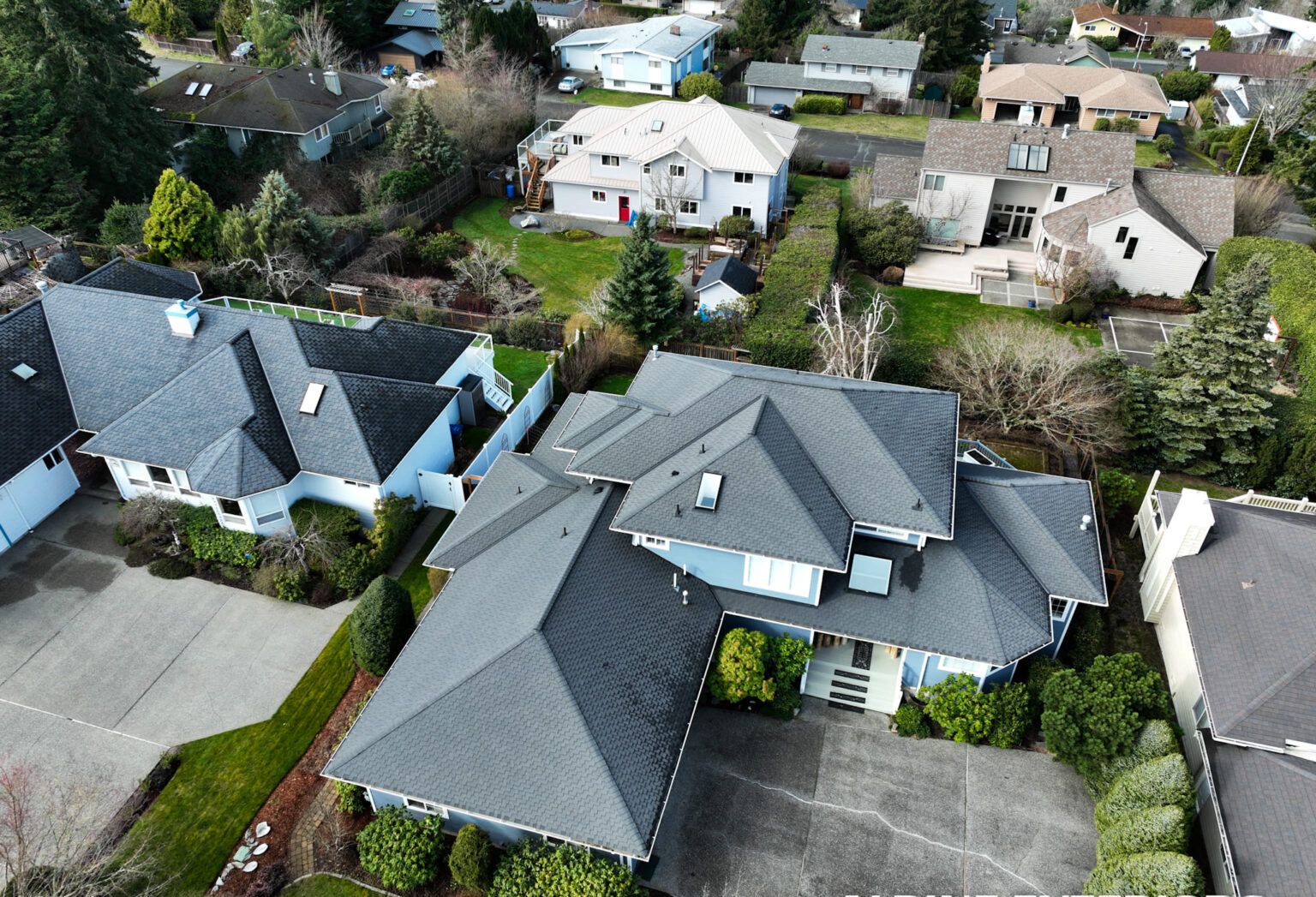
Edgemoor sits on the bluff above Bellingham Bay, and that location cuts both ways. The views are hard to beat, but the same exposure that gives you a water view also gives your siding a steady diet of wind-driven rain coming off the Bay and the Strait, especially during fall and winter storms when the wind swings out of the southwest. Add in the mature fir, cedar, and maple canopy that shades much of the neighborhood's older lots, and you get walls that dry out slower than a siding manufacturer's spec sheet assumes. Shade plus moisture is exactly the combination that lets moss and algae take hold on north- and west-facing walls, and it's also the combination that lets small gaps in flashing or caulk turn into wood rot before anyone notices.
Many Edgemoor homes were built well before current moisture-management details were standard practice, so the original siding, building paper, and flashing may be doing less work than a homeowner assumes. Whatcom County's climate doesn't include the freeze-thaw extremes you'd see in the Cascade foothills or the eastern part of the county, but Edgemoor still gets enough cold snaps most winters to stress caulking, trim joints, and any water that's already found its way behind the cladding. A short freeze can turn a damp seam into a cracked one. None of this means Edgemoor siding fails faster than siding anywhere else in Bellingham — it means the checks that matter most here are specifically about moisture, shade, and wind direction, not about hail or the kind of extreme wind loads this part of Washington simply doesn't see.
This checklist is meant to be walked once a year, ideally in early fall before the wet season sets in, and again after any unusually windy storm off the water. It won't catch everything a trained eye will, but it will tell you where to look closely and where to stop worrying.
Field of the siding (the main wall surface)
Corners, trim, and flashing
Bottom courses, foundation line, and crawlspace
Roofline, soffits, and attic ventilation
Windows, doors, and wall penetrations
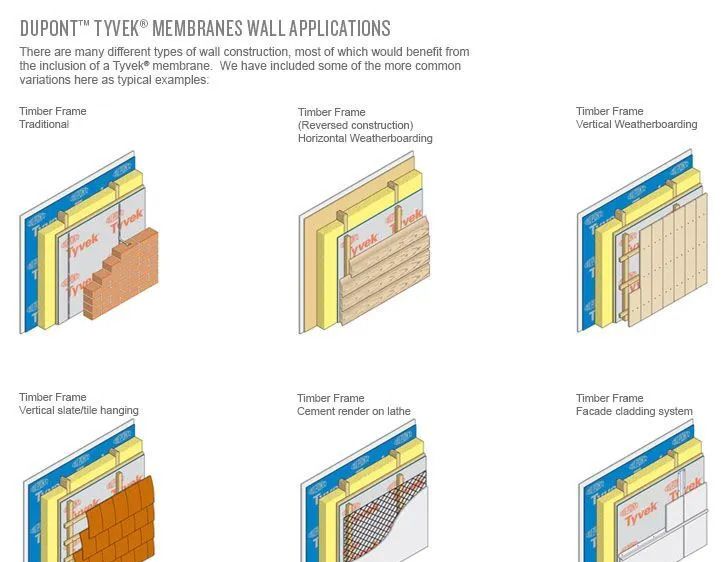
Not every failed item on this list means a full re-side. A cracked bead of caulk at a corner board or a gap around a hose bib is a same-afternoon fix with exterior-grade sealant, and it's worth doing before the wet season rather than waiting. Surface moss and algae on siding can often be treated with a gentle wash and an appropriate cleaner, though pressure washing cedar, older lap siding, or anything with failing paint can do more harm than good by forcing water under boards or stripping finish you can't easily replace — a soft wash approach is usually the safer call.
Soft spots, visible rot, or staining that traces back from a flashing detail are a different category. These are symptoms of a problem that's already inside the wall assembly, and cosmetic fixes like caulk or paint over the surface won't stop the damage underneath — they just hide it for a season. If you find rot, it's worth opening up a small section to see how far it's traveled before deciding whether the repair is a board replacement or something larger. Be honest with yourself about scope: what looks like a six-inch soft spot from the outside sometimes turns out to be a much larger area of compromised sheathing once opened up, and matching older cedar or a discontinued lap profile isn't always possible, which can mean a visible patch rather than a seamless repair. That's the kind of judgment call a licensed contractor like Alpine Exteriors makes quickly on-site, rather than guessing from a photo.
Document what you find with photos and a rough sketch of where on the house each issue sits — north wall near the chimney, west corner by the deck, and so on. That record is genuinely useful whether you end up doing the repair yourself or bringing in a contractor, since it saves a second inspection just to relocate the problem.
Bring in a licensed siding contractor once you're dealing with anything beyond surface caulk and light cleaning: confirmed wood rot, missing or improperly installed flashing, water intrusion you can't trace to an obvious single source, or any area where more than a board or two needs replacement. Flashing details in particular are easy to get wrong and hard to verify from the outside once the siding is back on, so this is not the place to guess. If you're planning to re-side all or part of the home rather than spot-repair it, a contractor familiar with Washington State Energy Code requirements for wall assemblies, continuous insulation, and air sealing can make sure the new siding package meets current code rather than just replacing what was there before — which matters both for performance and for passing inspection.
Alpine Exteriors inspects and repairs siding throughout Whatcom County, including Edgemoor, Bellingham, Ferndale, Lynden, Blaine, Birch Bay, Sudden Valley, and the islands, and works under Washington contractor license ALPINI751OW. A professional inspection typically takes less time and costs less than most homeowners expect for the peace of mind it buys, though exact scope and price depend on what's found once someone is actually up on a ladder or inside the crawlspace.
Once a year is a reasonable baseline for most homes, ideally in early fall before the wettest months arrive, but Edgemoor's tree-shaded, bay-facing lots are a case where a second look after any major windstorm off the water is worth the extra half hour. Homes with heavy tree cover or a north-facing wall that rarely sees direct sun tend to show moss and moisture issues sooner than more exposed lots, so it's reasonable to check those specific walls more often even if the rest of the house is on a yearly schedule.
Light surface growth on its own is mostly cosmetic and common on shaded siding throughout Whatcom County. The concern is what moss and algae indicate: a surface that's staying damp longer than it should, which over time can contribute to paint failure, wood softening, and a friendlier environment for rot to start. Treating it early, and addressing the shade or drainage condition that's keeping the wall wet if possible, is more useful than treating it as a purely appearance issue.
Full siding replacement projects generally do need to meet current Washington State Energy Code provisions for the wall assembly, which can include continuous insulation and air-sealing details depending on the scope of the project and how your local building department applies the code to re-side work. A contractor pulling permits for the job should be able to walk you through what applies to your specific project rather than assuming the replacement is a like-for-like swap.
You can, but it's worth being cautious about pressure and technique, especially on cedar, older lap siding, or anything where the paint or finish is already compromised. High pressure aimed directly at seams and laps can force water behind the siding rather than just cleaning the surface, which creates the exact problem you're trying to prevent. A lower-pressure soft wash with an appropriate cleaner, held at a reasonable distance and angled to follow the lap rather than blast into it, is the safer approach for most Edgemoor homes.
A checklist can tell you where to look, but it can't tell you how far a problem has traveled once it's inside the wall. If this walkthrough turned up soft spots, failed flashing, or areas you're not confident about, Alpine Exteriors offers siding inspections and repair estimates for homeowners throughout Edgemoor and the rest of Whatcom County — Bellingham, Ferndale, Lynden, Blaine, Birch Bay, Sudden Valley, and the islands. Reach out to schedule a walkthrough before the next round of fall storms rolls in off the Bay.