
Most siding problems we see in Fairhaven are repairable if they're caught before rot spreads past the surface board. The exceptions are homes with widespread moisture intrusion behind the siding, or siding old enough that matching materials no longer exist — in those cases, a full or partial re-side is usually the more honest recommendation.
Fairhaven's housing stock skews older than much of Bellingham — a mix of early-1900s homes near the historic district, mid-century houses up the hill toward Fairhaven Park, and newer infill closer to Boulevard Park. That age matters, because a lot of what we're called out for isn't storm damage, it's slow damage that finally shows itself:
A siding repair conversation in Fairhaven isn't the same as one in a drier inland market, and it shouldn't be treated that way.
The neighborhood sits right on Bellingham Bay, and wind-driven rain off the water hits west- and southwest-facing walls harder and more often than walls on the sheltered side of the same house. We routinely find that damage on a Fairhaven home is concentrated on one or two elevations, while the others look fine — which is a useful diagnostic clue, not just a coincidence.
Persistent rain and marine humidity mean siding here rarely gets the long dry stretches that let minor moisture intrusion evaporate out on its own before it becomes rot. A small gap in caulking or a missing piece of flashing that might be a non-issue in a drier climate can turn into a soft stud within a couple of wet seasons here.
Moss and algae are a near-constant maintenance item rather than an occasional nuisance, particularly on shaded lots close to Fairhaven Park or along the wooded lots up toward Sudden Valley and the foothills. Up in those higher, colder pockets of Whatcom County, freeze-thaw cycling adds another layer — water that gets into a crack, freezes, and expands, widening the damage each winter. Fairhaven itself, being close to the water, sees milder winters and less freeze-thaw stress than the foothill communities we also serve, but it's worth knowing the difference if you're comparing notes with someone whose house is further inland.
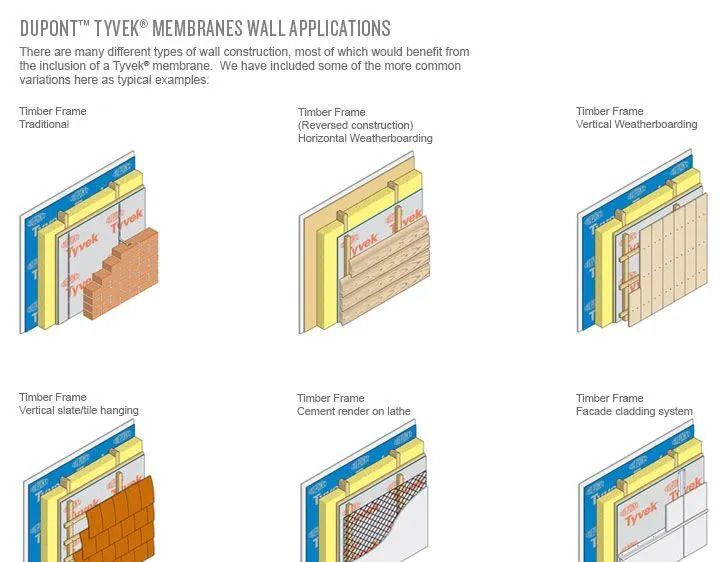
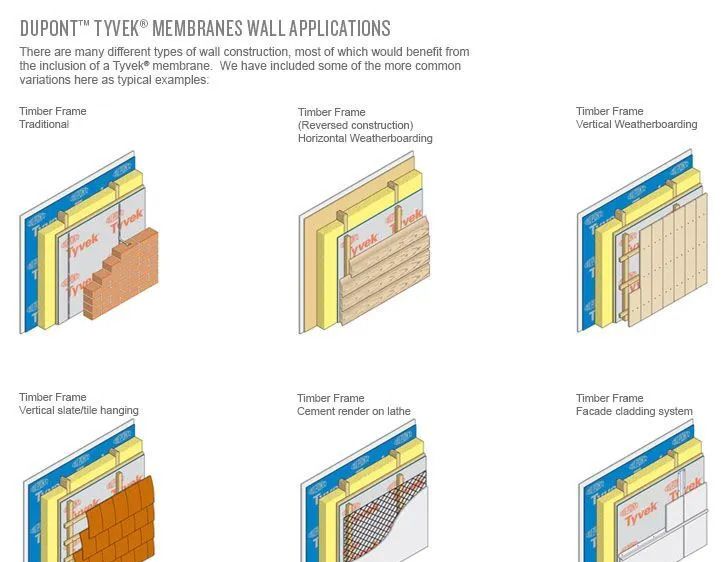
Any full re-side in Washington also has to account for the Washington State Energy Code, which sets minimum requirements for wall insulation and air sealing on new construction and substantial exterior renovations. If a repair job turns into a larger project, that code can affect what goes on behind the new siding, not just the finish itself. And because a meaningful part of Fairhaven falls inside Bellingham's Fairhaven Historic District, exterior changes on some properties may be subject to the city's design review process — something worth checking before ordering replacement siding that changes the look of a street-facing elevation.
Start with a close look rather than a guess. Press on suspect boards with a screwdriver or an awl — if it sinks in without much resistance, that section has rot and needs to come out, not just get painted over. Check the usual failure points first: bottom courses near grade, under windows, around any penetration (hose bibs, vents, light fixtures), and wherever two roof planes meet a wall.
If the damage is limited to a few boards or panels and the framing behind them is dry, repair is almost always the right call. Replacing individual courses is less disruptive and less expensive than a full re-side, and it's the approach we lean on whenever the numbers support it.
If you're finding soft wood in multiple locations, especially on more than one elevation, or if the siding is an older profile that's no longer manufactured, it's worth stepping back and pricing a re-side of that wall or the whole house rather than chasing patch after patch. Piecemeal repairs on siding that's failing broadly tend to cost more over a few years than doing the job once.
Matching existing siding is its own challenge here. Cedar weathers and fades unevenly depending on sun exposure, so a brand-new board next to twenty-year-old cedar will stand out until it weathers in, sometimes for a full season or more. Vinyl and fiber cement profiles get discontinued or changed by manufacturers, so a color or plank width that matched perfectly five years ago may not be available today. Alpine Exteriors keeps track of which manufacturers still stock older profiles and, when an exact match isn't possible, will walk you through options like matching on a less visible elevation, blending panel widths, or planning toward a fuller re-side down the road instead of patching in something that visibly doesn't match.
Get a second opinion before committing to full replacement if a contractor tells you a small repair isn't possible. In our experience in Whatcom County, a genuine, dry, well-supported repair is achievable more often than homeowners are led to believe — but it does require someone willing to actually open up the wall and look rather than sell from the driveway.
Localized soft spots, cracked panels, or failed caulk in a few areas usually point to a repair. Rot found in multiple locations, siding that's buckling or delaminating across a whole wall, or a profile that can no longer be matched are signs a full or partial re-side will serve you better than repeated patchwork.
North-facing walls in Fairhaven stay shaded and damp longer after rain, especially near mature trees, and that extended dampness is exactly what moss and algae need to establish. South- and west-facing walls dry faster between storms but take more direct wind-driven rain off the bay, so they tend to show wood rot and caulk failure instead.
Pressure washing can clean the surface, but it doesn't fix moisture that's already gotten behind the siding, and aggressive washing can actually force water into seams and force it deeper into wood siding. It's fine as routine maintenance on sound siding, but it's not a substitute for checking underlying boards for rot first.
If your property falls within Bellingham's Fairhaven Historic District, exterior changes visible from the street may go through the city's design review process, particularly on street-facing elevations. It's worth confirming with the city before ordering materials, since it can affect the siding profile, color, or trim details you're allowed to use.
If you're dealing with soft boards, moss buildup, or siding that just doesn't look right anymore on a Fairhaven or Whatcom County home, Alpine Exteriors will come take an honest look before recommending anything. We're licensed in Washington (ALPINI751OW) and work throughout Bellingham, Ferndale, Lynden, Blaine, Birch Bay, Sudden Valley, and the islands, and we'll tell you plainly when a repair will hold up and when it won't.