
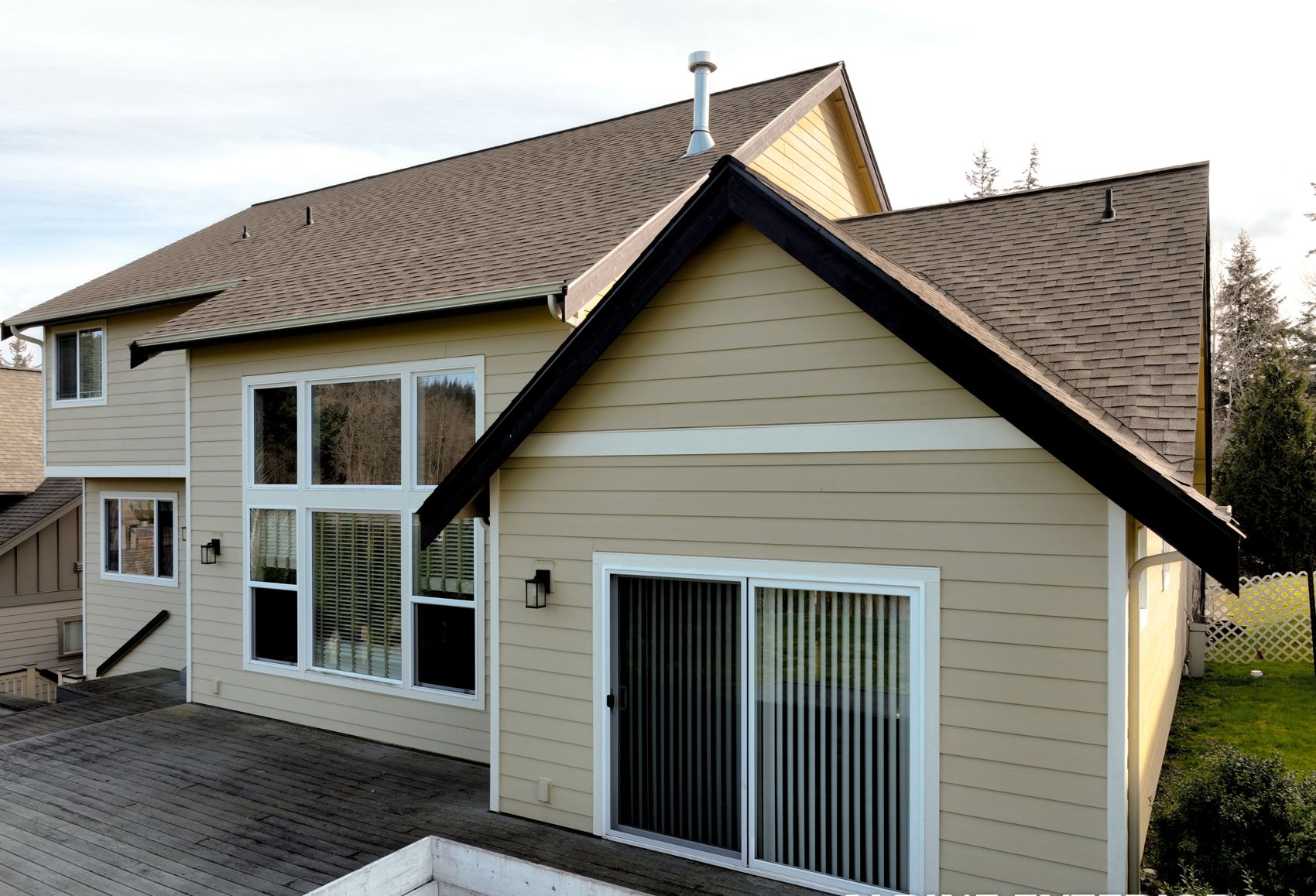
In Fairhaven and the rest of Whatcom County, siding isn't just a finish — it's a component the Washington State Building Code treats as part of the home's structural weather envelope. That means the siding product, the water-resistive barrier behind it, and the fastening pattern holding it on all have to be matched to the wind exposure of the specific lot, not just picked off a sample board because the color looks right.
For a waterfront-adjacent neighborhood like Fairhaven, sitting close to Bellingham Bay with long, unobstructed fetch across the water, that match matters more than it does a few miles inland. Alpine Exteriors treats wind exposure and fastening as the first conversation on a Fairhaven siding job, not an afterthought after the color is chosen.
Washington State adopts the International Residential Code (IRC) with statewide amendments as the Washington State Building Code, and Whatcom County and the City of Bellingham enforce it locally. Two provisions matter most for siding:
Unlike Florida or the Gulf Coast, Washington does not run a statewide product approval database that assigns a certification number to every siding line. Instead, code compliance runs through the manufacturer's own testing: vinyl siding is tested to ASTM D3679, fiber cement is tested under ASTM C1186 or evaluated through an ICC-ES Evaluation Service Report (ESR), and each product's installation instructions specify a tested wind-load rating along with the fastening schedule required to achieve it. An inspector checking a Fairhaven job isn't looking for a state approval sticker — they're comparing what's on the wall to the manufacturer's published instructions for that specific product, at that specific exposure.
Fastening is where most real-world failures start, and it's also the easiest thing for a homeowner to check without climbing a ladder. Vinyl and composite siding are designed to hang loosely on their nailing hem so the panel can expand and contract with temperature — nails driven flush or over-driven lock the panel down and leave no room to move, which cracks panels in cold snaps and lets wind get a purchase point during a gale off the bay. Fiber cement needs the opposite: firm, fully seated fasteners into solid framing or sheathing at the manufacturer's specified spacing, not just "a nail every stud." Both materials fail the same way when installers use whatever nail gun setting they used on the last job instead of reading the current one's instructions.
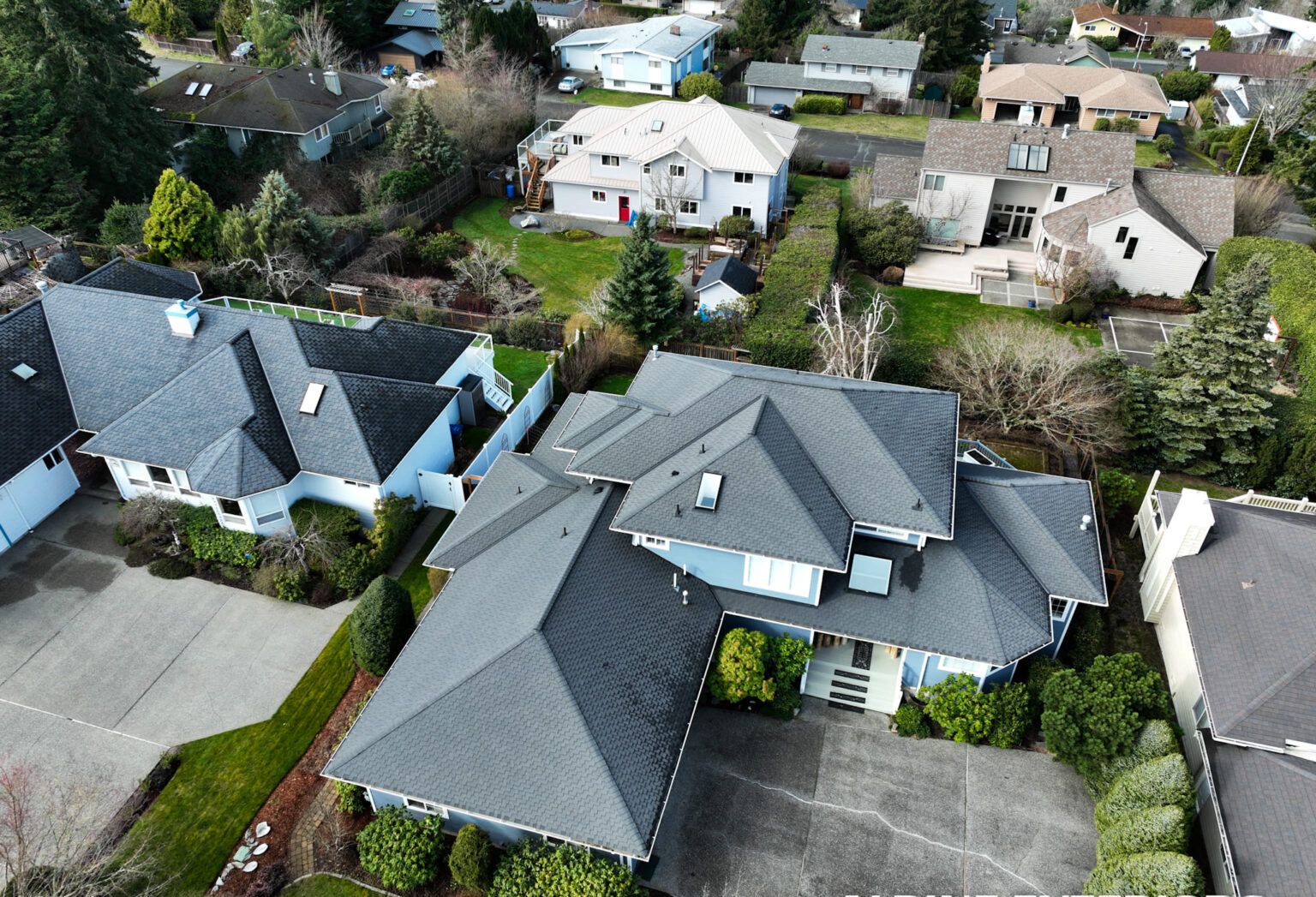
A code requirement written for the state as a whole still has to be applied to Whatcom County's actual weather, and that weather is unusual in a few specific ways that change what a good installation looks like here.
None of this is hurricane-country engineering — Whatcom County isn't rated for that, and claiming otherwise would be dishonest. What it requires instead is a close read of moisture management and a fastening job that respects the specific wind exposure of the lot, whether that's an open bluff above the bay or a sheltered street set back in the trees.
Most of this is invisible once the siding is up, which is exactly why it's worth confirming before the crew starts rather than after.
Alpine Exteriors, WA contractor license ALPINI751OW, walks Whatcom County customers through the permit and product-rating questions on every re-side quote, because a homeowner who understands what's being installed and why is in a better position to catch a corner being cut — from any contractor, not just this one.
In most cases, yes — a full re-side project in the City of Bellingham (which includes Fairhaven) or in unincorporated Whatcom County typically requires a building permit, and the inspection tied to that permit is what confirms the water-resistive barrier, flashing, and fastening were installed to code before the wall is closed up. Small patch repairs on a small area of existing siding may fall under different thresholds, so it's worth confirming scope with the local building department, or asking a contractor familiar with the local process, before work starts.
There's no single number that applies to every lot — the wind speed and exposure category assigned under the code depend on the specific site, and an open, waterfront-adjacent property near Bellingham Bay generally warrants a more conservative product and installation than a sheltered inland lot. Rather than quoting a figure that may not apply to a given address, the right approach is to have the exposure evaluated for that lot and match the product's tested wind rating and fastening schedule to it.
Because the siding product's tested wind performance only holds if it's installed exactly the way it was tested — the right fastener spacing, into solid framing, with the correct amount of play left in the nailing hem for expansion. A premium siding product installed with the wrong nail spacing or over-driven fasteners can perform worse in wind than a mid-range product installed correctly, which is why an inspector checking the wall cares as much about the nail pattern as the brand on the panel.
Yes — the Washington State Energy Code's continuous insulation and air-sealing requirements often mean a layer of rigid foam or insulated sheathing goes under the siding, especially on older homes being re-sided for the first time under current code. That extra layer changes the effective fastener length needed to reach solid framing and usually calls for furring strips or long-shank fasteners specified by the siding manufacturer, so it's a detail worth confirming rather than assuming the old nail length still works.
If you're planning a re-side in Fairhaven, elsewhere in Bellingham, or anywhere else in Whatcom County — Ferndale, Lynden, Blaine, Birch Bay, Sudden Valley, or the islands — Alpine Exteriors can walk the exterior with you, talk through the wind exposure and code requirements for your specific address, and put together a written estimate that spells out the product, the fastening approach, and what's covered by permit. Reach out to schedule a walkthrough and get straight answers before any siding goes on the wall.