
In Whatcom County's wet marine climate, a properly installed cedar shingle siding job generally holds up for 25 to 35 years before it needs full replacement, with some well-shaded, well-ventilated walls going longer and some exposed, poorly detailed walls needing attention well before that window closes. The cedar itself is rarely the weak link — what actually ends a cedar shingle siding job's life almost always comes down to how moisture was managed, both when it was installed and in the years of upkeep since.
That 25-to-35-year range isn't a single fact so much as it's the midpoint of a lot of variables stacked on top of each other, and any one of them can push a real house well outside it in either direction.
Grade matters first. No. 1 Blue Label cedar shingles, cut from clear, vertical-grain heartwood, resist cupping and splitting far better than lower grades, and the difference shows up over decades, not years. A house sided with a mix of grades to save money on the first job will usually show uneven wear by year fifteen, with some courses still tight and others already curling.
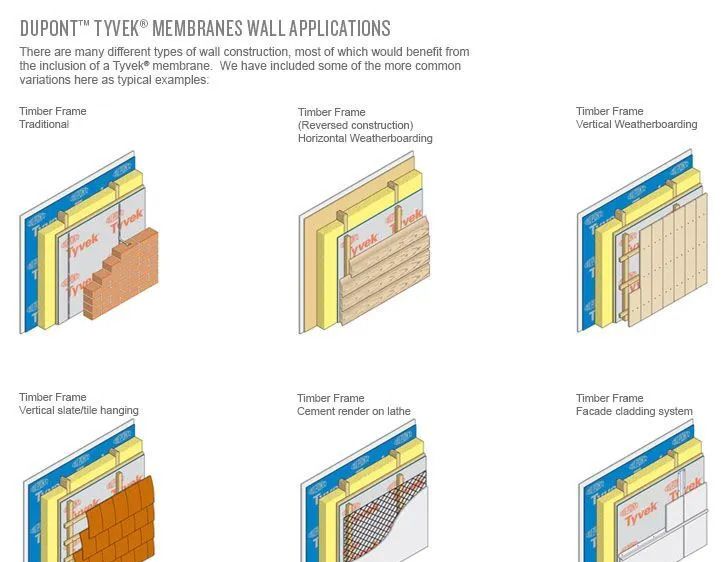
Installation details matter just as much as the wood grade, and this is where a lot of the lifespan gets decided before the first winter even hits. Shingles that are face-nailed tight to the sheathing with no drainage gap behind them trap the moisture that inevitably gets past the outer surface, and that trapped moisture is what causes rot, not simple rain contact. A ventilated rainscreen gap, correct exposure length per course, and nails driven high enough to stay covered by the course above all add real years to the siding's working life. Flashing at windows, doors, roof-to-wall intersections, and any place where cedar meets a dissimilar material is another spot where a rushed install shows up early as staining, rot, or shingles failing out of sequence with the rest of the wall.
Finish and orientation round out the picture. Some homeowners let cedar weather naturally to a silver-gray patina, which is a legitimate, low-maintenance approach as long as the wall is well ventilated. Others stain or seal the shingles, which slows UV degradation and can even out moisture uptake, but only if that finish gets refreshed on a real schedule rather than applied once and forgotten. Meanwhile, a north-facing wall under tree cover stays damp for days after every wet spell, while a south or west wall that gets more direct sun dries out faster but takes more UV wear. Those two walls on the same house can age at noticeably different rates.
Whatcom County's climate is not aggressive in the way hot, dry, or storm-battered regions are, but it is relentless — and relentless low-grade moisture exposure is exactly what cedar shingles are most vulnerable to over time.
The rain here is less about downpours and more about duration. Bellingham and the surrounding lowlands see long stretches of overcast, drizzly weeks from fall through spring, and cedar siding often doesn't get the chance to dry out fully between wet periods the way it would in a drier climate. Extended dampness is the single biggest driver of both wood rot and the growth of moss and algae on shaded or north-facing walls, which is a common sight on older homes in Bellingham's tree-covered neighborhoods, in Ferndale, and out toward Lynden where morning fog off the farmland lingers on siding well into the day.
Moss and algae aren't just cosmetic. Once a colony establishes itself on a shingle course, it holds moisture against the wood surface far longer than bare cedar would on its own, and left untreated for years it accelerates softening and eventual rot in the shingles underneath, particularly at butt joints and lower courses close to grade.
Wind-driven rain is its own separate issue, and it matters most for homes with direct exposure to Bellingham Bay or the Strait of Georgia — think waterfront and bluff properties around Blaine, Semiahmoo, and Birch Bay. When rain comes in nearly horizontal off open water, it can work its way up and under shingle butts and around fasteners in ways that simple vertical rainfall never would, which is why homes in these more exposed locations tend to need a tighter installation standard, better flashing detail, and more frequent inspection than an equivalent house tucked into a sheltered lot a few miles inland.
Freeze-thaw cycling is a smaller factor here than in truly cold climates, but it isn't nothing, especially moving up in elevation toward the foothills. Neighborhoods like Sudden Valley, sitting higher above Lake Whatcom, and other areas closer to the Mount Baker foothills see more mornings where overnight temperatures dip below freezing after a wet stretch than the immediate coastline does. Cedar shingles that are already holding moisture and then go through repeated freeze-thaw cycles are more prone to surface checking and cracking, which shortens their effective life even when rot never sets in.
Finally, the Washington State Energy Code plays a real, if less visible, role. Current wall assembly requirements under the code push toward continuous insulation and properly detailed weather-resistant barriers, and how a contractor integrates a rainscreen drainage gap and vapor-permeable underlayment behind cedar shingles to meet those requirements has a direct effect on how well the assembly sheds and vents moisture over time. A code-compliant wall assembly with the drainage plane done right is one of the better predictors of a long-lived cedar shingle job in this climate.
Most of what determines whether cedar shingle siding hits the high end or the low end of its lifespan happens after installation, in ordinary maintenance that's easy to skip because nothing looks urgent yet.
Alpine Exteriors performs these kinds of inspections across Whatcom County and can usually tell within a single visit whether a section of cedar shingle siding needs spot repair, a partial re-course, or is still years away from needing attention.
Spot repair usually makes sense when the damage is isolated, such as a handful of cracked or missing shingles, localized staining near a flashing detail, or a small patch of rot near grade that hasn't spread. Full replacement becomes the more sensible option once rot, warping, or persistent moss coverage shows up across multiple walls or large sections of a single wall, since at that point the underlying rainscreen and flashing system has usually reached the end of its useful life along with the visible shingles, and patching piece by piece stops being cost-effective.
It depends on which finish approach the siding was built around. Cedar left to weather naturally to gray doesn't require restaining, but it does need consistent moisture management through good ventilation and clean gutters. Cedar that was originally stained or sealed does need that finish refreshed periodically, because once it starts failing unevenly, some sections shed water while others start absorbing it, speeding up uneven aging across the wall. In Whatcom County's persistent damp, that refresh interval tends to run shorter on sun-exposed and wind-exposed walls than on sheltered ones.
It can be, but it asks more of the installation than an inland home does. Waterfront and bluff properties facing Bellingham Bay or the Strait of Georgia deal with wind-driven rain that can push moisture into places a standard install wouldn't need to guard against, so a tighter rainscreen detail, higher-grade shingles, and more attentive flashing around openings all matter more here than they would a few miles inland. Homeowners in these locations should also expect to inspect and maintain the siding somewhat more often, since the exposure that makes the views nice is the same exposure that stresses the siding.
Costs vary widely based on shingle grade, wall complexity, tear-off requirements, and access, so any number should be treated as a general planning range rather than a quote. Homeowners in this area typically see installed costs land somewhere in the range of roughly $9 to $18 per square foot of wall area, with the low end reflecting simpler walls and standard-grade shingles and the high end reflecting premium heartwood grades, difficult access, or extensive tear-off and repair of the underlying sheathing. An accurate number really only comes from an in-person assessment of the specific house.
If you're not sure whether your cedar shingle siding still has years left in it or is quietly heading toward a bigger repair, an in-person inspection settles the question faster than guessing. Alpine Exteriors, WA contractor license ALPINI751OW, works on cedar shingle siding throughout Whatcom County, including Bellingham, Ferndale, Lynden, Blaine, Birch Bay, Sudden Valley, and the surrounding islands, and can walk your property, point out what's holding up well, and give you a clear picture of what repair or replacement would actually look like before you spend a dollar on either.