
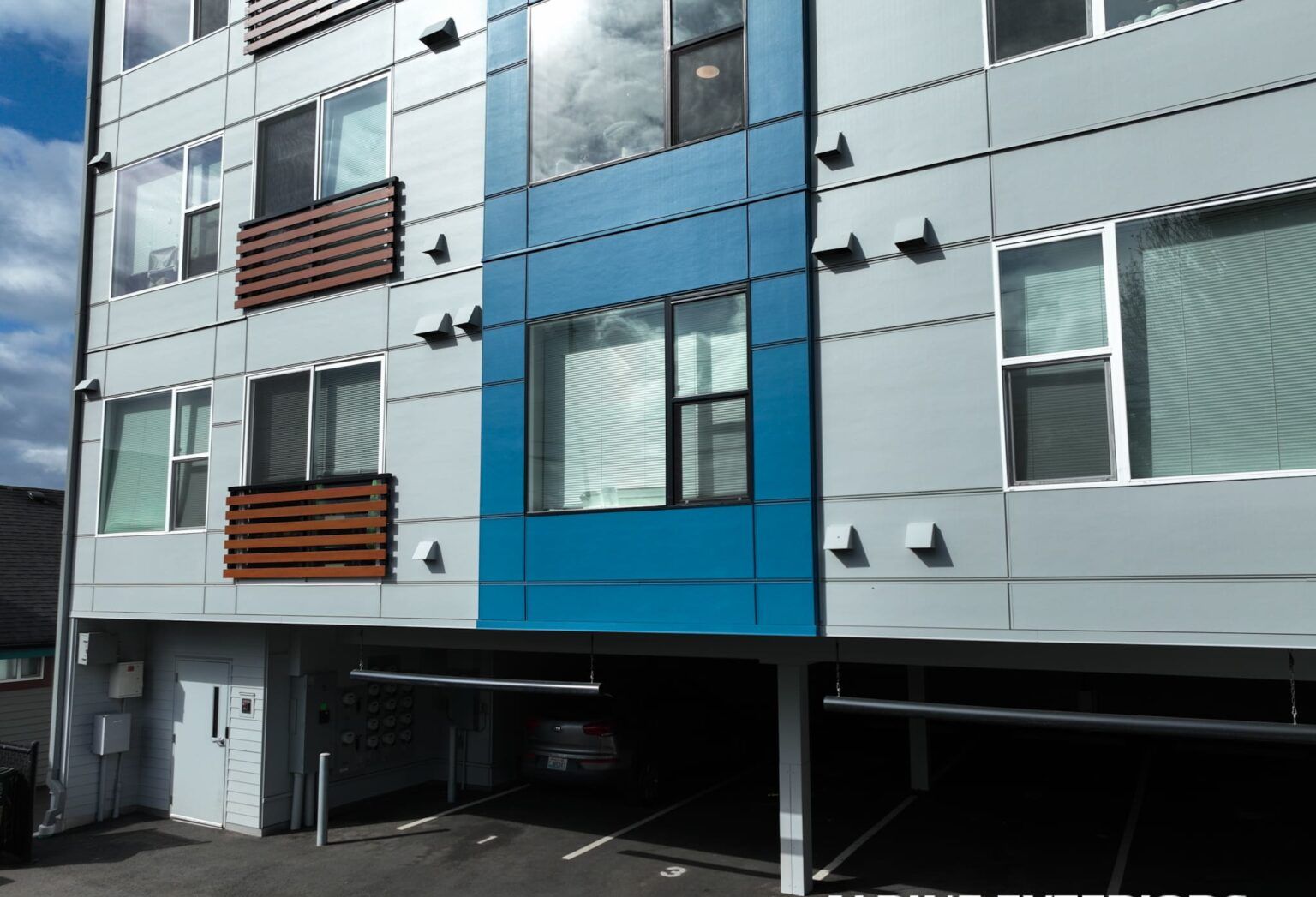
Wind resistance for siding on a South Hill home isn't decided by eye — it's set by the Washington State Building Code (which adopts the International Residential Code with Washington amendments) and by the tested wind-pressure rating stamped on the siding product itself. The fastening pattern, the fastener type, and the underlying wall assembly all have to line up with that rating, not just look tight when the crew drives away.
Every manufactured siding product sold in Washington — fiber cement, vinyl, engineered wood, LP panels, metal — carries an ICC-ES evaluation report or an equivalent manufacturer testing document that lists an allowable wind pressure, usually expressed in pounds per square foot. That number isn't decorative. Building officials in Whatcom County can and do ask to see it when a permit is pulled for re-siding, and it's the baseline a contractor uses to pick fastener spacing, fastener length, and nailing pattern for your specific wall.
The Washington State Building Code leans on the same wind-speed and exposure framework as the rest of the IRC: your home gets assigned a basic wind speed off the state's wind map and an exposure category (mostly B or C around Whatcom County, depending on how open the site is) based on terrain and nearby obstructions. A home on an open bluff with a clear shot at the water gets a different fastening requirement than an identical home tucked into trees three blocks inland, even though both are technically in the same neighborhood. This is one of the more common gaps we see in re-side estimates from less careful crews — the fastening schedule quoted for a sheltered lot gets reused on an exposed one without adjustment.
Fastening itself is where most siding failures actually start, wind-related or not. Manufacturer instructions specify nail or screw type, minimum penetration into structural framing (not just sheathing), and maximum spacing along studs — and those numbers tighten up as the rated wind pressure goes up. Undersized or underdriven fasteners, or fasteners that only catch sheathing instead of a stud, are the single most common cause of siding that lifts, rattles, or blows off in a hard southwesterly, and it's also the item inspectors flag most often on a re-side job.
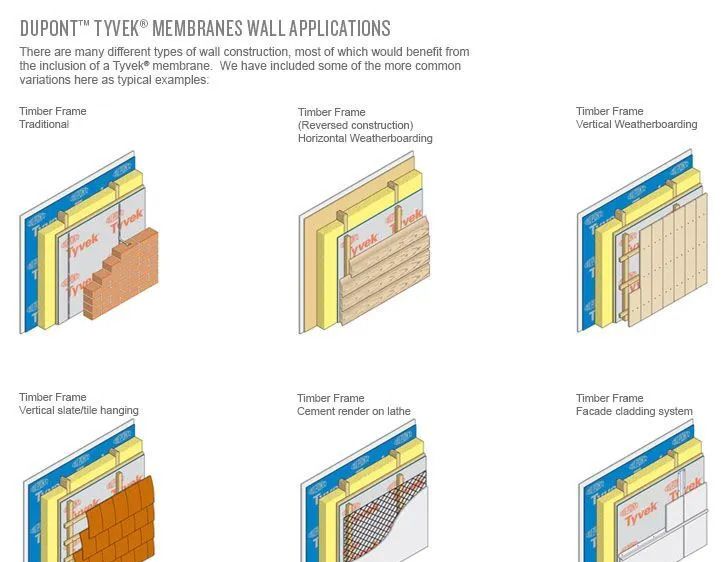
There's a second layer that's easy to overlook: the Washington State Energy Code. Many modern assemblies add continuous exterior insulation or a rainscreen furring gap behind the siding to meet energy code targets, and that changes the fastening math — longer fasteners are needed to reach structural framing through the extra thickness, and the manufacturer's wind rating has to be re-checked against that thicker assembly. A siding product tested and rated for direct-to-sheathing application doesn't automatically carry the same rating once you add an inch of rigid foam and a rainscreen gap behind it; the fastening has to be re-verified for the assembly as built, not just the siding as sold.
South Hill sits high and largely unobstructed above downtown Bellingham, with long, open views toward Bellingham Bay and the Strait of Georgia — which is exactly why it also catches more wind-driven rain than lower, more sheltered parts of the county. Storms coming off the water don't just drop rain, they drive it sideways into south- and west-facing walls, which pushes water past any siding installation that's merely "watertight" in a light rain and finds every gap in flashing, lapping, or fastener penetration that wouldn't matter somewhere calmer.
That combination — near-constant rain for much of the year plus wind pressure — also drives the moss, algae, and mildew growth that's routine on Whatcom County exteriors, especially on north-facing walls and anything shaded by mature trees, which describes a lot of South Hill's older, tree-lined streets. It's cosmetic more often than structural, but it's a real maintenance item homeowners should plan for, not something a siding salesperson should wave away.
Wood rot is the more serious version of the same problem. A lot of South Hill and central Bellingham housing stock is older wood-frame construction, and where original siding, trim, or window flashing has failed quietly behind the surface, moisture has had years to work on the sheathing and framing underneath. Any re-side worth doing starts with pulling enough of the old siding to actually see the wall behind it — not patching over soft sheathing and hoping the new siding looks fine on day one.
Move east and up in elevation — toward Sudden Valley and the foothill communities — and freeze-thaw cycling becomes more of a factor than it is right on the water, where Bellingham Bay moderates temperatures. Repeated freezing and thawing works on caulk joints, fastener heads, and any trapped moisture behind siding, so those homes benefit from drainage and ventilation details that a strictly coastal install might get away without. None of this is hurricane country, and nobody in Whatcom County needs to worry about the wind ratings used in Gulf Coast or Florida markets — the building code here is calibrated to Pacific Northwest wind and rain, not tropical storms, and a contractor quoting hurricane-rated products for a South Hill home is solving a problem you don't have.
Start by asking whoever bids the job for the siding product's evaluation report or manufacturer wind rating and a written fastening schedule for your specific wall assembly, including whether continuous insulation or a rainscreen gap is part of the plan. A contractor who can't produce those documents on request is guessing, not engineering.
It's also fair to ask about the honest tradeoffs. Higher wind-rated assemblies with continuous insulation and rainscreen gaps generally cost more up front than a basic direct-to-sheathing install, and they add a bit of wall thickness that can affect trim details around windows and doors. For an exposed South Hill lot facing the water, that added cost is usually worth it; for a sheltered inland lot, a simpler assembly done correctly may be entirely adequate. A contractor who pushes the most expensive assembly on every job regardless of exposure is optimizing for their margin, not your wall.
Not necessarily a specialty product, but it does need a siding product whose documented wind rating actually covers your lot's exposure category, which on an open, water-facing bluff in South Hill is often higher than on a sheltered inland lot. Most mainstream fiber cement, engineered wood, and vinyl products carry ratings that work fine here when they're fastened to spec — the issue is usually installation, not the product line.
Inspectors typically check fastener type, spacing, and penetration into structural framing; correct lapping and integration of the water-resistive barrier and flashing around windows, doors, and penetrations; clearance from grade and hard surfaces; and, where applicable, that the installed assembly matches the manufacturer's instructions and any continuous insulation requirements tied to the Washington State Energy Code. They're verifying the wall as built, not just the finished appearance.
It's usually because of what's behind the siding, not the siding itself. If your wall has continuous rigid insulation or a rainscreen furring gap to meet Washington State Energy Code targets, fasteners need extra length to reach through that layer and still get proper penetration into structural framing — a difference that isn't visible once the siding is up but matters a lot if a windstorm tests it.
Usually not on its own — it's a common, mostly cosmetic result of Whatcom County's persistent rain and shaded, tree-lined lots, especially on north-facing walls. It's worth attention if it's concentrated around a seam, corner, or fastener line, since that pattern can mean water is getting trapped rather than shedding, which is worth having looked at before it becomes a rot issue.
If you're planning a re-side on South Hill, elsewhere in Bellingham, or anywhere else in Whatcom County — Ferndale, Lynden, Blaine, Birch Bay, Sudden Valley, or the islands — Alpine Exteriors will walk your specific wall assembly against its actual wind exposure, pull the permit, and put the fastening schedule in writing before any siding goes up. Reach out for a straightforward, code-based assessment rather than a one-size-fits-all quote.