
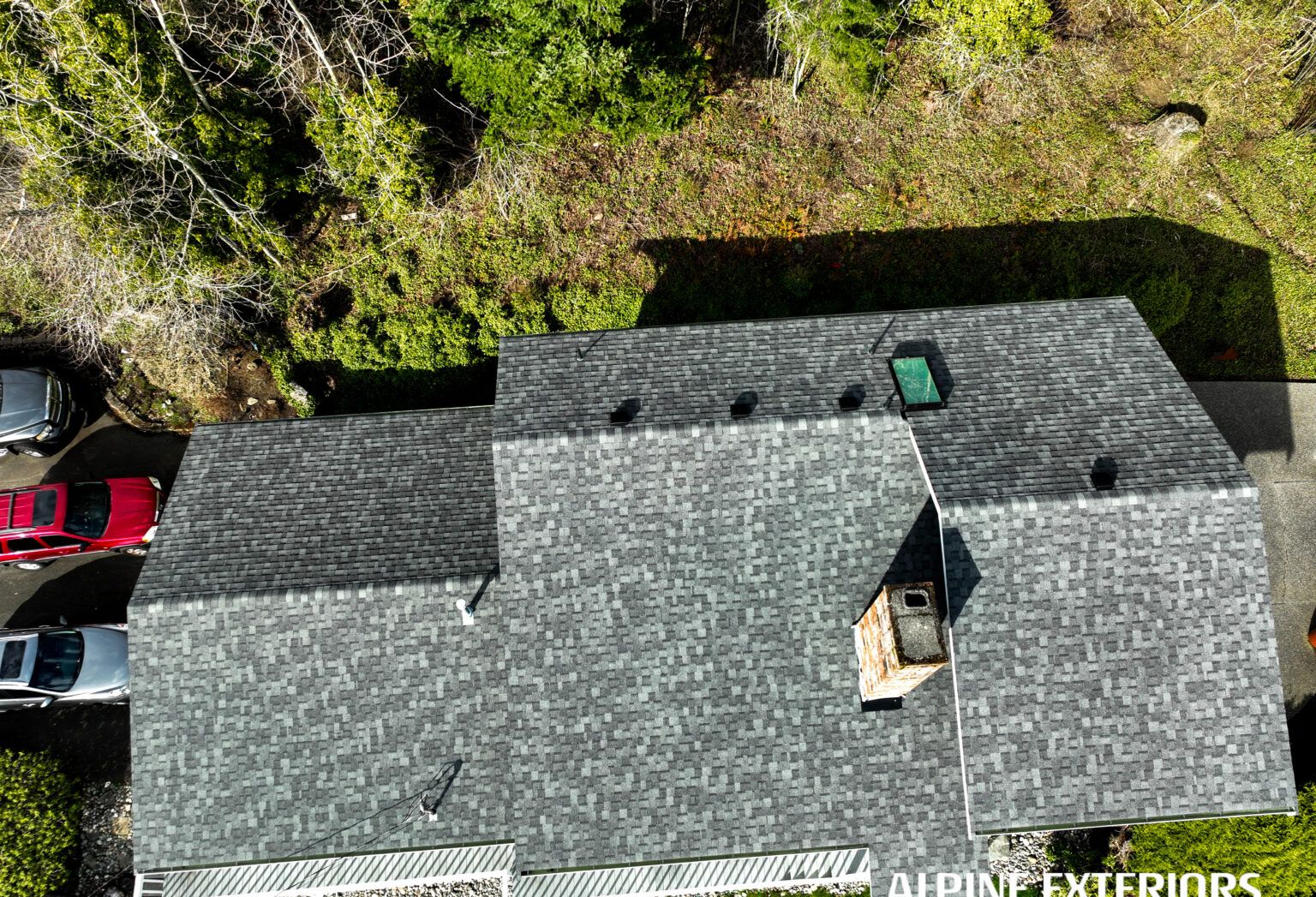
Fairhaven's mix of century-old character homes, mid-century infill, and newer builds tucked into the hillside above Bellingham Bay makes siding pricing here less predictable than a single number can capture. A quote for a small bungalow off 12th Street will look nothing like a quote for a three-story home on the slopes near Sehome Hill or a waterfront property catching the full brunt of wind off the bay. This page walks through realistic ranges, the variables that actually move the price, and what a trustworthy quote from a licensed contractor should contain. Alpine Exteriors has priced siding jobs across Whatcom County long enough to know that the honest answer is almost always "it depends" — but it depends on knowable things, and this page breaks those down.
Most full siding replacement projects in this part of Whatcom County land somewhere in a wide band, and where a given home falls in that band depends on material, square footage, the condition of what's underneath the old siding, and how complicated the roofline and trim details are. Homes closer to the water in Fairhaven and along Bellingham Bay tend to sit toward the higher end of any range because wind-driven rain off the Strait of Georgia and the bay accelerates wear on siding, trim, and the weather barrier behind it, and because many of these homes have more architectural detail — bay windows, dormers, covered porches — than a simple rectangular footprint. The table below breaks the total cost into its major components so you can see where the money actually goes rather than treating siding replacement as one flat number.
| Cost factor | Typical low end | Typical high end | Why it swings |
|---|---|---|---|
| Siding material (installed, per sq. ft.) | Vinyl, mid-grade | Fiber cement or engineered wood, premium profiles | Material alone can roughly double the per-square-foot cost between the cheapest vinyl and a high-end fiber cement lap with deep shadow lines |
| Tear-off and disposal of old siding | Small, single-story home | Large or multi-layer siding (siding installed over siding) | Older Fairhaven homes sometimes have two or three layers of siding stacked over the decades, which adds labor and disposal weight |
| Wood rot and sheathing repair | Minimal spot repair | Extensive sheathing replacement | Persistent Whatcom County rain finds any gap in flashing or caulking over the years; rot discovered once the old siding is off is the single biggest source of quote variance |
| Trim, corners, and detail work | Simple boxy elevations | Bay windows, multiple gables, wraparound porches | Fairhaven's older homes often carry more architectural detail than newer subdivisions, and detail work is priced by the linear foot, not the square foot |
| Moisture barrier / rainscreen assembly | Basic housewrap | Full drainage rainscreen per current energy code expectations | A vented rainscreen gap adds material and labor but is increasingly standard practice for long-term moisture management in this climate |
| Access and site conditions | Flat, easy-access lot | Steep hillside lot, limited staging area | Many Fairhaven streets are steep or narrow, which can require additional staging, lifts, or hand-carrying material |
| Permits and inspections | Straightforward re-side | Scope that triggers additional review | Local permitting requirements vary by scope and jurisdiction within Whatcom County |
Beyond the table above, a handful of regional realities tend to push a Fairhaven quote up or down more than homeowners expect.
Wood rot from long-term moisture exposure. Whatcom County's persistent rain doesn't cause dramatic damage overnight — it causes slow, cumulative damage over years, especially around window trim, butt joints, and anywhere old caulking has failed. Homes built before rainscreen and modern flashing details became common practice are more likely to have hidden rot behind the siding, and that repair cost is rarely knowable until the old material comes off.
Wind-driven rain off the bay and the Strait. Homes with exposure toward Bellingham Bay or the Strait of Georgia take a harder beating from wind-driven rain than homes tucked into more sheltered inland lots. That exposure shows up as accelerated wear on south- and west-facing elevations and can justify a more robust weather barrier detail on those sides of the house.
Moss and algae growth. Shaded lots near Sehome Hill's tree cover or anywhere with limited sun exposure tend to grow moss and algae on siding faster, which isn't just cosmetic — sustained moss growth holds moisture against the siding surface and can contribute to the same slow rot problem described above.
Freeze-thaw cycling in the foothills. While Fairhaven itself sits close to sea level, homeowners with property extending toward the foothills east of Bellingham deal with more freeze-thaw cycling, which can stress certain siding materials and fastening methods differently than the milder coastal microclimate.
Washington State Energy Code compliance. Depending on the scope of the project, re-siding work can trigger energy code considerations around continuous insulation and air sealing under the Washington State Energy Code. A contractor who understands how this applies to a re-side versus new construction can help you avoid scope surprises mid-project.
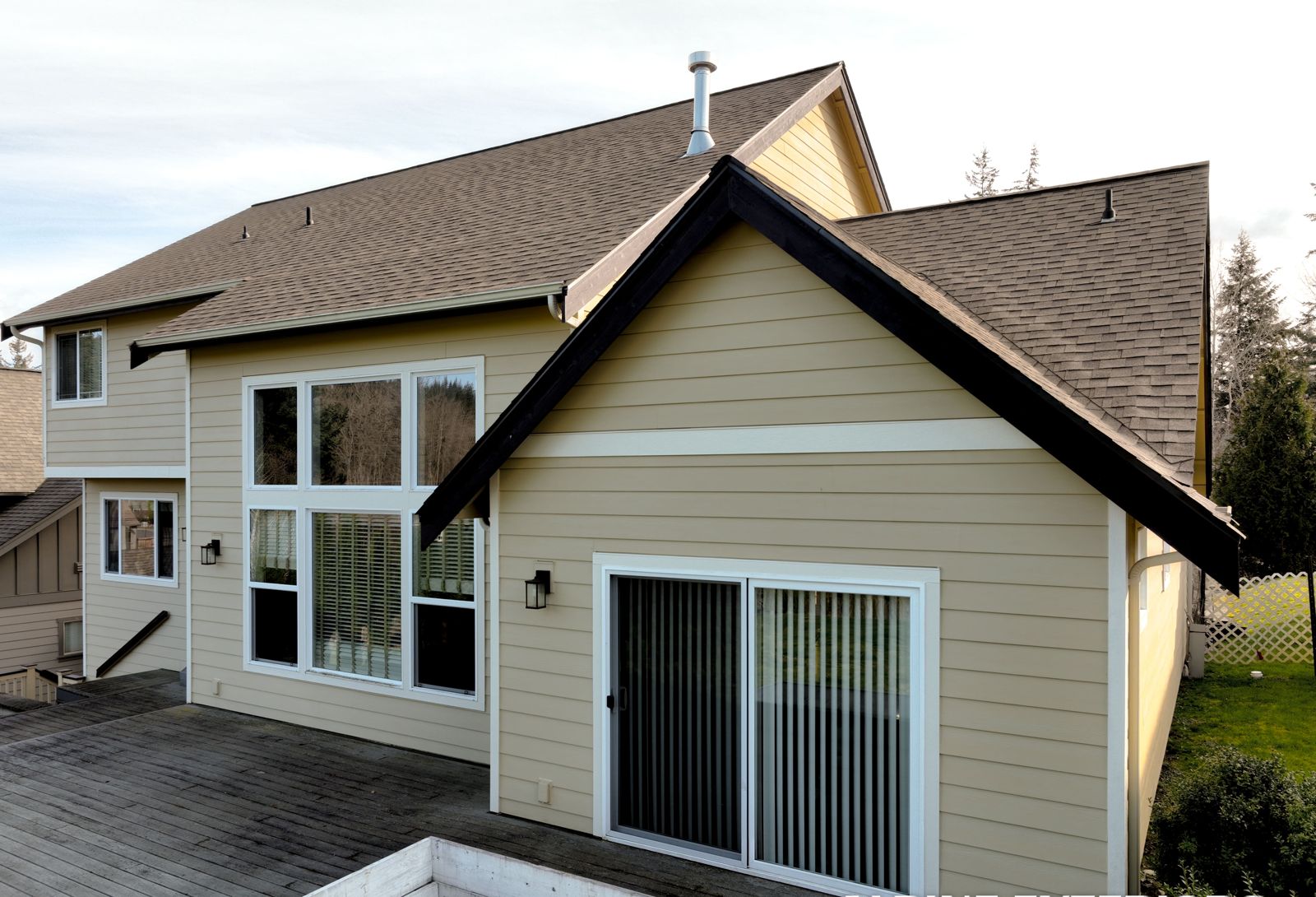
Roofline and architectural complexity. Simple rectangular homes cost less per square foot than homes with multiple gables, dormers, bump-outs, or wraparound porches, because every inside corner, outside corner, and transition adds trim work that's priced separately from flat wall area.
A vague one-line quote ("siding replacement — [total]") makes it almost impossible to compare bids or know what you're actually paying for. A thorough written quote from Alpine Exteriors or any reputable contractor should spell out:
Any Whatcom County contractor you hire should be able to provide their Washington contractor license number on request — Alpine Exteriors' license is ALPINI751OW — and you can verify any contractor's license status directly through the state before signing anything.
The single biggest mistake homeowners make when comparing siding quotes is assuming three bids for "siding replacement" are apples to apples. They rarely are. Before comparing dollar totals, line up each quote against the same checklist: same material and profile, same tear-off scope, same treatment of the moisture barrier, and the same assumptions about existing damage. A lower bid that quietly uses a thinner product, skips a proper rainscreen gap, or assumes zero rot repair isn't actually cheaper — it's a different, smaller scope of work wearing a lower price tag.
Watch for a few honest red flags: a contractor unwilling to put the rot-repair pricing in writing, a quote that doesn't name the specific product being installed, or pressure to sign quickly with a large upfront deposit. On the other end, don't assume the highest bid is automatically the most thorough — ask each contractor to walk through why their number differs from the others, specifically around the rainscreen assembly and how they plan to handle wind-driven rain exposure if your home faces the bay or the Strait.
It's also worth asking each bidder directly how they've handled similar homes nearby — an older Fairhaven house with layered siding history is a different job than a newer build on flatter ground, and a contractor's answer will tell you quickly whether they've actually worked this specific kind of terrain and housing stock.
Many contractors, Alpine Exteriors included, can point homeowners toward financing options for larger siding projects, which can make it easier to address rot damage or a full re-side without paying the entire cost at once. Terms and availability vary and should be confirmed directly rather than assumed.
On the insurance side, it's worth understanding the distinction between sudden damage and gradual deterioration. Homeowners insurance sometimes covers siding damage caused by a discrete storm event, but it typically does not cover the slow, cumulative wood rot or moss-related deterioration that builds up over years of normal Whatcom County weather — that kind of wear is generally treated as a maintenance issue rather than an insurable loss. If you suspect storm damage contributed to your siding's condition, it's worth documenting the damage and checking with your insurer before assuming a claim will or won't apply, since policies vary. Energy code upgrades like a rainscreen retrofit are also generally a homeowner cost rather than something insurance addresses.
Homes with direct exposure to wind-driven rain off Bellingham Bay or the Strait of Georgia tend to show more accelerated wear on their weather barrier and trim over time, which sometimes means more rot repair is needed when the old siding comes off. Contractors may also recommend a more robust moisture barrier detail on the exposed elevations, which adds some cost but is aimed at extending the life of the new siding in that specific exposure.
In almost all cases, yes — a proper re-side involves removing the existing siding down to the sheathing so the moisture barrier and any rot can be inspected and addressed, rather than installing new siding directly over old material. Some older Fairhaven homes already have more than one layer of siding stacked from previous remodels, which is exactly the kind of hidden condition that only shows up once tear-off begins.
Ask for the rot-repair pricing to be broken out as a per-board or per-sheet unit rate agreed to before work starts, rather than an open-ended allowance decided after the fact. A contractor who can explain their unit pricing clearly and is willing to document any additional damage with photos before repairing it is generally easier to trust than one who avoids specifics.
Timelines depend heavily on home size, the amount of rot repair needed, and the weather window, since persistent rain can delay exterior work. A straightforward re-side on a modest home moves faster than a larger project with extensive trim detail or unexpected sheathing repair, so any contractor's timeline should be treated as an estimate that can shift with weather and what's found once the old siding is off.
The most useful next step isn't guessing at a number from a table — it's getting a written, itemized estimate for your specific home, roofline, and exposure. Alpine Exteriors, WA license ALPINI751OW, serves Fairhaven, Bellingham, Ferndale, Lynden, Blaine, Birch Bay, Sudden Valley, and the surrounding islands, and can walk your property, note the condition behind the existing siding where visible, and put together a detailed quote that spells out material, tear-off, moisture barrier, and rot-repair pricing up front so you're comparing real numbers instead of guesses.