
Replacing siding on a Lummi Island home follows the same core sequence as any siding project in Whatcom County — tear-off, sheathing repair, weather barrier, new cladding, trim and paint — but the island adds a layer most mainland jobs don't have to think about: everything, including your crew, your materials, and your debris, crosses Hale Passage on the Whatcom Chief ferry. That single fact shapes almost every scheduling decision on the job, and it's the piece homeowners on the mainland side of Whatcom County rarely have to plan around.
For a typical single-family home in the 1,800 to 3,200 square foot range, plan on roughly two to four weeks of on-site work once materials are staged and the crew is mobilized, longer if tear-off uncovers rot that needs to be cut out and rebuilt, or if a fall storm pushes wind-driven rain in off the Strait faster than the schedule allows. Add another one to three weeks on the front end for permitting, material lead time, and ferry coordination before the first piece of old siding comes off. Homes closer to the water in Legoe Bay or along the island's more exposed west-facing shoreline tend to run toward the longer end of that range, both because they've usually taken more weather exposure over the years and because equipment access is tighter on those lots.
None of these numbers are guarantees — every house is different, and island logistics can add a day here or there that a comparable Bellingham job wouldn't see. What we can commit to is sequencing the work so your home isn't left with open walls overnight, and building ferry sailings into the schedule from the estimate stage rather than discovering the problem the morning materials are supposed to arrive. Alpine Exteriors treats that coordination as part of the job, not an afterthought.
Lummi Island is unincorporated Whatcom County, so permits for exterior work go through Whatcom County Planning & Development Services rather than a city building department. Straightforward, like-for-like siding replacement is often treated as repair and maintenance, but if the scope includes new sheathing, structural repairs to rotted framing, or any change to window and door openings, expect a standard building permit review. Because a number of island homes sit close to the water, we also check whether a given property falls inside Whatcom County's Shoreline Master Program jurisdiction; most re-siding work qualifies for an exemption as ordinary repair, but that has to be confirmed before demo starts, not after.
If your property is part of a private plat or shared-road association with recorded covenants — not uncommon in some of the smaller subdivisions around the island — pull your CC&Rs and check for exterior color or material restrictions before we place a material order. Nothing stalls a project like a siding color that needs re-approval after the boxes have already crossed on the ferry.
Material lead time is the other piece that has to be locked in early. Fiber cement siding, the product we spec most often here because of how it resists the moisture, moss and rot that plague wood siding in this climate, is typically special-ordered in the colors and profiles homeowners want, and that can mean four to eight weeks from order to delivery depending on the manufacturer's backlog. Trim boards, house wrap, flashing tape and fasteners usually move faster, but we order everything as one coordinated shipment where possible rather than making repeat ferry crossings with partial loads. The Whatcom Chief has real, finite space per sailing — it's a small auto ferry, not a bridge — so a delivery truck carrying a full pallet of siding needs its crossing timed around that constraint, and that goes into the schedule from the first estimate.
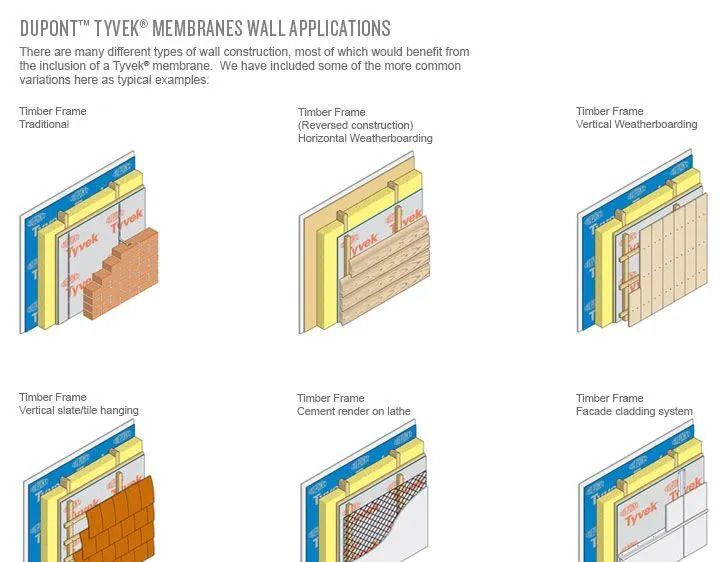
Once permits are in hand and materials are staged on the island — we generally stockpile everything on-site before crew mobilization rather than trickling it over on multiple sailings — the physical work moves through the same sequence on every job:
A little preparation on your end keeps the crew working instead of waiting. Move vehicles, boats, trailers and equipment away from the work perimeter — space is often tighter on island lots than it looks on paper, and a truck or dinghy parked against the house can cost the crew half a morning of repositioning material. Trim back shrubs and vines that touch the exterior walls, and take down anything mounted on the siding itself, like house numbers, hose reels or lighting.
Because the crew commutes by ferry, daily start and end times are built around the Whatcom Chief's sailing schedule rather than a fixed clock hour, which means the crew may arrive slightly earlier or later than on a mainland job depending on that day's sailings and any weather-related ferry delays. We'll walk you through what that looks like for your specific timeline rather than promising a start time we can't fully control.
Expect noise, dust and foot traffic around the perimeter of the house for the duration of tear-off and install. If pets spend time in the yard, plan to keep them elsewhere during active work hours. Interior finishes are rarely affected on a straightforward re-side, but if window or door openings are being adjusted, flag any nearby interior finishes so we can protect those too.
Before the crew leaves for good, the site gets a nail and debris sweep — a magnetic roller pass around the foundation perimeter and driveway to pick up stray fasteners, followed by a general cleanup of cut-offs, packaging and old siding material. Because debris removal also has to cross the ferry, we schedule dumpster pulls or load-outs around sailing times just like material deliveries, so you're not left with a half-full dumpster sitting in the driveway for an extra week waiting on a crossing.
The final walkthrough is where we go around the house together — every elevation, every window and door transition, every piece of trim — and you get to point out anything that doesn't look right before we call the job done. We check reveal consistency, caulking lines and paint touch-up, and confirm nothing was left loose or unfinished. Punch-list items get addressed before final invoicing.
New siding isn't maintenance-free, especially in a climate that grows moss and algae on north- and east-facing walls as readily as Whatcom County does. Plan on an annual walk-around to check caulking at trim and window transitions, and a gentle soft-wash — never a direct high-pressure wash at the siding — every year or two to keep moss and algae from taking hold on shaded elevations. Keep gutters clean and downspouts directing water well away from the foundation; a clogged gutter dumping water down a wall is one of the more common causes of premature siding failure we see when we're called to island homes for repair rather than full replacement. Lummi Island's marine setting also moderates temperature swings enough that freeze-thaw cycling — more of a factor for siding inland in the Whatcom County foothills, around places like Sudden Valley — plays a smaller role here than persistent rain and biological growth do.
Fiber cement and most quality engineered-wood products carry a manufacturer's material warranty, and Alpine Exteriors backs our installation labor with our own workmanship warranty and holds Washington contractor license ALPINI751OW. We'll go over exactly what's covered, and what isn't — like damage from improper pressure washing or impact damage — before the job starts, in writing, so there's no ambiguity later. Keep your permit close-out and warranty documents somewhere you can find them if you sell the home.
It can add a modest amount compared to an equivalent mainland Bellingham job, mainly through the extra coordination needed for material deliveries and debris haul-off around ferry sailings, and occasionally through longer crew days to make efficient use of time on the island. It's not a dramatic cost driver, but it's real, and it should show up in the estimate rather than as a surprise later.
Fiber cement is the product we recommend most often for Lummi Island and the rest of Whatcom County because it resists moisture absorption, doesn't feed rot the way untreated wood can, and stands up well to the moss and algae growth that persistent rain encourages. Engineered wood siding with a factory-applied moisture barrier is a reasonable alternative at a different price point. Vinyl is more budget-friendly but performs less predictably in wind-driven rain and can show its age faster on exposed, water-facing elevations.
We stop, document what we found with photos, and talk it through with you before covering anything back up. Rotted sheathing or framing has to be cut back to solid wood and rebuilt before new siding goes on — skipping that step just traps the problem behind new material. This is the single most common reason a project's scope or cost changes from the original estimate, and it's more common on older island homes that took years of wind-driven rain without a rainscreen gap behind the old siding.
Work can happen most of the year, but late fall through winter brings the heaviest, most persistent rain and the strongest wind off the Strait, which slows tear-off and paint or caulk curing and adds ferry-schedule uncertainty during storm events. Late spring through early fall is generally the more efficient window for a full re-side, though we do schedule winter projects when that fits a homeowner's timeline — we just plan for more weather-related pauses.
If your Lummi Island home is showing soft spots, peeling paint, or siding that's held onto moss longer than it should, it's worth having someone look at it before those small problems turn structural. Alpine Exteriors has worked through the permitting, ferry logistics and weather realities specific to island jobs, and we'll walk your property with you, tell you honestly what we find, and lay out a realistic timeline and scope before any material gets ordered. Reach out to schedule a site visit and estimate for your Lummi Island siding replacement.