
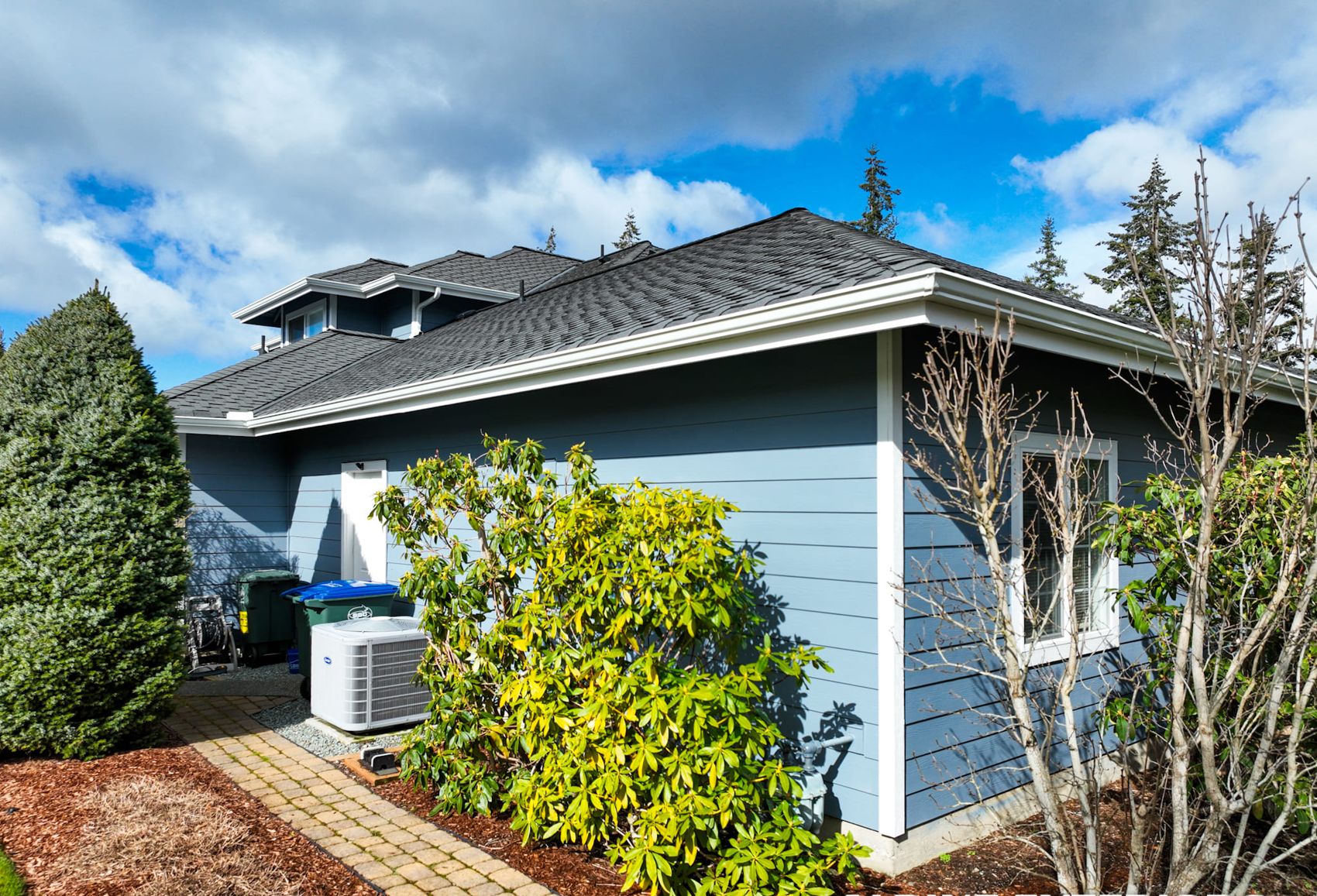
Semiahmoo sits at the very edge of Washington, a spit and shoreline community tucked against Semiahmoo Bay and the Strait of Georgia, just south of the Canadian border near Blaine. It's one of the more exposed pockets of Whatcom County we work in — homes here take wind-driven rain straight off the water, and the marine humidity keeps everything from cedar shakes to vinyl lap siding damp longer than it would stay in, say, Lynden or the foothills above Sudden Valley. If you own a home on the spit, along Drayton Harbor, or up in the bluff neighborhoods overlooking the bay, a siding replacement here has a few extra wrinkles worth understanding before a crew ever shows up. This guide walks through the realistic timeline, the prep work, the order of operations, and what happens after the last piece of trim goes up.
For a typical single-family home in Semiahmoo — say 1,800 to 3,200 square feet — a full siding replacement usually runs somewhere between one and three weeks of actual on-site work, not counting the weeks that come before it for permitting and material ordering. That range is wide on purpose: a straightforward re-side over sound sheathing with a common material like fiber cement lap or vinyl moves faster than a job where we're finding rot under old cedar siding, which is common on older homes near the water that have taken decades of wind-driven rain. Once we open the wall and find soft sheathing or rotted framing around windows, the timeline extends, sometimes by several days, while that structural work gets done properly before any new siding goes back on.
Weather is the other variable. Whatcom County's wet season runs roughly October through April, and Semiahmoo's shoreline exposure means rain often arrives sideways rather than straight down. We don't install siding, house wrap, or flashing in active rain — moisture trapped behind new siding is exactly the problem we're trying to prevent, not create. That means a project scheduled in December or January may have more weather-delay days built in than the same job scheduled in July. We build that into the schedule up front rather than promising a date we can't control.
Siding replacement in Whatcom County generally requires a building permit through Whatcom County Planning & Development Services, or through the City of Blaine's building department if the property falls within city limits — Semiahmoo itself straddles both jurisdictions depending on the exact parcel, so confirming which one applies is one of the first things we sort out. Any project that changes the wall assembly — adding rigid insulation, switching from single to double wall wrap, or altering the drainage plane — needs to meet the current Washington State Energy Code, which sets minimum requirements for wall insulation and air sealing on residential exteriors. We account for code compliance in the proposal rather than treating it as an afterthought.
Semiahmoo has a meaningful number of properties inside homeowners' associations, particularly around the resort, marina, and golf course areas, where architectural review committees have their own rules about siding color, material type, and sometimes even fastener exposure. If your property is in an HOA, plan on submitting an architectural request before any permit application goes in — HOA approval timelines can run two to six weeks depending on how often the committee meets, and that clock should start well before a demolition date is picked.
Material lead time is the piece homeowners most often underestimate. Fiber cement siding in specific colors or textures, certain vinyl profiles, and most factory-finished metal or engineered wood products are not stocked locally in bulk — they're ordered to spec and can take anywhere from two to eight weeks to arrive, longer during regional supply crunches. Trim boards, corner pieces, and matching J-channel sometimes lag behind the main siding order. We lock in material orders as soon as a contract is signed specifically because a two-week gap in delivery is far more disruptive once a crew is already on-site and the old siding is off the wall.
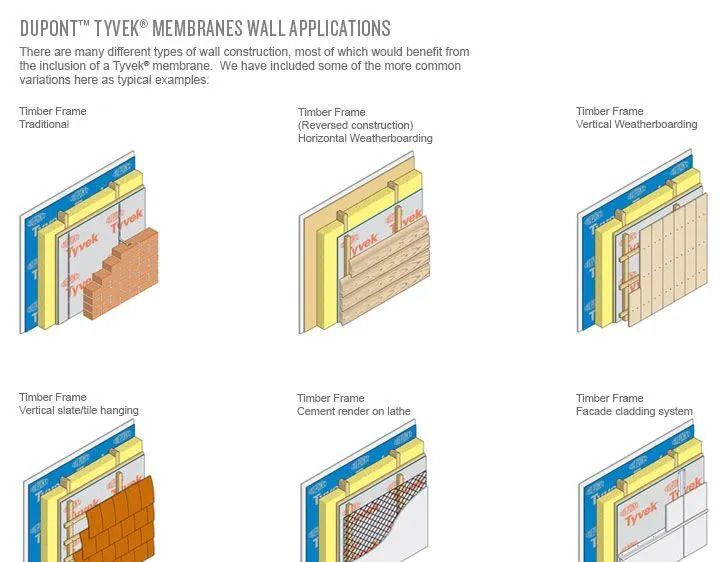
Every siding job follows roughly the same sequence, though the time spent at each stage depends on what we find once the old siding comes off.
Because Alpine Exteriors sequences the work this way, a homeowner will typically see visible progress every day rather than long stretches where nothing seems to be happening — though the sheathing-repair stage can occasionally slow things down if damage is more extensive than the initial inspection suggested.
A few days before work begins, it helps to clear a perimeter of roughly ten feet around the house — patio furniture, potted plants, garden ornaments, and anything hanging on exterior walls like address plaques or lighting fixtures. Vehicles should be moved out of the driveway on demolition days since debris removal and material staging need that space. Anyone with pets should plan on keeping them away from exterior doors during work hours, since crews are in and out constantly and old siding often comes down with nails and sharp edges.
Inside the house, expect noise — pneumatic nailers and occasional saw cutting are loud enough to be noticeable through interior walls, especially in rooms adjacent to the work zone. Homeowners with home offices or infants on nap schedules sometimes plan around specific wall sections being worked on a given day, which we're happy to coordinate on when we can. It's also worth notifying any close neighbors, particularly in the tighter-lot areas near the marina, since dumpster placement and crew parking can affect shared driveways or street parking during the project.
Depending on the scope of work and which jurisdiction issued the permit, a final building inspection may be required before the job is considered closed out. We schedule that inspection once trim and flashing details are complete, and we're present for it to address anything the inspector flags on the spot rather than leaving that for a follow-up visit.
Cleanup happens throughout the project, not just at the end — old siding and debris get bagged or bundled daily rather than left to accumulate, partly for safety and partly because a job site sitting under Whatcom County rain for a week turns into a mess fast. At the end of the project, we do a magnetic sweep of the ground near the house to catch stray nails and screws, along with a visual walk of the yard, gutters, and any hardscaping that was near the work area.
The final walkthrough is done with the homeowner present, going panel by panel and detail by detail — corner trim, window and door flashing, caulking lines, and any areas where the old and new materials meet. This is the point to flag anything that looks off before the crew demobilizes, and we'd rather spend an extra twenty minutes on a thorough walkthrough than have a homeowner notice something a week later.
New siding doesn't need much in the way of ongoing maintenance, but Whatcom County's climate does call for some attention over time. Persistent rain and shaded, moisture-holding wall sections — particularly north-facing walls or areas under overhanging trees — are prone to moss and algae growth over the years, even on new siding. A periodic gentle wash (not high-pressure, which can force water behind panels or damage caulk lines) keeps growth from establishing and preserves the finish. Caulk joints at trim and penetrations should be checked every couple of years, since UV exposure and the freeze-thaw cycles that hit the foothill-adjacent parts of the county, and occasionally reach the shoreline during cold snaps, can cause sealant to crack faster than in milder climates.
Materials carry their own manufacturer warranties, which vary by product — fiber cement, vinyl, and engineered wood each have different coverage terms and exclusions, and we go over the specific manufacturer documents at contract signing rather than giving a generic number. Separately, Alpine Exteriors backs its installation labor with its own workmanship warranty, which covers issues tied to how the work was done rather than product defects. Keeping receipts, warranty registration paperwork, and photos from the final walkthrough in one folder makes any future claim, whether material or workmanship, much easier to process.
Most single-family homes take one to three weeks of active work, with the wide range mostly explained by how much sheathing or framing repair is needed once the old siding comes off, plus how many weather-delay days fall during the project. Homes with a history of moisture problems near the water tend to land toward the longer end of that range.
Sometimes, and it's more common on older homes along the Semiahmoo shoreline than in drier inland parts of the county, simply because of decades of exposure to wind-driven rain off the bay. We can't know the full extent until the siding is removed, but we inspect and photograph any damage before repairing it, and that work is priced separately from the base siding scope so there are no surprises on the invoice.
In most cases, yes. Depending on the exact parcel, that permit comes from either Whatcom County Planning & Development Services or the City of Blaine, and any change to the wall's insulation or air-sealing has to meet the current Washington State Energy Code. If the property is inside an HOA, architectural approval typically needs to happen before the permit application is submitted.
No — house wrap, flashing, and siding all need to go on over a dry substrate, and Whatcom County's wet season means winter projects should expect more scheduled buffer days than a summer install. We'd rather push a day than trap moisture behind a wall that's supposed to keep water out.
If you're weighing a siding replacement on the Semiahmoo shoreline or anywhere else in Whatcom County, Alpine Exteriors is happy to walk your property, look at what's actually happening behind the existing siding, and lay out a realistic timeline and scope before any contract is signed. Alpine Exteriors holds Washington contractor license ALPINI751OW — reach out to schedule a walkthrough and get a straight answer on what your home needs.