
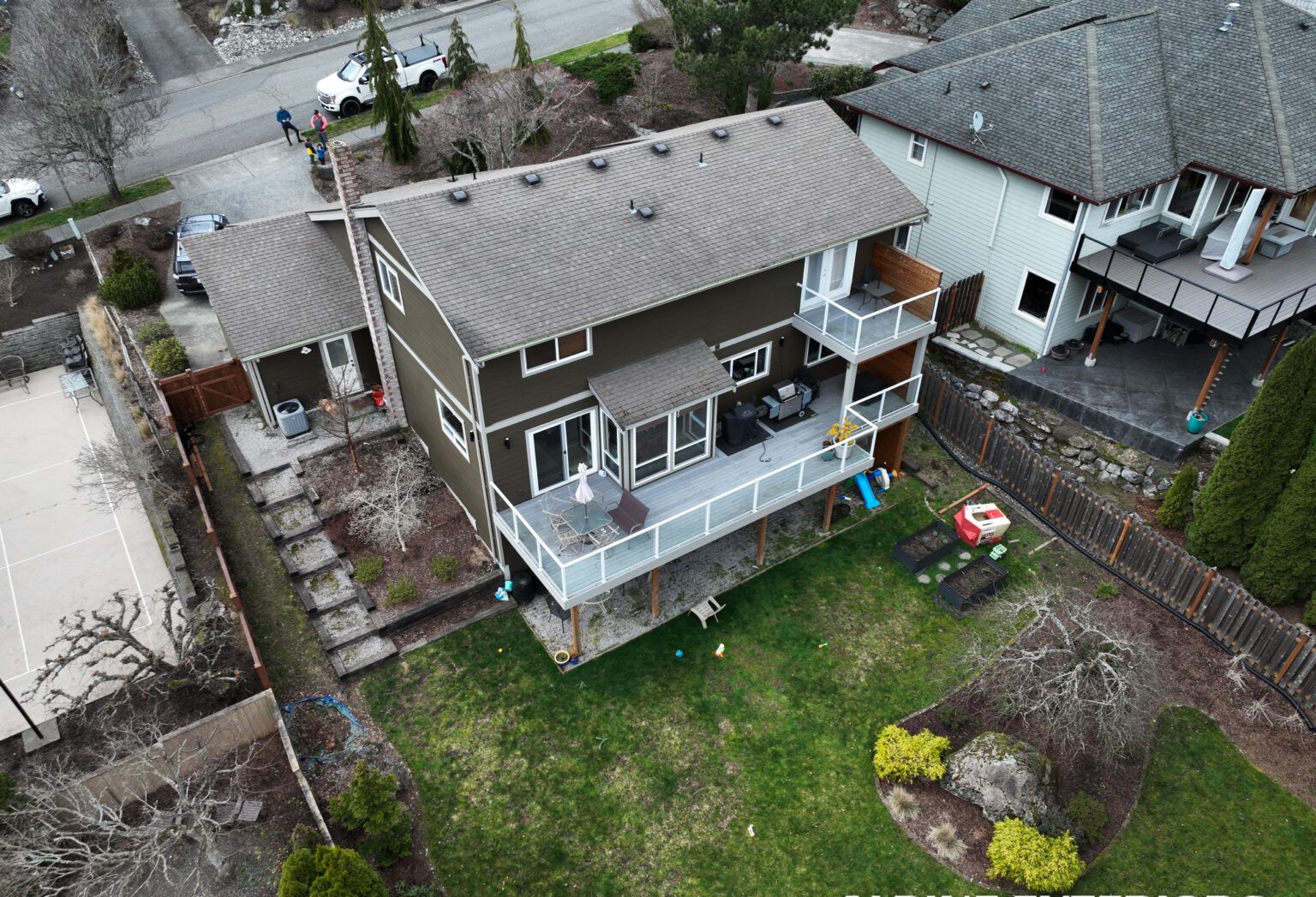
Board and batten has become one of the most requested siding styles in Whatcom County, from farmhouse-style new builds in Lynden and Ferndale to modern remodels in Bellingham and waterfront homes around Birch Bay and the islands. The vertical board pattern reads clean and contemporary, but it is not the cheapest way to side a house. Because every board edge and every batten strip has to be measured, cut, fastened, and sealed individually, board and batten almost always costs more than standard horizontal lap siding on the same house. This page walks through realistic price ranges for this region, the factors that push a project toward the low end or the high end, what a legitimate quote should spell out, and how to compare bids from different contractors without guessing.
There is no single number that applies to every home, because the range depends heavily on material choice, the condition of what is currently on the wall, and how complicated the house shape is. As a starting point, a full board and batten re-side on a typical single-family home in Whatcom County tends to fall somewhere between the mid five figures for a smaller, simpler home in an economical material, up to well beyond that for a large two-story home finished in cedar with a full rainscreen assembly. Small accent applications — a single gable end, a porch surround, or a garage face — cost far less than a full re-side and are a common way homeowners in Bellingham and Ferndale add the look without committing to it on the whole house.
The table below breaks the project into its major cost drivers with approximate low-to-high ranges. These are planning ranges, not a quote — your actual number depends on the specifics of your house and the bids you collect.
| Cost Factor | What It Covers | Typical Range |
|---|---|---|
| Material choice | Vinyl board-and-batten panels vs. engineered wood (e.g., LP SmartSide) vs. fiber cement (e.g., James Hardie board and batten) vs. real cedar | Roughly $6–$10/sq ft for vinyl up to $16–$28/sq ft for clear or select cedar, installed |
| Tear-off and disposal | Removing existing siding, hauling debris, and disposing of it | Low if it's a single easy layer; high if there are multiple layers or hazardous old materials to handle |
| Sheathing and rot repair | Replacing water-damaged sheathing or framing discovered once old siding comes off | Can range from minimal to a significant added cost on homes with a history of moisture intrusion |
| Rainscreen / weather-resistive barrier | House wrap plus vertical furring strips that create a drainage gap behind the siding | A meaningful add-on cost, but one that pays off in a climate this wet |
| House complexity | Dormers, multiple gables, tall walls, water or island-only access | Simple rectangular homes price lowest; complex rooflines and hard-to-reach sites price highest |
| Finish | Factory pre-finished panels vs. site-applied paint or stain on raw wood, plus future recoats | Pre-finished materials add less upfront; raw cedar adds both an initial finishing cost and a recurring maintenance cost |
Material is usually the single biggest swing factor. Vinyl board-and-batten panels are the most budget-friendly option and require no painting, but they don't have the crisp shadow lines that make the style desirable in the first place, and they can look flat compared to real boards. Engineered wood products sit in the middle — they hold paint well and are less prone to splitting than solid wood, but the substrate is still wood-based and depends on correct flashing and gaps to avoid swelling in a wet climate. Fiber cement is a common choice for board and batten in this area because it holds up to persistent rain and doesn't feed moss and algae growth the way bare wood can, though it is heavier to install and typically costs more in labor. Real cedar gives the most authentic look and is popular on higher-end homes in Bellingham and Sudden Valley, but it is the most expensive option and needs a repaint or restain cycle to stay protected.
Beyond material, several conditions specific to Whatcom County affect both the price and the right specification for the job. Wind-driven rain off Bellingham Bay and the Strait pushes moisture sideways into wall assemblies, which is why a rainscreen gap and generous, correctly detailed flashing at every horizontal batten line matter more here than in a drier climate — skipping that detail to save money up front is one of the more common ways board and batten fails early on this coast. Moss and algae growth on north-facing and shaded walls is a near-constant issue in this region, and it factors into material choice and finish selection, since some coatings and cladding types resist biological growth better than others. Homes closer to the Mt. Baker foothills and around Sudden Valley see more freeze-thaw cycling than the lowlands near Bellingham Bay, which affects fastener choice and caulk selection at board seams, since materials that stay flexible through repeated freezing and thawing hold up longer. Finally, height and access change labor costs meaningfully — a two-story home, a steep site, or a waterfront property reachable only by a private road or ferry all add cost that a single-story in-town lot would not.
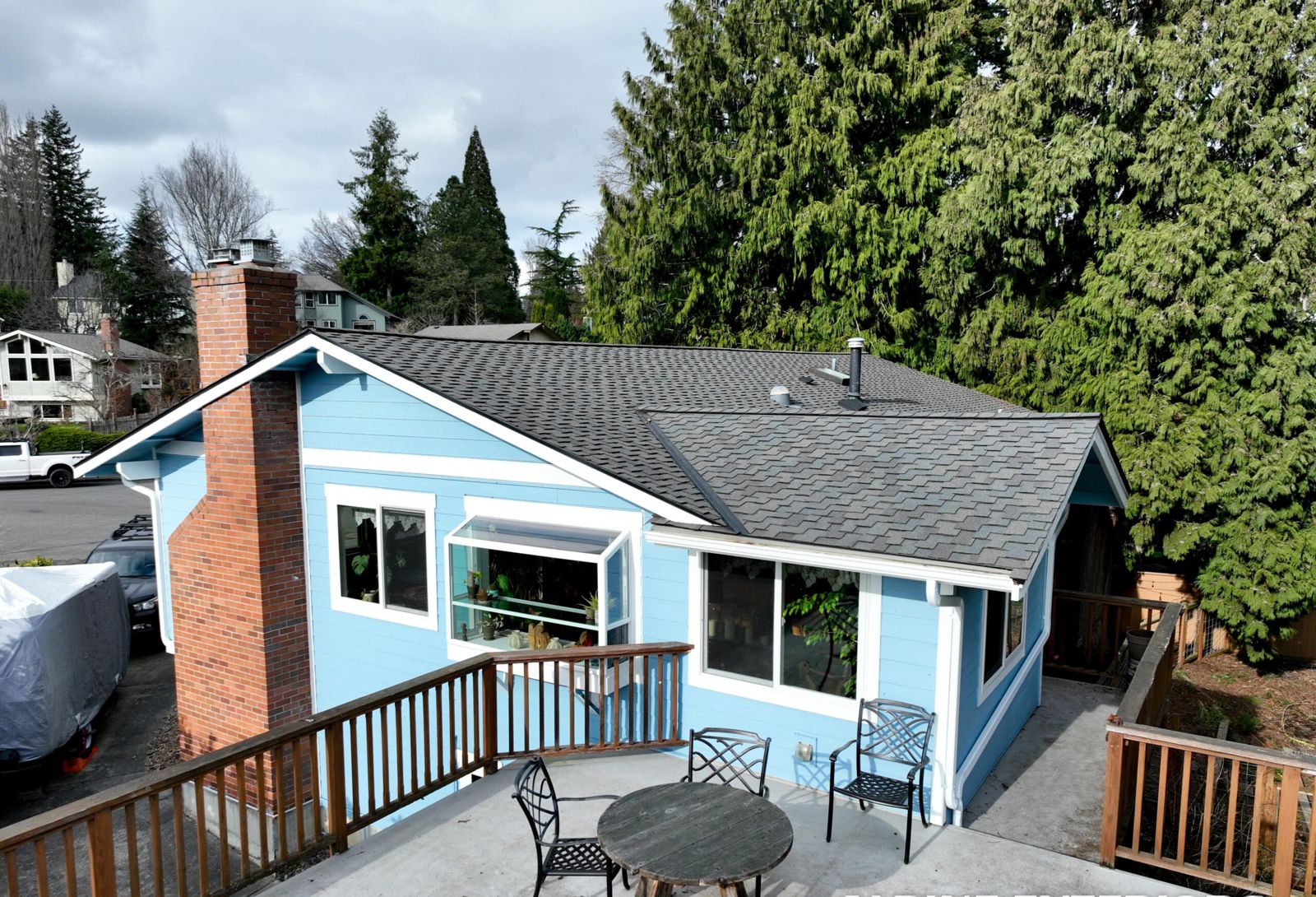
A complete, honest quote for board and batten siding should itemize far more than a total dollar figure. At minimum, look for: tear-off and disposal of the existing siding; an allowance or process for handling sheathing repair if rot is found once the old siding is off; the specific house wrap and rainscreen assembly being used; corner boards, trim, and window and door casing detail; fastener type (stainless steel or hot-dip galvanized fasteners resist corrosion far better than standard coated fasteners in a coastal, high-moisture climate); material brand and thickness, not just "board and batten"; labor cost separated from material cost; cleanup and haul-away; permit fees and who is responsible for pulling the permit; and warranty terms, both the manufacturer's material warranty and the contractor's workmanship warranty, stated separately since they are not the same thing. Alpine Exteriors provides written, itemized quotes that break out each of these line items so homeowners in Bellingham, Ferndale, Lynden, Blaine, Birch Bay, and Sudden Valley can see exactly what they're paying for before work starts.
The only fair way to compare bids is line by line, not bottom-line total. Two quotes that look close in price can represent very different scopes — one might include a full rainscreen and stainless fasteners, while the other uses standard house wrap and coated fasteners, which will show up as a cost difference down the road even if it doesn't today. Confirm each contractor is quoting the same material grade and thickness, not just the same product category. Ask whether sheathing repair is included as an allowance or billed separately if discovered, since this is one of the most common sources of change orders on older Whatcom County homes. Verify the contractor's Washington state contractor license and general liability and workers' compensation insurance before signing anything — Washington's L&I license lookup is a quick way to confirm a license is active and bonded. Alpine Exteriors holds Washington contractor license ALPINI751OW, and homeowners are welcome to verify it independently. Be cautious of quotes that skip a site visit entirely, that ask for a large deposit before any material is ordered, or that don't have a local address or verifiable local project history — these are common warning signs, not just in this region but generally.
Many siding contractors, Alpine Exteriors included, can connect homeowners with third-party financing options so a re-side doesn't have to be paid in full upfront; terms and approval depend on the lender, not the contractor, so it's worth comparing rates rather than accepting the first offer. Some homeowners also fold siding work into a home equity line of credit, especially when it's bundled with other exterior improvements. On the insurance side, this region doesn't see hurricane-related siding claims, but wind-driven rain events off the Strait and Bellingham Bay do occasionally cause water intrusion damage that shows up as rot inside a wall assembly — if that's the situation, check with your homeowner's insurance carrier before starting work, since some water damage may be covered depending on the cause and your policy's specific exclusions. Document any visible damage with photos and get a written estimate to submit with a claim if you go that route. It's also worth asking your utility provider whether any weatherization or energy-efficiency rebate programs are currently active, since adding continuous insulation under new siding to meet current Washington State Energy Code requirements can sometimes qualify.
Board and batten requires installing individual vertical boards and then a second layer of narrower battens over every seam, roughly doubling the number of pieces, fasteners, and caulk lines compared to a single layer of horizontal lap siding, and that additional labor is the main reason it costs more per square foot even in the same material.
Yes — persistent rain, wind-driven moisture off Bellingham Bay and the Strait, and this region's tendency toward moss and algae growth all favor materials and installation details (like a rainscreen gap, correctly lapped flashing, and corrosion-resistant fasteners) that manage water rather than just resist it, and skipping those details to cut cost tends to show up as callbacks within a few years.
In most cases yes, particularly if the existing siding shows signs of moisture damage, since board and batten needs a flat, sound surface with a properly installed weather-resistive barrier underneath, and installing over damaged or uneven material just traps the problem behind the new siding.
Timelines vary with house size, weather windows, and whether sheathing repair is needed, but homeowners should expect a full re-side to take longer than it would with lap siding of the same square footage, simply because of the extra boards, battens, and seams involved; a contractor should give a specific estimated timeline as part of the written quote.
If you're weighing board and batten for a home in Bellingham, Ferndale, Lynden, Blaine, Birch Bay, Sudden Valley, or the surrounding islands, the most useful next step is a site visit and a written, itemized quote you can actually compare against other bids. Alpine Exteriors (WA contractor license ALPINI751OW) serves Whatcom County and can walk through material options, the condition of your current siding, and what a rainscreen-ready installation would look like for your specific house.