
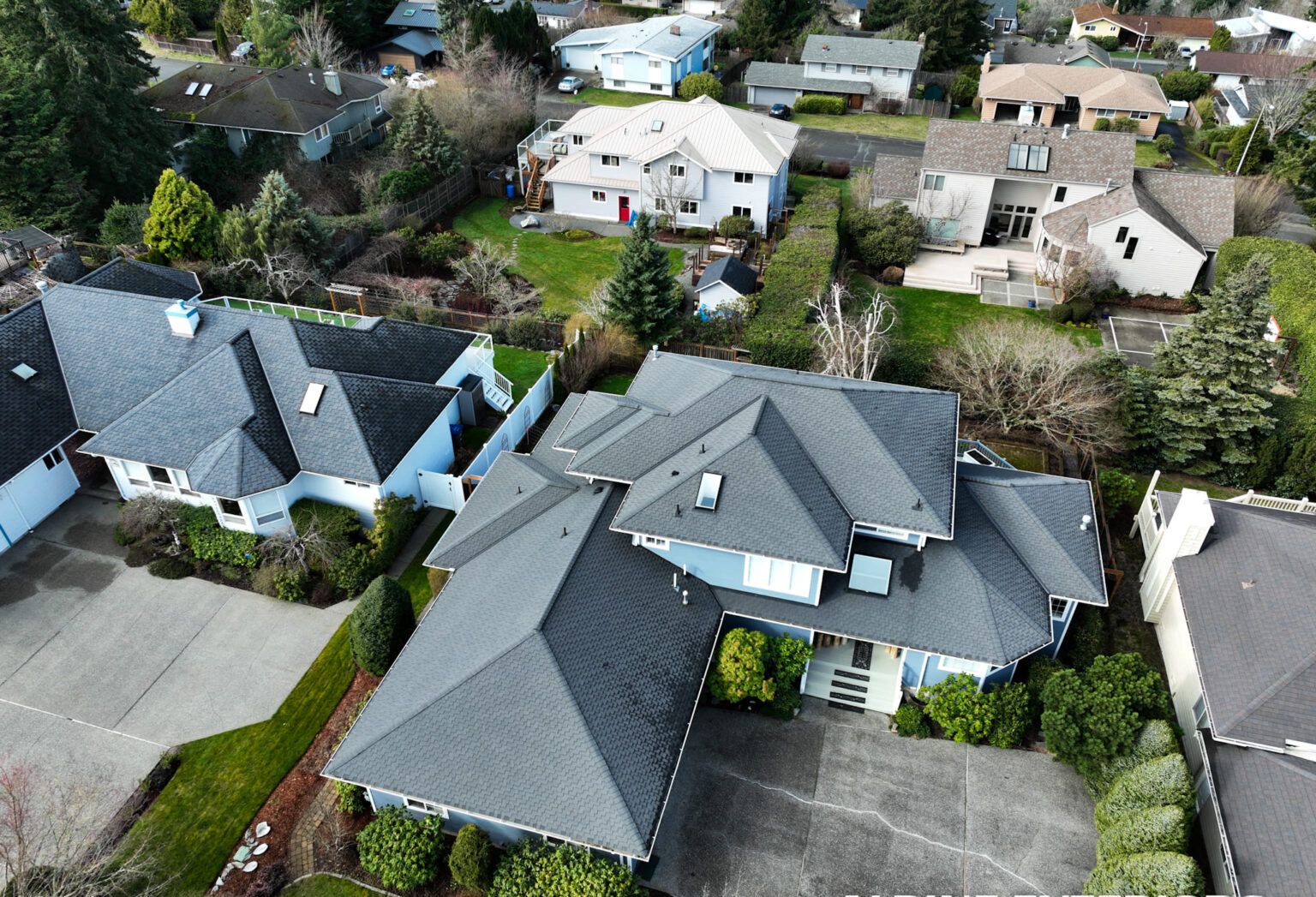
Barkley Village sits close enough to Bellingham Bay that homes here take a steady beating from wind-driven rain, salt-tinged air, and the kind of low gray drizzle that can sit on a wall assembly for days at a time. That's exactly the environment James Hardie fiber cement siding was built for, which is part of why so many homeowners in this neighborhood, and across Whatcom County more broadly, ask about it before they ask about anything else. The honest answer to "what does it cost" is a range, not a number, because the price depends on the condition of what's already on your walls, the shape of your house, and choices you make about color and trim. This page walks through that range and the variables that push a project toward the low end or the high end, so you can read a quote from Alpine Exteriors, or from any other licensed contractor, and understand what you're actually paying for.
Fiber cement siding installed in this part of Whatcom County generally lands in a mid-to-upper range compared with vinyl and below the top end of cedar or engineered wood, once labor, moisture protection, and finish work are all counted. Where a specific home falls in that range depends heavily on square footage, the number of stories, roof pitch and eave detail, and how much of the existing wall assembly needs to be repaired before new siding can go up. A single-story rambler near Cordata with straight walls and a recent building envelope will price out very differently than a two-story home in Sudden Valley with steep gables, multiple dormers, and decades-old siding hiding rot at the base of the walls. Because every project is different, treat any number you see online, including the ranges below, as a starting point for a conversation, not a quote.
| Cost Factor | What Pushes It Low | What Pushes It High |
|---|---|---|
| Tear-off & disposal of old siding | Single layer, easy access, dumpster fits in driveway | Multiple layers, asbestos-era siding testing/abatement, tight lot access |
| Wall sheathing & rot repair | Dry walls, no rot found once old siding is off | Soft sheathing at window sills, corners, or the bottom plate from years of trapped moisture |
| Weather barrier & rainscreen | Standard housewrap over sound sheathing | Full rainscreen gap system recommended for high wind-driven rain exposure |
| Siding profile | HardiePlank lap siding, standard reveal | HardieShingle or HardiePanel with board-and-batten trim, mixed profiles |
| Color | Standard field-paint color | Factory-applied ColorPlus finish in a premium color |
| Trim, fascia & soffit work | Existing trim in good shape, reused | Full trim package replaced to match new siding lines |
| Home height & complexity | One story, simple gable roof | Two-plus stories, steep hillside lot, multiple roof planes |
| Permitting & access | Standard residential permit, easy staging | Island or steep-lot mobilization, scaffolding required |
The single biggest swing factor on almost every Whatcom County siding job is what the crew finds once the old siding comes off. This region's rain doesn't fall hard very often, but it falls often, and over enough winters that moisture works its way behind poorly flashed windows, under-caulked trim joints, and old siding laps that were never given a drainage gap. By the time a homeowner in Barkley Village or nearby notices soft spots, staining, or a persistent musty smell near an exterior wall, there's a reasonable chance some of the sheathing or framing underneath has already started to rot. Replacing that rotted material is not optional and it isn't padding on a quote; it's the difference between siding that lasts and siding that fails again in five years. A contractor who opens up a wall and finds it dry got lucky. One who finds rot did you a favor by catching it now instead of leaving it hidden under new siding.
Moss and algae growth is a related but separate issue. It's mostly cosmetic and doesn't usually indicate structural damage on its own, but it's a sign that a wall stays damp longer than it should, often on north-facing or shaded elevations under mature trees, which is common on the older, tree-lined lots around Barkley Village. Homes with heavy moss growth sometimes need extra surface prep or a closer look at ventilation before new siding goes on.
Wind-driven rain off Bellingham Bay and the Strait of Georgia is another regional factor that shows up in the estimate, particularly for homes with more exposed elevations or those closer to the water in Birch Bay or Blaine. On these homes, contractors often recommend a fuller rainscreen assembly, a continuous gap between the weather barrier and the siding that lets any water that gets past the cladding drain and dry out instead of sitting against the wall. That's an added labor step, and it's one of the more common reasons a quote for an exposed home comes in higher than a quote for a sheltered one of the same size.
Access and mobilization matter too. A flat, easily reached lot in central Bellingham costs less to stage than a hillside home in Sudden Valley that needs scaffolding, or a property on one of the islands that requires ferry scheduling and extra trip planning for materials and crew. None of these factors are unique to fiber cement, but they apply to it the same way they'd apply to any full siding replacement.
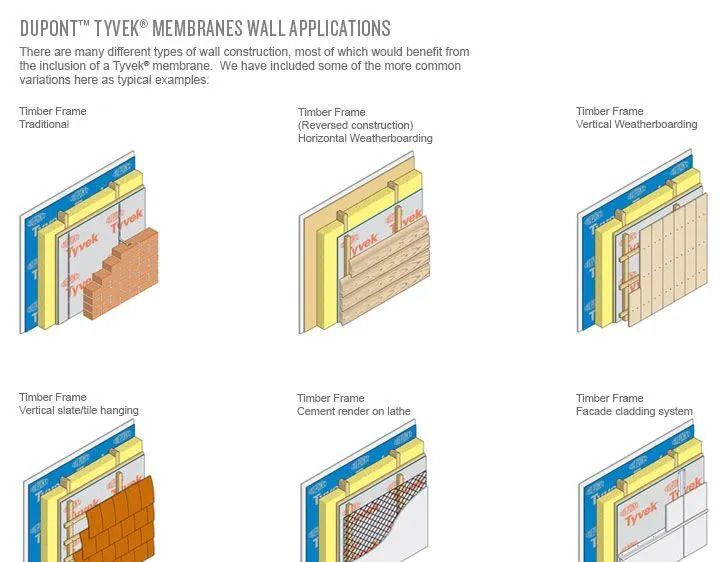
A complete, useful quote spells out the scope in enough detail that you could hand it to a different contractor and get a comparable bid. At minimum, that means: full tear-off and disposal of the existing siding, an allowance or per-unit price for sheathing and framing repair if rot is found, the specific weather barrier and whether a rainscreen gap is included, flashing details at windows, doors, and roof intersections, the exact HardiePlank, HardieShingle, or HardiePanel product and reveal being installed, the fastener schedule, trim and fascia scope, and whether the color is factory-applied ColorPlus or field-painted after installation. It should also state who's pulling the permit and under which contractor license. Alpine Exteriors quotes jobs under Washington contractor license ALPINI751OW, and any siding contractor working in this county should be able to give you their license number without hesitation.
A quote that just says "remove and replace siding" for a single lump sum isn't necessarily dishonest, but it doesn't give you enough to compare against another bid, and it doesn't tell you what happens if the crew finds rot once the walls are open. Ask how that scenario is priced before you sign anything.
The fastest way to compare two siding bids is to line up the product first. A quote for HardiePlank lap siding at a standard reveal is not the same job as one that includes HardieShingle accents or board-and-batten trim, so make sure you're comparing the same profile and finish before you compare price. Next, check whether both bids include a rainscreen gap or just standard housewrap; given how much wind-driven rain this area sees, that's not a minor detail. Look at how each contractor handles unknowns, specifically what happens to the price if rotted sheathing turns up once the old siding is off, since that's common enough in this climate that it shouldn't be a surprise to anyone bidding the job. Finally, confirm licensing, bonding, and insurance for each contractor, and ask for a couple of references from jobs done in this county, ideally ones that have been through at least one full wet season.
It's also worth asking who is actually on the crew. Some companies subcontract siding work out entirely, which isn't automatically a problem, but you should know who's on your roof and walls and who's accountable if something goes wrong.
Many contractors, Alpine Exteriors included, can point homeowners toward financing options for a siding project, since paying for a full replacement out of pocket isn't realistic for everyone. Terms and eligibility vary by lender, so ask what's currently available when you get your quote rather than assuming a specific rate or term.
On the insurance side, it's worth being clear-eyed about what's typically covered and what isn't. Homeowners insurance generally responds to sudden, specific damage, like a storm event that tears siding off a wall, not to gradual deterioration from age, moss, or long-term moisture intrusion. If your existing siding has failed over years of exposure rather than in a single event, that repair or replacement is usually an out-of-pocket cost, not a claim. New siding installed to current standards, including the weather barrier and flashing details required under the Washington State Energy Code, can still be a reasonable long-term investment even without an insurance angle, since it protects the wall assembly underneath from the kind of slow damage that's expensive to fix later. If your utility offers rebates tied to building envelope upgrades, it's worth a quick call to ask, since programs and eligibility change and a contractor's quote won't include figures they don't control.
There's no single per-square-foot figure that holds up across different homes, because tear-off scope, sheathing repair, rainscreen needs, and trim work all vary. The most reliable way to get a number for your specific house is a walk-through quote that accounts for its condition, not a generic online estimate.
For homes exposed to this region's persistent rain, wind off the bay, and moss-prone shaded lots, many homeowners find the added durability and lower long-term maintenance of fiber cement worth the higher upfront cost compared with vinyl. That said, vinyl is a legitimate lower-cost option for some budgets and situations, and the right choice depends on your home, your timeline, and how long you plan to stay in it.
Tear-off and disposal of the existing siding is typically part of the base scope on a full replacement, but what's found underneath, especially rotted sheathing, is the part that can add cost. A good quote will explain how that scenario is priced before work starts, not after the walls are already open.
Timelines depend on the size and complexity of the home, weather during the project, and whether hidden repairs are needed once the old siding comes off, so a straightforward single-story home will move faster than a larger multi-story house with rot repair or extensive trim work. Your contractor should be able to give you a realistic schedule once they've seen the house.
If you're weighing James Hardie siding for a home in Barkley Village or elsewhere in Whatcom County, the most useful next step is an in-person look at your walls, not another online estimate. Alpine Exteriors serves Bellingham, Ferndale, Lynden, Blaine, Birch Bay, Sudden Valley, and the islands, and quotes are written under Washington contractor license ALPINI751OW with the scope, product, and repair terms spelled out so you know exactly what you're paying for before any siding comes off.