
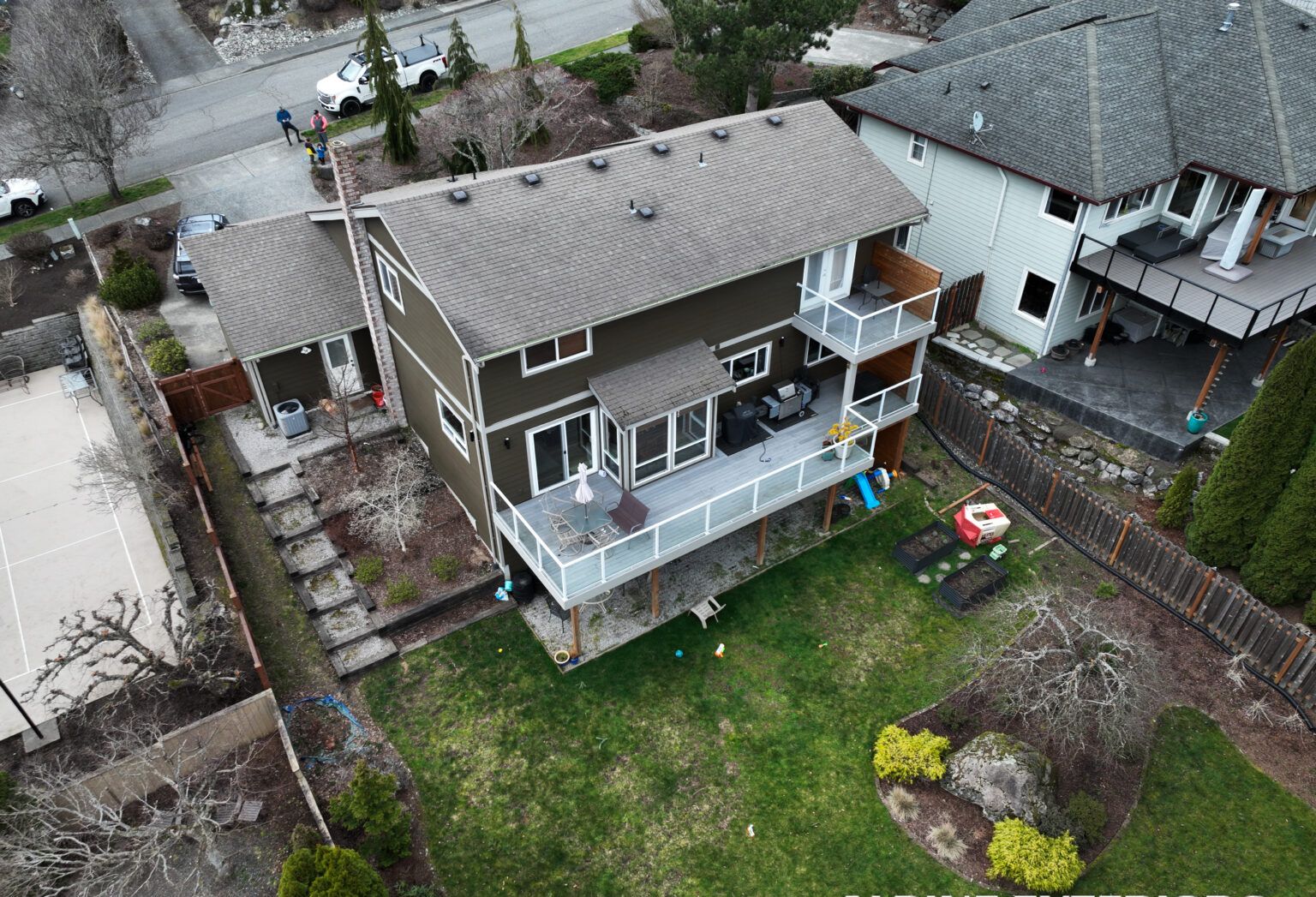
South Hill is one of Bellingham's oldest hillside neighborhoods — steep lots above downtown and Boulevard Park, a mix of early-1900s foursquares, Craftsman bungalows, and newer infill homes, most of them sitting with at least one wall facing straight into the wind and rain that come off Bellingham Bay and the Strait of Georgia. If you're pricing James Hardie fiber cement siding for a home up here, you've probably already noticed that national 'average cost per square foot' calculators don't hold up once a contractor actually walks the property. The slope of the lot, the condition of the sheathing under decades-old wood siding, and how much wall area takes direct weather all change the number. This page lays out realistic ranges for South Hill specifically and explains what moves them, so a bid makes sense instead of reading like a mystery.
There's no single number that fairly represents every South Hill home, because the neighborhood itself is a mix of small single-story bungalows on flat lots and larger two- and three-story homes stacked up the hillside with limited access. What follows is a range of typical cost drivers rather than one figure — use it to sanity-check a bid, not to predict your exact total.
| Cost Factor | What It Covers | Typical Range |
|---|---|---|
| Siding material and standard installation | HardiePlank lap siding, fasteners, and base labor for a straightforward wall | Roughly $9–$16 per square foot of wall area |
| Tear-off and disposal of existing siding | Stripping old wood, aluminum, or vinyl siding and hauling it off site | Roughly $1–$4 per square foot, more for lead-paint-era homes needing careful handling |
| Rot and sheathing repair | Replacing water-damaged sheathing, framing, or window trim found once old siding comes off | Highly variable — a few hundred dollars for spot repairs to several thousand on a wall with long-term hidden rot |
| Trim, corners, and accessories | HardieTrim boards, corner posts, frieze boards, soffit and fascia work | Roughly 10–20% added to the base material and labor line |
| Finish: ColorPlus factory finish vs. field paint | Factory baked-on color versus on-site prime and paint | ColorPlus often runs a modest premium over material cost but can reduce long-term repaint labor |
| Access and site complexity | Hillside lots, multi-story walls, tight side yards, scaffolding or lift rental | Can add a noticeable percentage to labor on steep South Hill lots versus a flat-lot job |
| Permits and code-driven upgrades | City of Bellingham permit fees plus any wall assembly changes needed to meet current energy code | Permit fees are modest; energy-code upgrades vary by how far the existing wall is from current requirements |
Stacked together, a full re-side of a mid-size South Hill home — tear-off, sheathing repair allowance, HardiePlank with trim, and a factory or field finish — commonly lands somewhere in the low five figures to the low-to-mid thirty-thousands, with larger, multi-story, or heavily weathered homes running higher. Homes with extensive rot, elaborate trim detail, or difficult hillside access can exceed that range. Treat any of these numbers as a starting frame, not a quote — the only way to get an accurate number is to have someone look at the actual walls.
A handful of things consistently separate a low bid from a high one on South Hill jobs specifically:
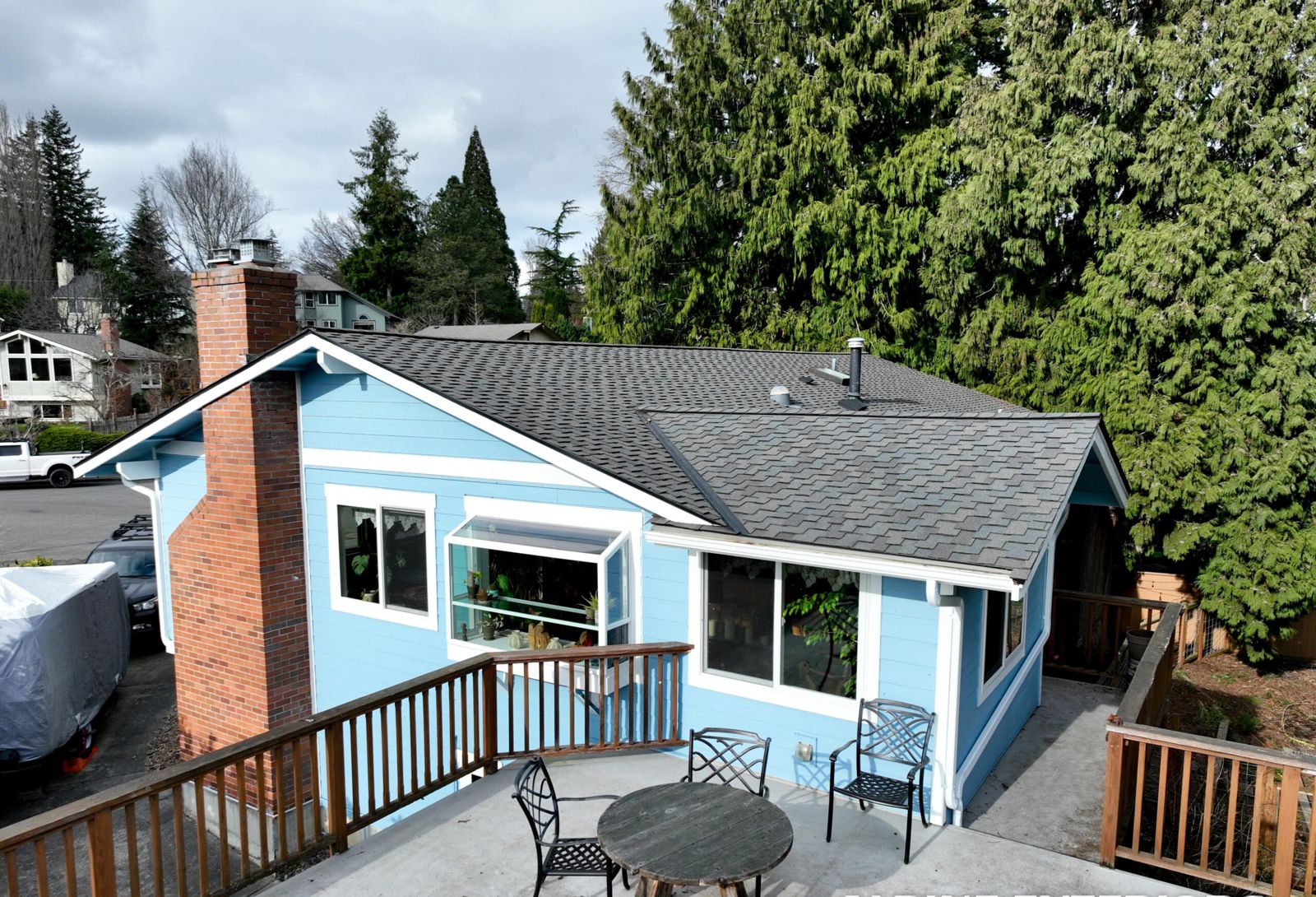
A serious bid for a South Hill siding job should spell out, in writing, more than just a total price. Look for these line items before comparing numbers:
Alpine Exteriors builds proposals around this level of detail specifically because South Hill homes so often have hidden rot or access challenges — a bid that doesn't address those up front usually means a change order later.
The biggest mistake homeowners make when comparing siding bids is assuming a lower number and a higher number cover the same work. Before comparing totals, check that each bid uses:
It's worth getting more than one bid, and it's worth asking each contractor to walk the exterior with you and point out anything they expect to find once the old siding is off. A contractor who won't commit to a written rot-repair rate, or whose bid is dramatically lower than others with no clear reason, is worth a second look before signing.
Most homeowners pay for a siding project out of savings, a home equity line, or contractor-arranged financing, and it's worth comparing terms across a couple of options rather than accepting the first financing offer presented. Some regional and utility-backed energy-efficiency loan programs may apply if the project includes added wall insulation that improves performance under the Washington State Energy Code — worth asking about if that's part of your scope.
On the insurance side, homeowners policies generally treat routine siding replacement as a maintenance expense, not a covered loss — rot from long-term moisture intrusion is typically excluded the same way. Sudden storm or wind damage to siding is more likely to be covered, but that depends entirely on your specific policy language, so it's worth a call to your agent before assuming either way. Because ordinary wear isn't covered, addressing rot and moisture issues while the walls are already open tends to be more cost-effective than waiting for a covered event that may never come.
For a wet, wind-exposed area like South Hill, fiber cement's resistance to moisture absorption, its stability against warping, and its ability to hold paint or a factory finish through repeated wet-dry cycles are real advantages over vinyl, which can also become brittle and crack in freeze-thaw conditions during colder snaps around the foothills. It costs more up front than vinyl, and whether that premium is worth it depends on how long you plan to own the home and how much you value lower long-term maintenance.
Timelines depend heavily on home size, access, and how much rot repair turns up once the old siding is removed — a straightforward single-story job can move faster than a multi-story hillside home with extensive trim. Weather is also a real factor here; Whatcom County's wetter months can slow or pause exterior work, so a contractor's timeline should build in some flexibility rather than promising a fixed date regardless of conditions.
In most cases a straightforward re-side requires a City of Bellingham permit, and depending on the scope of work, it can also trigger a review under the Washington State Energy Code if the project involves opening up the wall assembly. Whether code upgrades are required or simply worth considering as a matter of long-term performance is something your contractor should flag during the bid process, not after the permit is pulled.
It's sometimes possible on a home in good condition, and it can lower costs by skipping tear-off, but it also means any hidden rot or moisture damage underneath goes unaddressed and unseen. On older South Hill homes where hidden rot is common, most reputable contractors will recommend removing the old siding so the sheathing can actually be inspected, rather than covering up a problem that will keep getting worse behind the new wall.
Ranges are useful for planning, but the only way to know what your specific home will cost is an on-site look at the walls, the trim, and the access. Alpine Exteriors serves South Hill and the rest of Whatcom County — Bellingham, Ferndale, Lynden, Blaine, Birch Bay, Sudden Valley, and the islands — and can walk your property, point out what's likely hiding under the old siding, and put together a written scope you can actually compare against other bids. Reach out to schedule a walkthrough and get a number that reflects your home, not a national average.