
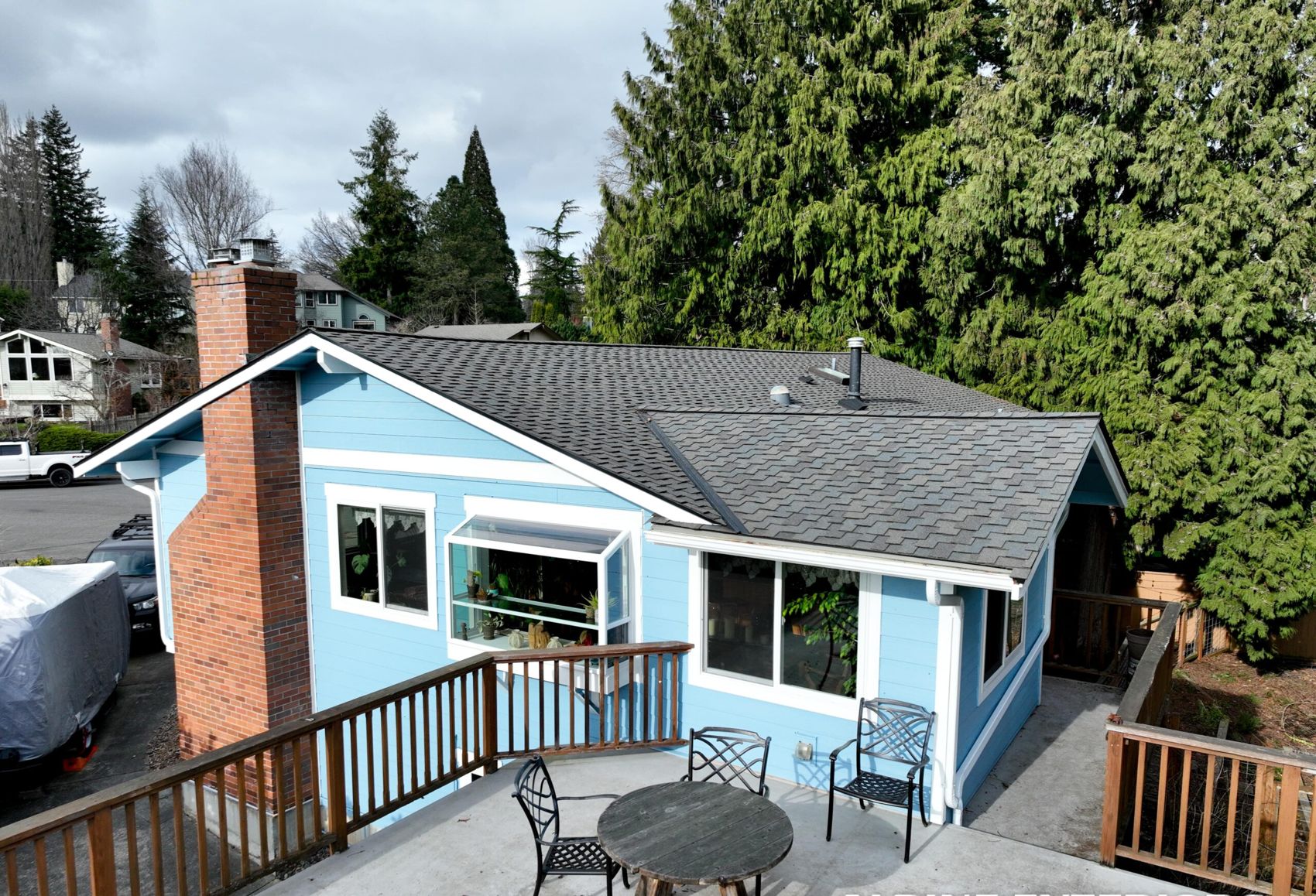
Sunnyland sits close enough to Bellingham Bay that its homes take the same weathering as the rest of the city's older neighborhoods: steady rain most months, a green haze of moss and algae on north-facing walls, and siding that quietly rots behind the paint long before anyone notices a problem from the sidewalk. If you're pricing out a siding replacement for a Sunnyland home, or anywhere else in Whatcom County — Ferndale, Lynden, Blaine, Birch Bay, Sudden Valley, or the islands — the honest answer is that the number depends on more variables than any single quote can capture in one line. This page walks through the real ranges, what pushes a project toward the low end or the high end, and how to read a quote so you're comparing contractors fairly instead of just comparing bottom-line totals.
Most full siding replacement projects in this part of Whatcom County land somewhere between a modest per-square-foot figure for straightforward vinyl re-siding and a considerably higher figure for fiber cement or cedar work on a home with hidden rot, multiple stories, or complicated rooflines. There is no single tidy number that means anything without knowing the material, the condition of the wall sheathing underneath the old siding, and how much of the house is trim, dormers, and bump-outs versus flat wall. A one-story rambler with simple massing and sound sheathing will price well below a two-story Craftsman with deep eaves, board-and-batten accents, and decades of moisture damage around the window sills.
The table below breaks the project into its major cost components. Treat these as planning ranges, not quotes — actual numbers depend on your home's size, access, and condition, and any contractor who gives you a firm number before inspecting the walls is guessing.
| Cost Factor | Typical Low | Typical High |
|---|---|---|
| Siding material (vinyl, engineered wood, fiber cement, or cedar) | Budget-tier vinyl | Premium fiber cement or clear cedar |
| Tear-off and disposal of old siding | Single layer, easy access | Multiple layers, steep or tight lots |
| Sheathing and rot repair | Minor spot repairs | Extensive rot at corners, sills, and penetrations |
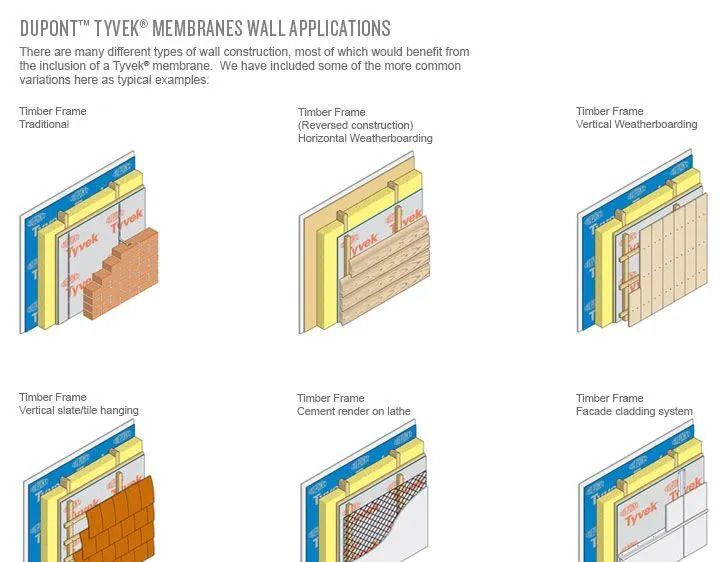
| Weather-resistive barrier and flashing detail | Standard housewrap system | Rain-screen assembly with enhanced flashing |
| Trim, fascia, and accessory work | Minimal trim, simple roofline | Extensive trim, dormers, multiple gables |
| Home size and story count | Single-story, simple footprint | Two-plus stories, complex massing |
| Permit and code-required upgrades | Straightforward re-side | Insulation or barrier upgrades to meet current energy code |
Beyond material choice, a handful of conditions specific to this climate and this neighborhood tend to swing a Sunnyland quote more than homeowners expect.
A quote that's just a single total and a material name isn't enough to compare against anything. A complete, useful quote for this region should spell out:
Alpine Exteriors writes quotes this way on purpose — as a line-item breakdown rather than a single number — because Whatcom County homes so often have some degree of hidden rot, and a homeowner deserves to know upfront how repair work would be priced if it's discovered, not find out mid-project.
Once you have two or three quotes in hand, resist the urge to just rank them by total price. A few checks make the comparison meaningful:
It's also fair to be skeptical of a quote that comes in dramatically below the others with no explanation — in this market, an unusually low bid usually means thinner material, no rain-screen gap, or an unstated assumption that no rot repair will be needed.
Many contractors, including Alpine Exteriors, can point homeowners toward third-party financing options that break a siding project into monthly payments; terms and approval depend on the lender, not the contractor, so ask for specifics rather than assuming a promotional rate applies to your situation. On the insurance side, homeowners policies typically do not cover siding replacement for ordinary wear, moss growth, or gradual moisture damage — that's considered maintenance, not a covered loss. Where insurance sometimes does apply is sudden, identifiable storm damage, such as siding torn loose or punctured by wind-driven debris during a significant windstorm off the bay or the Strait. If you suspect storm damage rather than gradual deterioration, document it with photos and check with your insurer before assuming the full cost falls on you. Separately, if your project involves upgrading insulation or air sealing as part of the re-side to meet current Washington State Energy Code requirements, ask whether any regional utility rebate programs apply — availability and amounts change, so verify current offers directly rather than relying on what a past homeowner mentioned.
The most common reason is scope, not markup — one contractor may be pricing a straightforward re-side over sound sheathing while another has budgeted for likely rot repair, a rain-screen gap, and full trim replacement based on what they saw during the walkthrough. Material grade, warranty terms, and whether disposal and permits are included also account for a lot of the spread. Reading each quote's line items side by side usually explains most of the gap.
Soft spots when you press on the wall, paint that bubbles or peels repeatedly in the same spots, visible gaps at seams and corners, and persistent moss or dark staining that comes back soon after cleaning are all signs the underlying material or barrier system has failed rather than just the surface finish. A contractor can probe a few discreet spots to check sheathing condition before you commit to a full-replacement budget.
Yes — fiber cement and properly installed engineered wood tend to hold up well against sustained moisture and moss growth with routine cleaning, while lower-grade vinyl can become brittle over time and cedar requires more consistent maintenance to resist rot in a wet climate. The right choice depends on your budget, maintenance preference, and how exposed your walls are to wind-driven rain, not on which material is cheapest per square foot.
A straightforward single-story project with sound sheathing can often be completed in a shorter window, while a larger or more complex home — especially one where crews uncover rot that needs repair before new siding goes up — takes longer. Weather is also a real factor here; a wet stretch during Whatcom County's rainy months can push a schedule back, and a contractor who plans for that honestly is more trustworthy than one who promises a fixed date regardless of forecast.
If you're weighing siding replacement for a home in Sunnyland or elsewhere in Whatcom County, the most useful next step is an in-person inspection rather than a phone estimate — the condition of the sheathing underneath your current siding matters more to the final number than almost anything else. Alpine Exteriors, WA contractor license ALPINI751OW, provides written, line-item quotes for homes throughout Bellingham, Ferndale, Lynden, Blaine, Birch Bay, Sudden Valley, and the islands, with the rot-repair and moisture-barrier detail spelled out upfront so there are no surprises once the old siding comes off.