
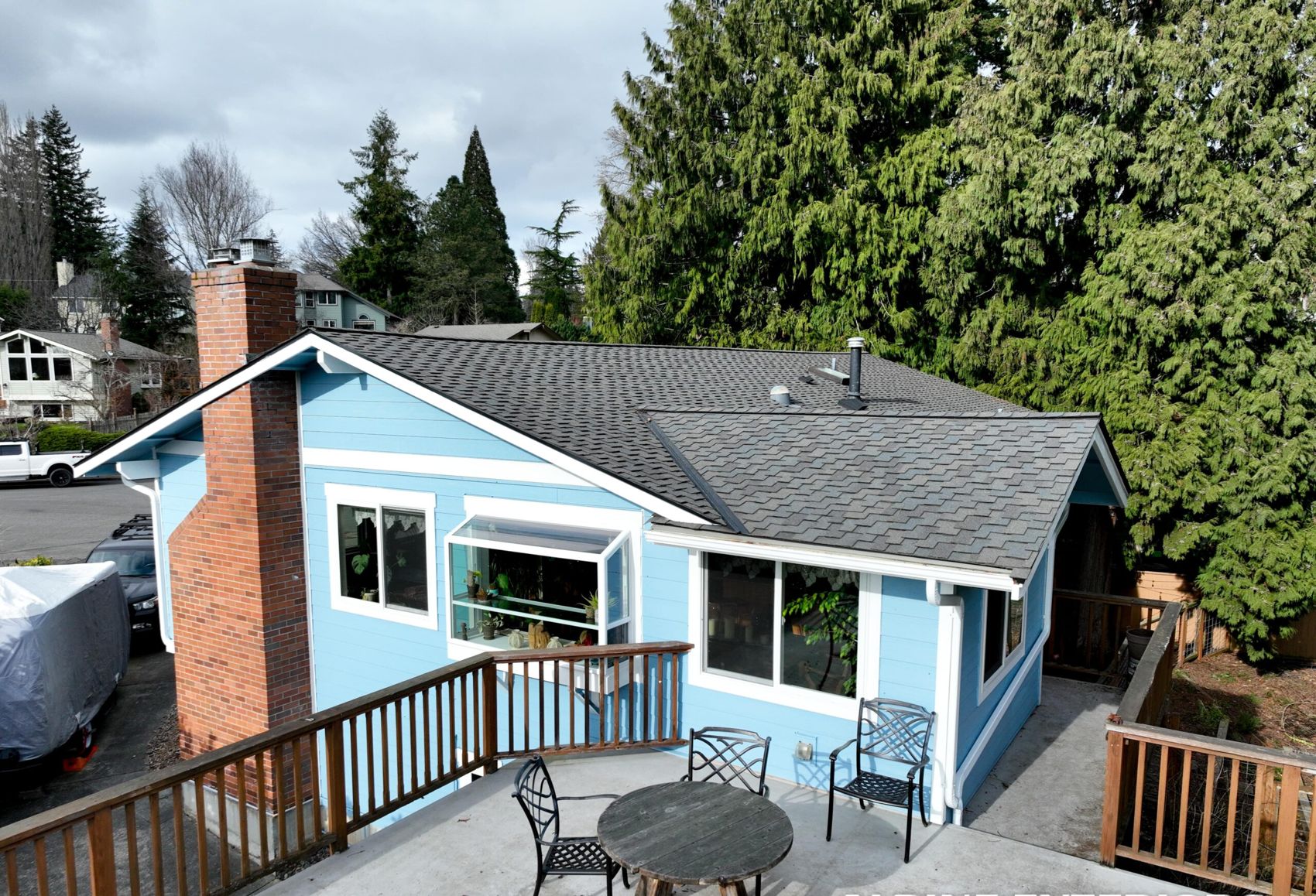
If you've collected two or three siding bids in Bellingham, Ferndale, Lynden, Blaine, Birch Bay, Sudden Valley, or out on the islands and they don't look anything alike, that's normal. Siding pricing in this corner of Washington swings on a handful of specific, checkable factors: how much of the wall sheathing underneath is actually sound, what material you choose, how the house is shaped, and how much of the job is spent solving water and moisture problems rather than just hanging new panels. This guide walks through what drives the number up or down so you can read a quote instead of just reacting to the total at the bottom.
For a typical single-family home in Whatcom County, full siding replacement generally lands somewhere between the low end of a modest fiber-cement or vinyl re-side and the high end of a full tear-off with hidden rot repair, upgraded house wrap, and higher-end materials like cedar or engineered wood panels. Homes closer to Bellingham Bay, Blaine, or Birch Bay that take direct wind-driven rain off the water tend to sit toward the higher end of any range because more of the existing wall assembly needs attention. Homes further inland around Lynden or the foothills near Sudden Valley can sometimes come in lower if the sheathing has stayed dry, though freeze-thaw cycling in those areas brings its own wear pattern to older siding and trim.
Below is a general breakdown of the line items that make up most quotes. These are ranges, not quotes — every one of them depends on the condition of your specific walls.
| Cost Factor | Typical Low | Typical High |
|---|---|---|
| Material only (vinyl, per sq ft installed) | Lower-cost end of the market | Mid-range, depending on profile and thickness |
| Material only (fiber-cement, per sq ft installed) | Mid-range | Upper-mid, depending on plank size and finish |
| Material only (cedar or engineered wood, per sq ft installed) | Upper-mid | Highest tier in the region |
| Rotten sheathing/framing repair | Minor spot repair | Extensive, if rot has spread behind multiple walls |
| House wrap / weather-resistive barrier upgrade | Standard wrap | Rain-screen or drainage-plane system |
| Trim, flashing, and window/door detailing | Basic trim replacement | Full custom trim package |
| Tear-off and disposal of existing siding | Single layer, easy access | Multiple layers, steep or tight lot |
A handful of conditions specific to this region come up on almost every job we look at, and each one can shift a quote meaningfully:
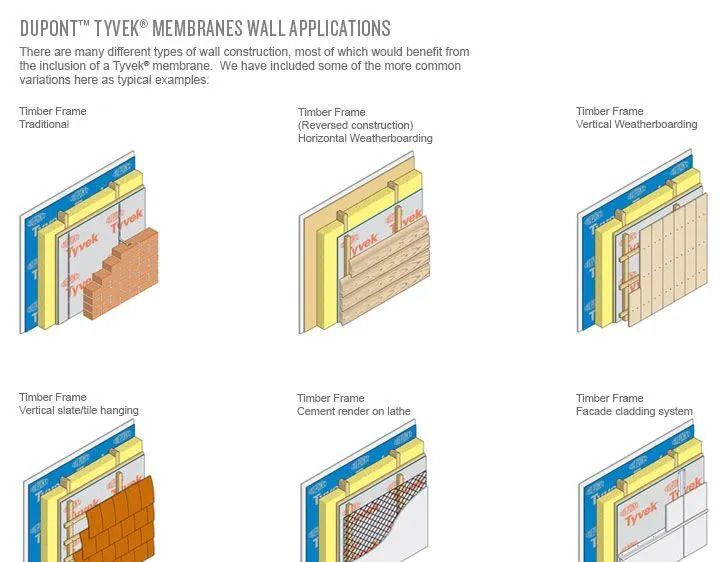
A complete, comparable quote should spell out more than a single lump-sum number. Look for a written scope that covers: the specific material, brand, and profile being installed; whether the crew is doing a full tear-off to bare sheathing or installing over the existing surface; what happens to any sheathing or framing found to be rotten, including a per-unit rate for that repair if it's not a fixed allowance; the type of house wrap or weather barrier being used; flashing details around windows, doors, and any roof-to-wall intersections; trim scope; disposal and site cleanup; and a payment schedule tied to project milestones rather than large deposits up front. If a quote is a single line with a total and nothing else, that's a sign to ask more questions before signing anything.
Alpine Exteriors writes quotes this way on purpose — the goal is that you know what you're paying for before work starts, not after the invoice arrives.
The cheapest bid and the most expensive bid on the same house are often not describing the same project. Before comparing totals, check that each bidder is quoting the same tear-off approach, the same or comparable material tier, and the same treatment of rot repair — some contractors build a modest repair allowance into the base price, others quote repairs separately as they're found, and either approach is fine as long as it's disclosed. Ask each contractor how they handle wall orientations facing open water or prevailing wind, since a bid that skips extra flashing detail on an exposed wall will look cheaper on paper and cost more in leaks later. Confirm licensing and insurance directly rather than taking a business card's word for it — Alpine Exteriors holds Washington contractor license ALPINI751OW, and that license number can be verified with the state. Finally, ask what warranty applies to labor versus what the manufacturer covers on materials, since those are two separate things that get blurred together in a lot of sales pitches.
Many siding contractors, including Alpine Exteriors, can connect homeowners with third-party financing options for larger projects, which can make it easier to address a full re-side rather than deferring it. Financing terms, rates, and approval depend on the lender, not the contractor, so read the terms carefully before committing. On the insurance side, siding damage from a sudden event like a storm-snapped tree limb or wind-torn panels is sometimes covered under a homeowner's policy, but gradual damage from long-term moisture intrusion, rot, or moss growth generally is not, since insurers treat that as a maintenance issue rather than a covered loss. If you suspect storm damage, document it with photos and contact your insurer before starting repair work, and keep in mind that an inspection report from a licensed contractor can help support a claim either way.
This almost always comes down to hidden rot or water damage that wasn't visible until the old siding was removed. Persistent regional rainfall means moisture can work behind siding for years without showing obvious exterior signs, so a scope change once sheathing is exposed is common rather than unusual — the key is whether your contractor quoted a repair rate up front so the increase isn't a surprise.
Both hold up here when installed correctly, but they respond differently to the persistent damp and moss-prone conditions common in Whatcom County. Vinyl is generally lower cost and low-maintenance but can look worn faster in heavily shaded, moss-prone spots. Fiber-cement resists moisture and moss better and holds paint longer, but costs more up front and needs periodic repainting. The right choice usually depends on your budget, the home's exposure, and how much upkeep you want to do.
It depends on the scope of the project and how much of the wall assembly is being opened up. On many full re-side jobs, code requirements for wall insulation and air sealing come into play, which can add continuous insulation to the job that wasn't in your original mental budget. A contractor familiar with local permitting should flag this during the estimate rather than after permits are pulled.
Timelines vary with house size, complexity, and how much repair work turns up once the old siding is off, and they can stretch further during the wetter months when crews have to work around rain days. A straightforward re-side on a simple house is faster than one with a lot of rot repair, complex rooflines, or custom trim work, so ask for a realistic timeline range rather than a single date when you're comparing bids.
If you're weighing siding options anywhere from Bellingham to Ferndale, Lynden, Blaine, Birch Bay, Sudden Valley, or the islands, the most useful next step is a written, itemized quote based on an actual look at your walls rather than a phone estimate. Alpine Exteriors (WA contractor license ALPINI751OW) can walk your property, check for the moisture and rot issues common in this climate, and put together a scope that spells out material, repair allowances, and code-related work before anything is signed.