
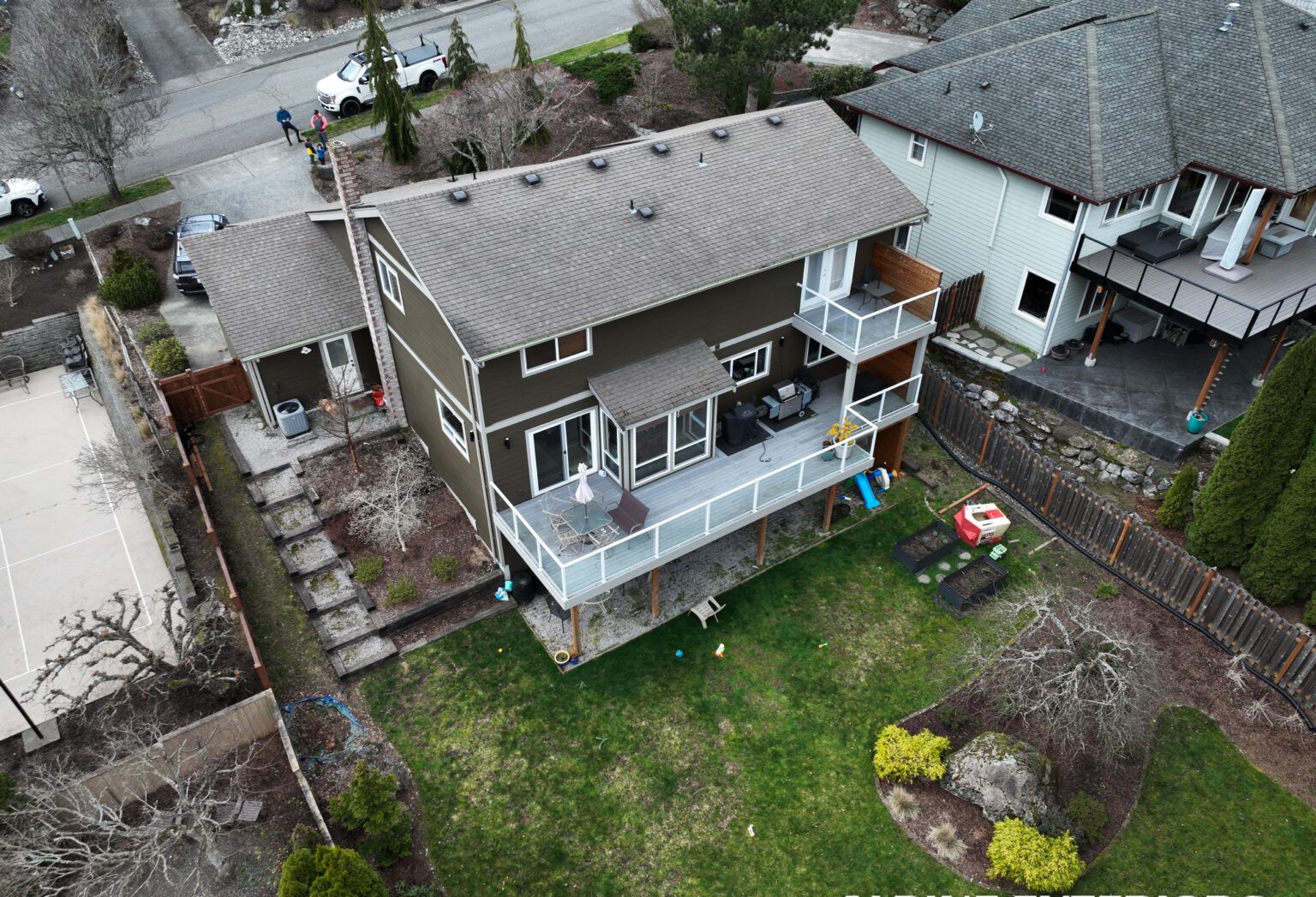
Alabama Hill sits inside Bellingham's city limits, so siding permits there go through the City of Bellingham Permit Center, not Whatcom County. Most full or partial re-sides trigger a permit, and once one is pulled, at least one inspection — usually of the sheathing and weather-resistive barrier before it's covered — is required before the job can close out.
That distinction matters more than it sounds like it should. Whatcom County is a patchwork of city jurisdictions and unincorporated pockets, and the rules, fee schedules, and review timelines aren't identical between them. A homeowner a mile away in Sudden Valley or another unincorporated stretch near Lake Whatcom is dealing with Whatcom County Planning & Development Services instead of the city, with a different intake process and different staff to call. Getting this wrong at the start — assuming your address falls under the county when it's actually annexed into Bellingham, or vice versa — is one of the more common ways homeowners waste a week before a project even begins.
Not every siding job needs a permit, and not every permit is treated the same way. The general pattern, consistent with how building departments across Washington apply the state building code, is this: cosmetic, like-for-like repairs on a small section of wall — patching a few damaged boards of the same material, in the same location, with no change to the sheathing or the weather barrier underneath — often fall under routine maintenance and don't require a permit. Once the scope grows to cover a full elevation, multiple elevations, or the whole house, or once the work exposes and replaces sheathing, house wrap, or flashing, it crosses into building permit territory.
A few specific triggers to know about:
Inspections generally happen at two points: once after the sheathing and weather barrier are exposed but before the new siding covers them, and again at final, once the job is complete. Skipping the first inspection because the crew is ready to move fast is the single most common way a job ends up with a stop-work order or a costly tear-off to expose work that was never signed off.
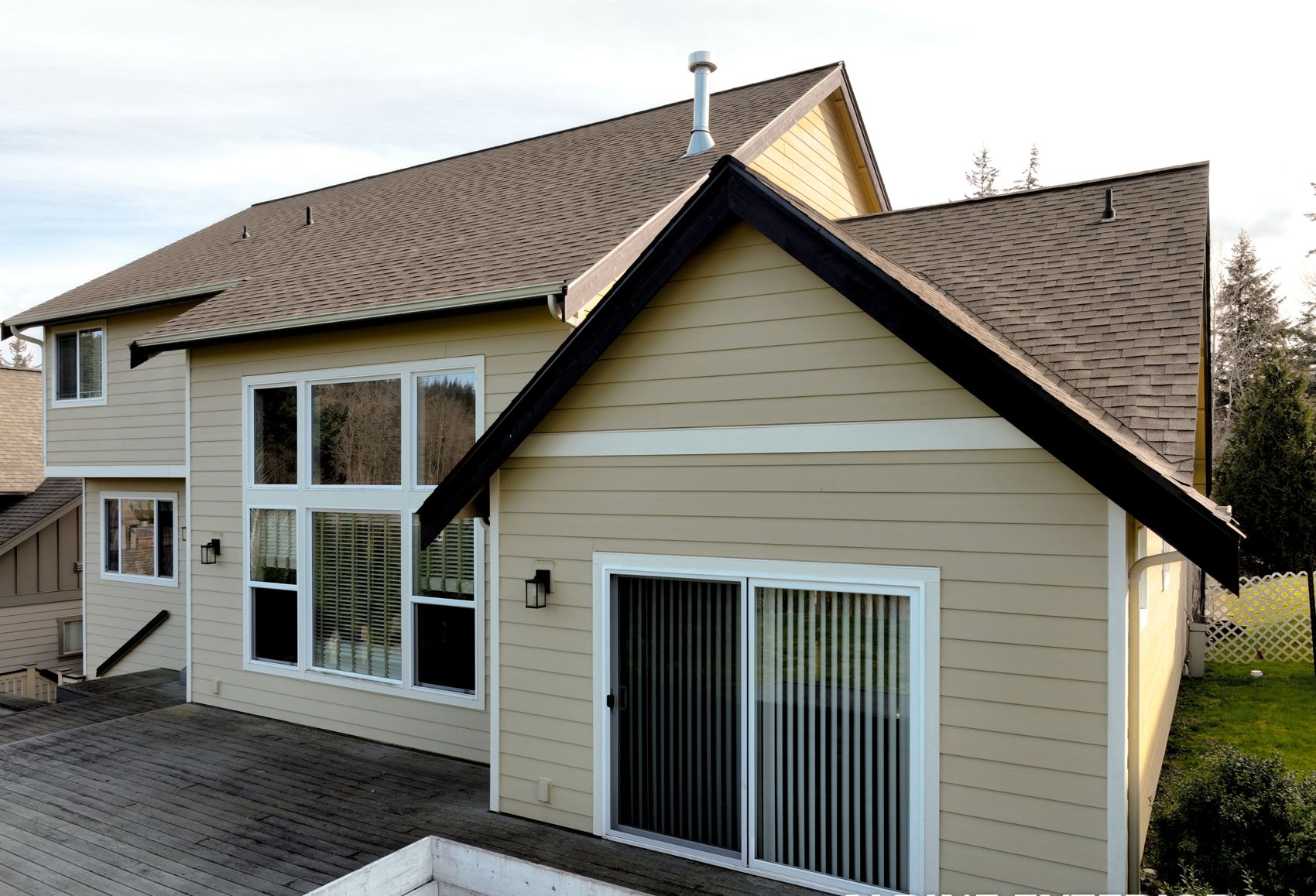
Alabama Hill sits at a noticeably higher elevation than downtown Bellingham or the waterfront, on the shoulder of terrain that climbs toward the Lake Whatcom foothills. That elevation gain means the neighborhood sees more freeze-thaw cycling through the winter than homes closer to sea level — moisture gets into small gaps in siding, joints, and fastener holes, freezes, expands, and slowly works the material apart over several seasons. It's a slower failure mode than storm damage, and it's exactly the kind of thing an inspector is checking for when they look at flashing details and caulk lines during a sheathing inspection.
Wind-driven rain off Bellingham Bay and the Strait of Georgia is the other factor that shapes how siding performs here, and it's a big part of why sheathing and weather-barrier inspections aren't a formality. Rain in this region doesn't just fall straight down — sustained westerly and southwesterly wind pushes it sideways into wall assemblies, especially on exposed hillside lots. If the weather-resistive barrier isn't lapped correctly, or flashing at windows and trim isn't detailed to shed water outward, moisture gets behind the siding and stays there through our long wet season instead of drying out between storms. That's the mechanism behind most of the wood rot Alpine Exteriors finds when pulling old siding off homes in this area — not one dramatic storm, but years of trapped moisture behind a barrier that failed quietly.
Persistent dampness also means moss and algae growth on north- and west-facing walls, particularly under mature tree cover, which is common on Alabama Hill's more wooded lots. Moss itself isn't a permit issue, but it's often the visible symptom that leads a homeowner to call for a re-side in the first place, and by the time it's noticeable on the surface, it's worth having a contractor check what's happening underneath before assuming it's cosmetic.
None of this involves hurricane-rated products, wind-uplift testing, or impact glazing — those requirements belong to Gulf and Atlantic coast building codes and don't apply in Whatcom County. What does apply here is the Washington State Energy Code's building envelope requirements and the practical reality of a wet marine climate that punishes any gap in the water-management details of a wall.
Start by confirming your parcel's jurisdiction before you assume anything. Bellingham's Permit Center can tell you in a short phone call whether your Alabama Hill address falls under city or county review — don't rely on your mailing address or a neighbor's experience, since annexation lines in this area don't always match intuition.
Once you know who to file with, have your contractor pull the permit before tear-off begins, not after. A contractor who's willing to start removing siding without a permit in hand, on a job that clearly needs one, is a red flag — it usually means they're either unfamiliar with when permits are required or hoping to avoid the inspection step altogether. Alpine Exteriors pulls permits as a standard part of any re-side that meets the threshold, under WA contractor license ALPINI751OW, and builds the sheathing inspection into the project schedule rather than treating it as an obstacle.
Ask specifically what will happen if rot is found once the old siding comes off. This is common enough in older Whatcom County homes that it shouldn't derail the project, but it does mean the scope — and sometimes the permit — may need to be adjusted mid-job. A contractor who's upfront that this is a real possibility, rather than promising a clean tear-off in advance, is being honest with you.
Finally, build the inspection into your timeline expectations. Depending on the season and how busy the Permit Center is, scheduling a sheathing inspection can add several days to a project, and coordinating that window around Whatcom County's wet fall and winter months takes some planning. It's a real drawback of doing the work correctly — but the alternative, an uninspected wall assembly behind new siding, is the kind of thing that surfaces as a expensive surprise at resale or, worse, as rot you can't see until it's spread.
It depends on what the work involves. A small cosmetic patch with matching material and no sheathing or weather-barrier work may not need one, but replacing an entire wall's siding — especially if sheathing or house wrap is exposed — typically does. The safest approach is to ask the Bellingham Permit Center directly with your specific scope of work rather than assume based on square footage alone.
Timelines vary with how busy the Permit Center is and how straightforward the scope is, and can range from about a week for simple like-for-like re-sides to considerably longer for projects that also touch structural sheathing or energy code compliance. It's worth asking your contractor to build permit lead time into the project schedule rather than assuming work can start immediately.
This is common enough in Whatcom County's wet climate that most experienced contractors expect to find some, particularly around windows, trim, and areas where flashing has failed over the years. If rot is found, the sheathing or framing underneath typically needs to be repaired and inspected before new siding goes on, which can add time and cost to the original scope — a reputable contractor will walk you through the options rather than covering it up.
If a large enough portion of your wall assembly is opened up during the re-side, the Washington State Energy Code may require the new wall assembly to meet current prescriptive insulation standards, which can mean adding continuous insulation behind the new siding. Whether this applies to your project depends on the extent of the work, so it's worth confirming with your contractor and the Permit Center before finalizing your siding choice.
Permit questions are easier to sort out before a crew shows up than after. Alpine Exteriors works throughout Whatcom County — Bellingham neighborhoods like Alabama Hill, plus Ferndale, Lynden, Blaine, Birch Bay, Sudden Valley, and the islands — and can walk your property, tell you honestly whether your project will need a permit, and handle the filing and inspection scheduling as part of the job. Reach out for a straightforward assessment of what your home actually needs.