
Acme sits up in the Whatcom County foothills along the South Fork Nooksack, tucked under a heavier tree canopy than Bellingham or Ferndale get, with colder overnight temperatures and more days where the mercury dips below freezing and climbs back above it by afternoon. That combination — persistent rain, shade-driven moss and algae growth, and real freeze-thaw cycling — asks more of a home's siding than the milder lowlands closer to the water. We get calls every year from homeowners in Acme, Van Zandt, and up toward the Mt. Baker corridor whose siding is failing years before it should, usually because it was a product picked for a different climate. This guide walks through what actually holds up out here, what doesn't, and why, based on what we see on siding tear-offs across Whatcom County.
For most Acme homes, fiber cement siding is the strongest all-around choice. It doesn't rot, it shrugs off the freeze-thaw swings common at this elevation, and it holds paint well enough to keep up with the moss and algae staining that shaded, damp lots practically guarantee. A close second is a well-detailed engineered wood siding system, which costs less up front and looks warmer against the tree line, but only if it's installed with obsessive attention to flashing and caulking — sloppy installation is where these products fail fastest in wet climates. Vinyl siding remains a reasonable budget option for rental properties or secondary structures, though its cold-weather brittleness and tendency to hide moisture problems behind it make it a weaker fit for a primary residence tucked into the woods. Traditional cedar siding still has a place for homeowners who want the authentic Pacific Northwest look and are willing to keep up with maintenance, but it demands more upkeep than almost anything else on this list. Metal siding, particularly steel, is worth a serious look for anyone building new or doing a full re-side, since it handles the wet-dry cycling and moss issue better than most people expect.
We didn't rank these products on national averages or manufacturer marketing. We judged them against what Acme's climate and housing stock actually throw at a wall assembly:
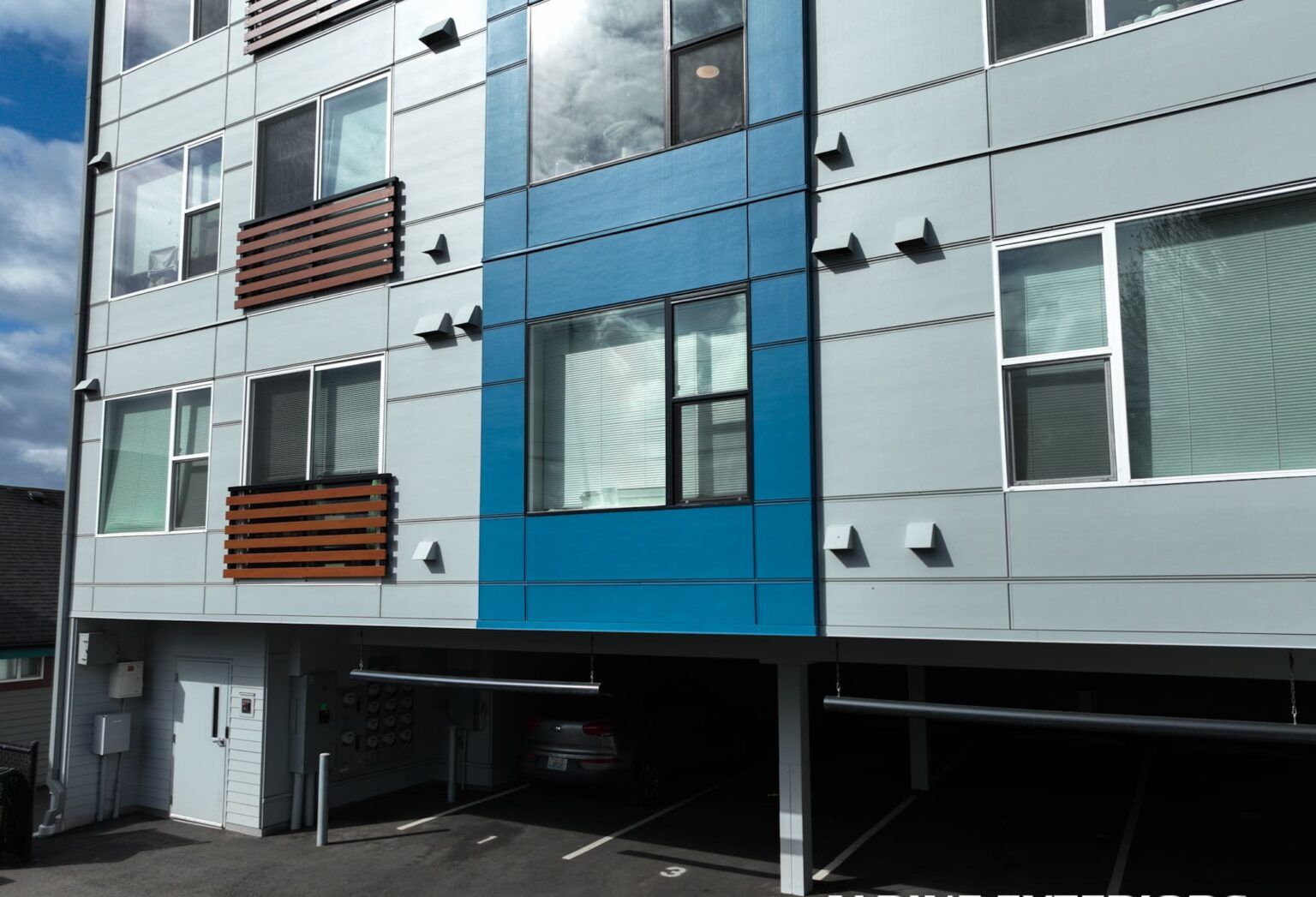
Fiber cement is a blend of cement, sand, and cellulose fiber, and it's become the default recommendation we give Acme homeowners who want to stop thinking about their siding for a couple of decades. It doesn't absorb water the way wood does, so freeze-thaw cycling doesn't crack it the way it can crack poorly sealed wood joints. It also takes factory-applied or field-applied paint well, which matters here because moss and algae staining is nearly universal on shaded exteriors and you'll want a surface that can be pressure-washed and repainted without swelling or peeling.
Pros: excellent rot resistance, holds paint for many years, non-combustible, handles wind-driven rain well when lap siding is installed with proper overlap and flashing, compatible with the continuous insulation strategies common under the Washington State Energy Code.
Cons: heavier and harder to install than vinyl or wood, meaning labor cost runs higher; it must be field-painted or repainted eventually, which is an added maintenance line; and it's less forgiving of a rushed installation — caulking and flashing details still have to be right, or moisture will find the seams over time. Material and installation costs typically land in the mid-to-upper range compared to other siding types.
Engineered wood siding — wood strand product bonded with resin and finished with a factory coating — has improved a lot over the last couple of decades and is a common sight on newer builds around Whatcom County. It gives a traditional lap or panel look at a lower material cost than fiber cement.
Pros: lighter and faster to install than fiber cement, often less expensive per square foot, comes pre-primed or pre-finished from the factory, and modern formulations resist moisture better than the older engineered wood products that gave the category a bad reputation in the 1990s.
Cons: it is still a wood-based product, so it's only as good as its installation. Any gap in the factory coating, unsealed cut end, or missed flashing detail becomes an entry point for moisture, and once water gets behind an engineered wood panel in a shaded, damp Acme yard, swelling and rot can move faster than it would on solid cedar. We'd only recommend it with an installer who treats every cut edge and seam as a moisture risk, not an afterthought.
Vinyl is still the most affordable option on this list, and it has a legitimate place on rental units, outbuildings, or budget-driven projects. It won't rot, and it sheds water reasonably well when installed correctly.
Pros: lowest material cost, no repainting required, decent moisture shedding, quick installation.
Cons: vinyl gets brittle in cold weather, and Acme's colder foothill nights mean more risk of cracking during a hard freeze than you'd see closer to the bay. It also doesn't hold up well to the general wear of a heavily treed lot — falling branches and debris crack panels more easily than fiber cement or wood. Moss and algae growth on vinyl can look worse over time because the surface doesn't take a fresh coat of paint to reset its appearance; once it's stained, pressure washing is about the only remedy, and aggressive washing can drive water behind panels rather than off them. For a full-time residence in a shaded, wet part of the county, we consider it a compromise choice rather than a first pick.
Western red cedar grown in this region has real appeal for homeowners who want their house to look like it belongs among the trees around Acme, and there's nothing wrong with that instinct — it's a legitimate, time-tested material when it's maintained.
Pros: natural insulating value, classic regional look, repairable board by board rather than requiring full panel replacement, and cedar's natural oils give it some inherent rot resistance compared to other wood species.
Cons: this is the highest-maintenance option here. Shaded, damp lots accelerate moss and algae growth on wood siding faster than on almost anything else, and that growth holds moisture against the wood, which is exactly the condition that leads to rot. Staining or painting needs to be redone on a regular cycle, and any owner who skips a maintenance cycle or two is likely to be dealing with soft boards and localized rot repair sooner than they'd like. We still install cedar for owners who understand and accept that maintenance commitment, but we don't recommend it as a low-effort choice for a busy household.
Steel and aluminum siding don't come up as often in conversation, but they deserve more consideration in a climate like Acme's than they typically get. Metal doesn't rot, doesn't feed moss and algae growth the way organic materials do, and holds up well through repeated freeze-thaw cycles since it isn't absorbing water into its structure the way wood-based products can.
Pros: excellent moisture and rot resistance, strong performance against moss and algae staining, long service life, non-combustible.
Cons: higher material cost than vinyl or engineered wood, a look that reads more modern or agricultural than the traditional lap-siding aesthetic many Whatcom County buyers expect, and it can dent from falling branches or ladder contact, which is a real consideration on a heavily wooded lot. Panel replacement after a dent also isn't always a perfect color match years down the road.
A few choices we'd steer Acme homeowners away from, based on what we see fail locally: any wood or engineered wood siding installed without a rainscreen gap or proper cut-end sealing, since shaded, damp lots don't forgive shortcuts the way a sunnier lowland lot might. We'd also caution against choosing a siding purely for lowest upfront cost on a full-time residence in the deeper woods around Acme — the labor cost of a re-side is often close between materials, so saving on the material itself while accepting a shorter service life rarely pencils out over 15 to 20 years. Finally, be wary of any insulated siding or continuous foam detail that isn't coordinated with a Washington State Energy Code-compliant wall assembly; siding and insulation decisions need to be made together, not siding chosen first and energy code compliance figured out afterward.
It's more than cosmetic. Moss and algae hold moisture against the siding surface, which slows drying time after rain and, on wood-based products, creates the sustained dampness that leads to rot. On fiber cement and metal, moss is mostly a staining and appearance issue that pressure washing and repainting can address, but on cedar or engineered wood, longstanding moss growth is a warning sign worth investigating, not just an eyesore to wash off.
When water gets into a seam, crack, or the wood fibers themselves and then freezes, it expands and forces the damage wider. As temperatures rise again, the ice melts and the cycle repeats on the next cold night. Acme's foothill elevation means more of these freeze-thaw swings each winter than lower, closer-to-the-water parts of the county see, which is why joint sealing, proper flashing, and material selection matter more here than they might on a Bellingham waterfront lot.
In most cases, yes, and it's increasingly standard practice under current energy code-driven wall assemblies. A rainscreen gap lets any moisture that gets past the siding drain and dry out instead of sitting against the sheathing, which matters even more on a shaded Acme lot where things simply take longer to dry than they would in full sun. Alpine Exteriors builds rainscreen detailing into re-side projects as a matter of course rather than an upsell.
It varies quite a bit depending on the size of the home, how much of the existing siding and sheathing needs to come off, and which material you choose — vinyl re-sides tend to run at the lower end, fiber cement and metal in the middle-to-upper range, and cedar can go higher depending on grade and detailing. Rather than quote a number that won't reflect your specific home, we walk each Acme property in person and put together a written estimate based on square footage, current condition, and material choice.
Every lot around Acme is a little different — how much shade it gets, how exposed it is to wind off the Strait, how old the existing wall assembly is — and the right siding choice depends on those specifics as much as it does on the material itself. Alpine Exteriors is a licensed Washington contractor (license ALPINI751OW) serving Acme and the rest of Whatcom County, and we're happy to walk your property, look at what's failing on your current siding, and lay out honest options with real trade-offs, not just the product we'd rather sell. Reach out to Alpine Exteriors to schedule a walkthrough and get a written estimate for your home.