Best Siding for Lake Whatcom Homes in Whatcom County, WA
Updated August 2026 · Alpine Exteriors · WA contractor license ALPINI751OW
The Short Answer
For most homes around Lake Whatcom — Sudden Valley, South Bay, the North Shore Road corridor, and the wooded lots that ring the water — fiber cement siding is the most consistently sound choice, in either lap board or panel format. It resists rot in a climate that rarely dries out for long, holds paint through years of shade and moisture, and doesn't offer the organic surface that moss and algae feed on the way raw wood does. Metal panel siding is our second recommendation, especially for homes with more direct sun along the western shoreline or newer builds aiming for a modern mountain-cabin look: it sheds moss almost entirely and holds up well to wind-driven rain when the panels and flashing are installed correctly, though it costs more and reads differently than a traditional lake cabin. Engineered wood siding is a reasonable middle ground when budget matters and the roof overhangs are generous. Vinyl and real cedar both still have a place at the lake, but each comes with a caveat tied specifically to how shaded and damp this basin gets, which we get into below.
| Siding Material | Best Fit at Lake Whatcom | Main Trade-off |
|---|
| Fiber cement | Shaded, tree-covered lots; most home styles | Heavier, needs an experienced install crew and sealed cut edges |
| Metal panel | Modern builds, sunnier west-shore lots | Higher cost; can dent under falling branches |
| Engineered wood | Budget-conscious builds with deep roof overhangs | Still wood-based; depends on diligent finish maintenance |
| Vinyl | Simple budget re-sides, drier or more open lots | Can crack in freeze-thaw swings; panels can loosen in wind-driven rain |
| Real cedar | Covered porches, south/west accent walls | Rots and molds fastest of any option on shaded, low-overhang walls |
How We Judged: The Criteria That Matter Here
Alpine Exteriors has been weighing these trade-offs on homes around the lake for years, and the conditions that actually decide whether a siding job lasts fifteen years or forty come down to a short list:
- Moisture and rot resistance: constant rain and high ambient humidity, with long stretches where siding never fully dries between storms, especially on north- and east-facing walls.
- Moss and algae resistance: the mature conifer canopy that surrounds most lake lots shades siding for a large part of the day, and anything that stays damp in shade grows moss — material texture and paint quality both matter here.
- Wind-driven rain performance: weather systems tracking in off the Strait of Georgia and Bellingham Bay push rain sideways across the county, and the lake basin's north-south shape can funnel wind along its length during fall and winter storms, driving water at seams, corners, and window returns rather than straight down.
- Freeze-thaw durability at elevation: Lake Whatcom sits noticeably higher than sea-level Bellingham, and the surrounding foothills near Stewart Mountain and Blue Canyon see harder frosts and more freeze-thaw cycling each winter, which stresses any material that absorbs and holds water.
- Washington State Energy Code fit: Whatcom County falls within the Washington State Energy Code's marine climate zone, and the prescriptive wall-assembly requirements for continuous insulation and a drainage plane affect which siding profiles integrate cleanly without extra furring or engineering.
- Realistic maintenance: not what a material can theoretically handle with perfect upkeep, but what an owner will actually do year after year.
- Watershed awareness: Lake Whatcom is the primary drinking water reservoir for Bellingham and much of the county, so how a material gets cleaned and treated for moss matters more here than in a typical neighborhood re-side.
Siding Options for Lake Whatcom Homes, Compared
Fiber Cement Siding
Fiber cement is a cement-and-cellulose composite formed into lap boards, shingle profiles, or large panels, then factory-primed or pre-finished. It's become the default recommendation for most of the lake basin because it holds up to exactly the conditions that punish other materials here.
- Pro: doesn't rot, and its cementitious surface doesn't feed moss and algae the way organic wood fiber does.
- Pro: holds paint for many years even under heavy shade and humidity, so repaint cycles stretch out.
- Pro: integrates cleanly with a vented rainscreen wall assembly, which helps meet the drainage and continuous-insulation intent of the Washington State Energy Code.
- Con: heavy material that needs an experienced crew for proper fastening; done wrong, boards can crack or blow out over time.
- Con: factory-primed cut edges have to be field-sealed at every job-site cut, or moisture can wick into the exposed edge over the years — a shortcut we regularly find and correct on older installs.
- Con: costs more up front than vinyl, though the gap narrows once you account for repaint and repair frequency.
Metal Panel Siding
Standing-seam and corrugated steel or aluminum panel siding has become more common on newer and remodeled homes around the lake, particularly where owners want a cleaner, more modern look than a traditional lap-board cabin.
- Pro: sheds moss and algae almost entirely, since bare metal offers nothing organic for them to colonize.
- Pro: handles wind-driven rain well when panels are lapped and flashed correctly, and doesn't rot or swell, so freeze-thaw cycling has little effect on the panel itself.
- Pro: long service life with minimal surface maintenance beyond an occasional rinse.
- Con: higher material and labor cost than most other options.
- Con: can dent from falling branches and debris, which is a real consideration under the dense tree canopy common around the lake.
- Con: needs a properly designed underlayment and drainage gap behind it to avoid condensation forming on the panel's backside; skipping that detail causes problems that don't show up until years later.
Engineered Wood Siding
Engineered wood products (the LP SmartSide type of strand-based siding) are treated with resin binders and zinc borate for moisture and insect resistance, then finished to resemble traditional wood lap or panel siding.
- Pro: less expensive and lighter than fiber cement, with a faster, simpler install.
- Pro: gives owners a wood look without the maintenance burden of solid cedar.
- Pro: noticeably better moss and rot resistance than raw, unfinished cedar.
- Con: still a wood-based product at its core, so performance depends heavily on tight caulking, quality paint, and generous roof overhangs to keep water off cut ends and panel edges.
- Con: on deeply shaded, low-overhang walls — common on the north side of many lake lots — we've seen it underperform fiber cement over a couple of decades.
- Con: manufacturer warranties typically require specific finish-maintenance intervals that owners often let slide, which can affect coverage.
Vinyl Siding
Vinyl remains one of the most common sidings in Whatcom County for straightforward budget reasons, and it's not a bad choice everywhere — just not universally the right one at the lake.
- Pro: the least expensive option up front, with no painting required and a wide range of colors and profiles.
- Pro: individual panels are easy to replace if damaged, without re-siding the whole wall.
- Pro: performs fine on drier, more open, less-shaded lots around the county.
- Con: can become brittle and crack during the harder freeze-thaw swings the lake's elevation sees more often than sea-level Bellingham.
- Con: if the nailing and hem engagement aren't done to spec, wind-driven rain funneling along the lake basin or in off the Strait can work panels loose and drive water behind them.
- Con: doesn't rot, but moss and algae still colonize its surface on shaded lots, so it isn't the maintenance-free material it's often sold as here.
Real Cedar Siding
Board-and-batten or shingle cedar is the classic look many lake owners want, and there's nothing wrong with wanting it — but it's also the material most at odds with this specific environment.
- Pro: an unmatched natural look that fits the wooded, lakefront setting better than any manufactured product.
- Pro: breathable and repairable, and can be refinished multiple times if kept up.
- Con: on shaded, damp, heavily treed lots — which describes a large share of Lake Whatcom's shoreline — cedar rots and grows moss faster than almost anywhere else in the county.
- Con: needs re-staining or re-sealing on an actual schedule, not "someday"; skipped maintenance shows up as soft, failing boards within a handful of years on north-facing or heavily treed walls.
- Con: Alpine Exteriors still installs real cedar on request, but we typically steer full building wraps toward fiber cement and reserve cedar for covered porches or south- and west-facing accent walls that actually get sun and air movement.
What to Avoid Here, and Why
A few choices come up often enough around the lake that they're worth calling out directly:
- Stucco or EIFS without a true rainscreen drainage plane: these systems depend on staying dry between the base coat and the sheathing. In a climate this wet, any breach at a window, deck ledger, or trim penetration traps water against the sheathing instead of shedding it, and the resulting rot often isn't visible until a wall is opened up. We see this most on homes originally clad, or re-clad, without a drainage gap behind the finish.
- Staple-fastened or poorly hemmed vinyl: it looks fine on a calm day, but wind-driven rain moving along the lake basin or in off the Strait during a fall storm finds every loose edge.
- Dark, unfinished, or minimally maintained cedar on shaded, low-overhang walls: it looks great the first few years, then becomes a real maintenance liability specifically because so little direct sun or air reaches those walls for months at a time.
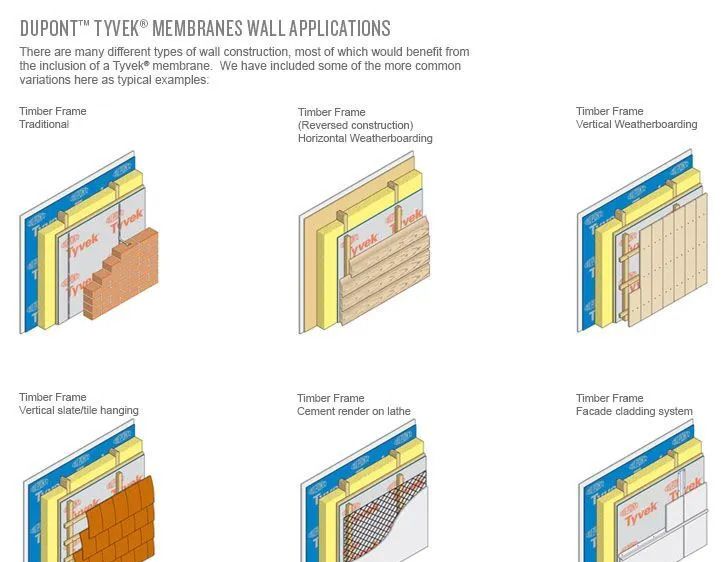
- Skipping the rainscreen or vented gap behind any siding to save a step: the Washington State Energy Code's drainage and continuous-insulation intent exists because this climate doesn't forgive a wall assembly that can't dry out. Whichever material you choose, the gap behind it matters almost as much as the material itself.
- Aggressive bleach-based moss and algae treatments applied without containment: because Lake Whatcom is the drinking water source for a large share of the county, runoff from pressure washing or chemical moss treatment deserves more care here than in a typical yard — capture or divert wash water rather than letting it run straight down the slope toward the shoreline.
FAQ
Is fiber cement siding worth the extra cost over vinyl for a Lake Whatcom home?
For most lots around the lake, yes — the difference shows up over time rather than on day one. Vinyl costs less to install, but on shaded, freeze-thaw-prone lots it tends to need more frequent panel repair and doesn't hold up as well to wind-driven storms if the original install wasn't done precisely to spec. Fiber cement costs more up front but typically needs less intervention over the following couple of decades, which narrows or closes the gap depending on how long you plan to own the home.
How often does siding need to be cleaned for moss and algae around the lake?
It depends heavily on how shaded the wall is. A sun-exposed south or west wall might only need a rinse every year or two, while a north-facing wall under mature conifers can need attention annually to keep moss from getting a foothold in seams and under trim. Fiber cement and metal panel both reduce how often this is necessary compared to raw wood, but no siding around the lake is entirely maintenance-free.
Does my home's siding choice affect Washington State Energy Code compliance?
Indirectly, yes. The Washington State Energy Code sets prescriptive requirements for the wall assembly as a whole — insulation levels and drainage detailing for the marine climate zone Whatcom County falls into — rather than mandating one siding product over another. Where the siding choice matters is how easily it integrates with a compliant rainscreen and continuous insulation approach; some profiles and materials require more furring, engineering, or field detailing than others to hit that assembly correctly.
Can I re-side just the shaded, moss-prone side of my house instead of the whole home?
It's possible, and we do it, but it comes with trade-offs worth knowing up front. Matching an existing material's color and profile years later is never exact, and mixing materials on one house means dealing with two different maintenance schedules going forward. For homes where only one wall is genuinely failing, a partial re-side with a compatible material can make sense; for homes where the original material is a poor match for the lake's shade and moisture in general, it's often more cost-effective in the long run to plan a full re-side in phases.
Ready to Talk Through Your Home
Every lot around Lake Whatcom gets a different mix of sun, shade, and wind, and the right siding for a south-facing wall on Sudden Valley's open shoreline isn't always the right call for a north-facing wall buried in conifers a half-mile away. Alpine Exteriors, WA contractor license ALPINI751OW, works throughout Whatcom County — from Bellingham and the lake basin out to Ferndale, Lynden, Blaine, Birch Bay, and the islands — and can walk your specific home's exposure, existing siding condition, and budget before recommending a material. If you're planning a re-side or trying to figure out why a wall keeps growing moss faster than the rest of the house, reach out and we'll take a look.
Want a straight answer for your home? Alpine Exteriors gives free on-site assessments across Bellingham, Ferndale, Lynden, Blaine, Birch Bay, Sudden Valley and the islands.
Call (360) 543-4799 or
request an estimate.