
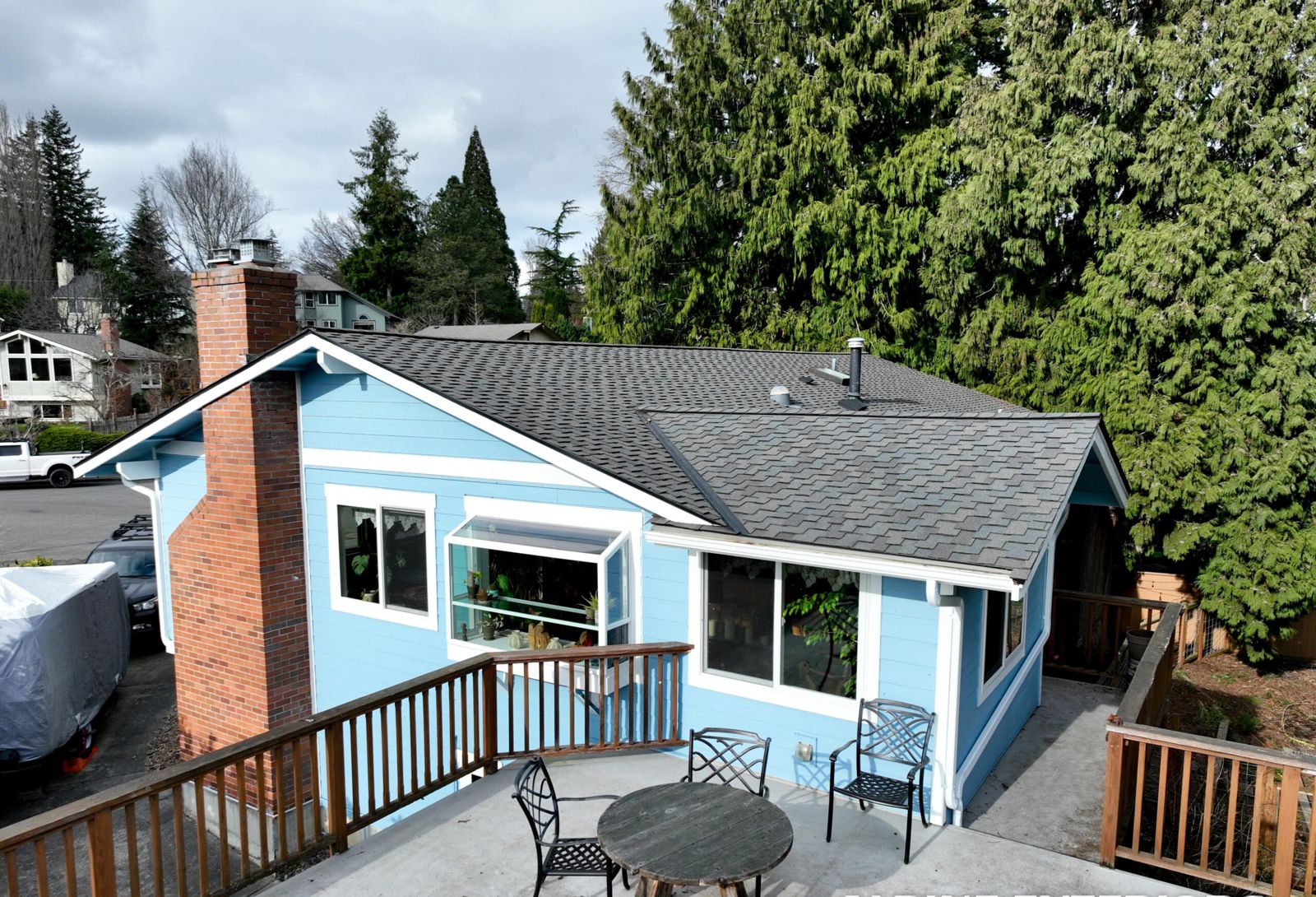
Samish sits in that stretch of south Bellingham and unincorporated Whatcom County where lake-effect moisture off Samish Lake meets the marine air pushing in from Bellingham Bay and the Strait of Georgia. Homes here range from older farmhouses and mid-century ramblers with original cedar siding to newer construction near the water and along the hillsides toward the foothills. All of that housing stock shares the same enemy: months of steady rain, shade from mature fir and cedar cover that keeps walls damp longer than they should be, and wind-driven rain that finds every gap in a wall assembly. Picking the right siding here isn't about style first — it's about what survives our wet season without rotting, growing moss, or trapping moisture behind the cladding.
For most Samish homes, fiber cement siding is the strongest all-around choice. It doesn't rot, it shrugs off moss and algae better than wood, and it holds paint through our long wet stretches without the cupping and splitting that plagues untreated lumber. Engineered wood siding is a solid second choice — lighter, faster to install, and less costly — as long as every cut edge and seam gets properly sealed and the wall behind it has real drainage. Vinyl remains a budget-conscious option for rental properties or secondary structures, but we don't recommend it as the primary cladding on a home that's going to see decades of wind-driven rain off the bay. Cedar still has a place here, especially on homes where matching original character matters, but it needs an owner willing to keep up with staining and inspection. As a licensed Washington contractor, Alpine Exteriors installs all of these systems, and which one we recommend for a specific house depends on its exposure, its wall assembly, and what the homeowner is willing to maintain.
We didn't rank these products on looks or brand recognition. The criteria that actually matter for a house in this part of Whatcom County are:
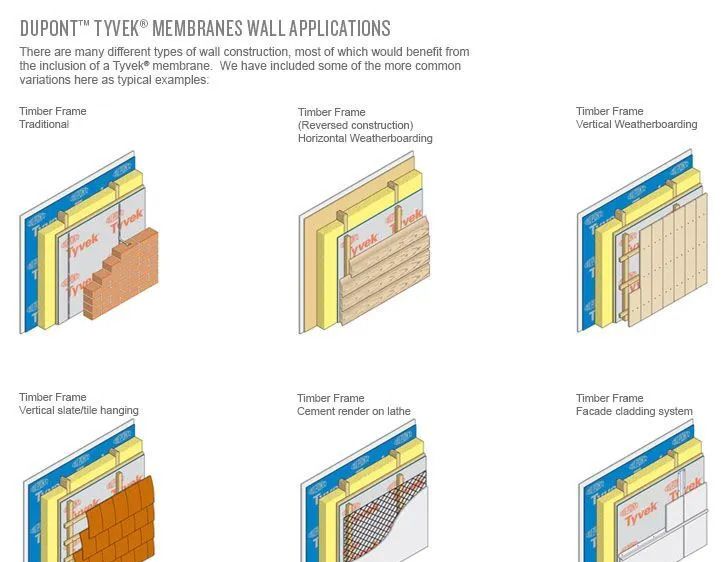
Fiber cement — cement, sand, and cellulose fiber pressed into planks or panels — is the closest thing to a default recommendation for this climate. It's dimensionally stable, so it doesn't swell and shrink the way wood does through our wet winters and drier summers, which means paint and caulk joints last longer. It doesn't feed mold or moss the way raw wood does, though a shaded, damp wall can still grow surface algae on any material and will need an occasional wash regardless of siding type. It holds up to wind-driven rain well when installed with proper flashing and a rainscreen gap, and it's non-combustible, which some Whatcom County insurers still price favorably even though wildfire risk here is lower than east of the Cascades.
The honest downsides: it's heavy, which means installation is slower and more physically demanding than vinyl or engineered wood, and that labor shows up in the price. It has to be factory-primed or field-painted and repainted eventually — it is not a no-maintenance product, just a low-maintenance one. Cut edges must be sealed at install or they'll wick moisture. And if a crew doesn't back-prime and flash it correctly, you can still get moisture problems at butt joints and penetrations, so installer quality matters as much as the product itself. Installed cost typically runs in the mid-to-upper range compared with vinyl and engineered wood, reflecting both material and labor.
Engineered wood siding (strand-based products like LP SmartSide are the common example) gives you a lot of the look of traditional wood lap or panel siding at a lower installed cost than fiber cement, largely because it's lighter and faster to hang. Manufacturers treat it with resins and zinc borate for fungal and insect resistance, and when it's properly installed with sealed edges and correct flashing, it holds up reasonably well through our wet season.
Where it's genuinely riskier here: engineered wood is more vulnerable than fiber cement if water gets past the paint film, particularly at cut ends, corners, and anywhere a gutter or downspout dumps water directly onto a wall. On a shaded, damp Samish lot with limited sun exposure to dry the wall between rain events, that vulnerability matters more than it would on a sunnier site. It still needs repainting on a schedule, and any manufacturer warranty is going to have specific installation and maintenance requirements that, if skipped, can void coverage. We consider it a good option on homes with decent roof overhangs and good gutter systems that keep bulk water off the walls, and a riskier one on exposed gable ends or under leaky gutters.
Vinyl's appeal is straightforward: it's the least expensive option installed, it never needs painting, and it won't rot because there's nothing organic in it to rot. For secondary structures, rental units, or budget-driven projects, it's a reasonable choice.
Its weaknesses show up specifically in our conditions. Standard vinyl panels rely on lapped, non-sealed joints for weather resistance, counting on gravity and a drainage plane behind the panel rather than a sealed skin — that works fine in light rain but performs worse than fiber cement or well-installed engineered wood against sustained wind-driven rain off the bay, especially on exposed second stories and gable ends. Vinyl also gets brittle in prolonged cold, which is a real consideration on hillside lots that see more winter chill, and it can crack on impact more easily than the other options here. It doesn't stop moss or algae growth on shaded walls either — vinyl's smooth surface sheds algae spores no better than other claddings in continuously damp shade. We'll install vinyl when a homeowner wants it or budget requires it, but we don't present it as the top choice for a primary residence with heavy tree cover or bay-facing exposure.
Cedar has real history in this region and there's a reason so many older Samish and Bellingham homes still wear it — it's naturally resistant to decay and insects compared to other woods, it takes stain beautifully, and it's the material that matches the original character of a lot of the housing stock here. If a homeowner is restoring or matching an existing wood-sided home, cedar is often the right call for that reason alone.
But cedar demands the most maintenance of any option on this list, and that maintenance isn't optional in our climate — it's the difference between siding that lasts decades and siding that rots at the bottom courses within ten years. It needs re-staining or re-sealing on a real schedule, not "when it looks bad." Any spot where a board holds standing water — a bad flashing detail, a clogged gutter, ground contact at grade — will develop rot faster here than almost anywhere else in the state, because the wood rarely gets a long enough dry stretch to recover between rain events. It's also the material most likely to hold moss in shaded spots if it isn't kept clean and coated. We recommend cedar to homeowners who value the look and are genuinely committed to the upkeep, and we steer away from it on heavily shaded, low-airflow walls where a lower-maintenance material will simply last longer.
Steel and aluminum panel siding shows up less often on Samish's older housing stock but is worth mentioning for newer builds and additions. It doesn't rot, doesn't feed moss growth, and handles wind-driven rain well when panels and seams are installed correctly. It's also a strong performer against the freeze-thaw swings that hit the foothill edges of the county harder than the lowlands.
The tradeoffs are aesthetic and practical: it doesn't match the traditional look most Samish homes have, it can dent, and it requires careful detailing around fasteners and panel seams to avoid galvanic corrosion or leaks at penetrations. It's also usually a specialty install, which narrows your contractor options and can push cost toward the higher end of the range. We install it selectively — on shops, modern-style new builds, and additions where the look fits — rather than as a default recommendation for a traditional Samish home.
A few choices consistently cause callbacks in this part of Whatcom County, regardless of which siding product sits on top of them:
For a primary residence with real exposure to wind-driven rain and shaded, damp walls, we generally think so. The gap in installed cost is real, but fiber cement's dimensional stability and rot resistance tend to pay that back over a longer service life with fewer moisture-related repairs, especially on the sides of a house that take weather straight off the bay.
It depends heavily on shade and airflow. A sunny, open wall might only need a wash every couple of years, while a shaded wall near mature trees can need annual attention to keep moss and algae from getting a foothold, regardless of which siding material is installed. Gentle washing rather than high-pressure blasting protects caulk joints and paint film.
It can, and it's worth planning for. A full re-side exposes the wall sheathing and framing, which is the easiest time to add or correct continuous insulation and air sealing to meet current Washington State Energy Code requirements for our climate zone — doing it later means opening the wall back up.
Yes, and it's common here — for example, fiber cement on bay-facing or ground-level walls with more exposure, and a different material on protected, upper-story sections. It has to be planned so the transitions are flashed correctly, since a poorly detailed transition between two materials is a common leak point.
Every lot in Samish gets a slightly different mix of shade, wind exposure, and rain — a hillside lot near the lake doesn't need the same wall assembly as a home closer to open water. Alpine Exteriors is a licensed Washington contractor (license ALPINI751OW) working throughout Whatcom County, including Samish, Bellingham, Ferndale, Lynden, Blaine, and Birch Bay, and we'll walk your specific house before recommending a material rather than starting from a default answer. Reach out to schedule a look at your siding and get a straightforward assessment of what it actually needs.