
Yes. Every siding installation in Birchwood, and everywhere else in Whatcom County, has to comply with the wind and wall-covering provisions of the Washington State Building Code, which is Washington's amended version of the International Residential Code. In practical terms that means the product, the fasteners, and the water-resistive barrier behind the siding all have to match what was actually tested and approved for that product, not just whatever the crew had on the truck.
Washington doesn't run a statewide product-approval catalog the way some coastal states do. Instead, siding products used here are backed by an ICC-ES evaluation report or an equivalent recognized testing report, and that report is what a building official leans on to confirm a product is code-compliant for the wind exposure and water conditions of a given site. The evaluation report spells out the fastening schedule: nail or screw type, minimum penetration into framing or sheathing, spacing along the field and at laps, and clearance from panel edges. Deviating from that schedule, even with the right siding material, is one of the most common ways an installation fails inspection or fails prematurely in a wind event.
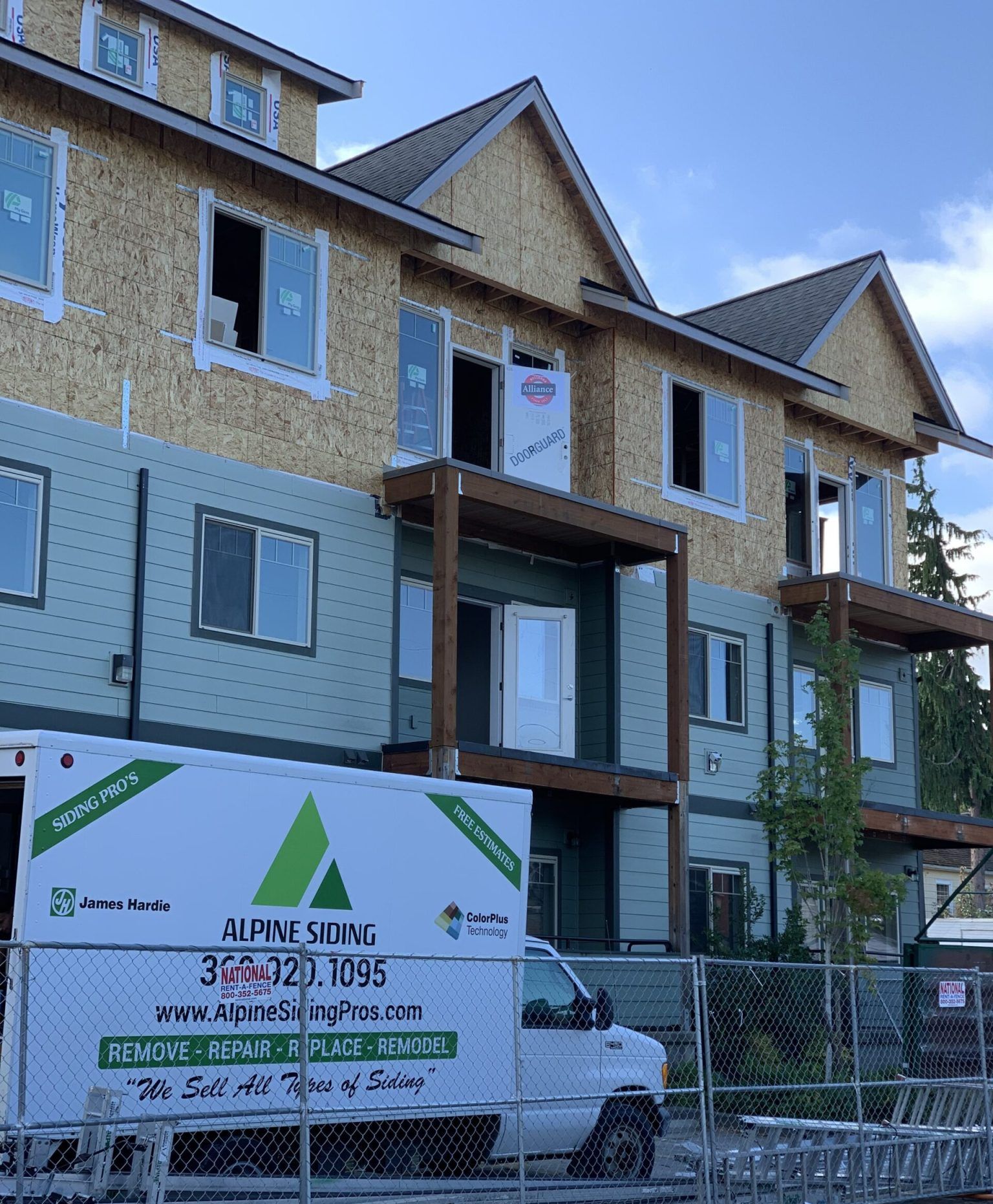
Behind the siding itself, the code requires a water-resistive barrier, installed shingle-style so water sheds outward and downward, lapped correctly at seams, and integrated with flashing at every window, door, deck ledger, and other penetration. This is the layer that does the actual work of keeping wind-driven rain out of the wall assembly; the siding is the first line of defense, but the WRB and flashing are what keep a leak from becoming rot. Where the project involves enough of the building envelope to be treated as an alteration under the Washington State Energy Code, the energy code's continuous insulation and air-sealing requirements can also come into play, which is one reason a full re-side is a natural point to add exterior insulation if a homeowner's budget allows it. Inspectors also want to see documentation that ties the installed product back to its evaluation report, especially for fiber cement and engineered wood siding, since a field substitution to a look-alike product without matching approval is grounds for a failed inspection even if it looks correct once it's up. Washington's adopted wind speed maps and exposure categories set the baseline wind pressure a wall assembly has to resist, and homes with more open exposure toward open water are generally held to a higher standard than a sheltered inland lot even within the same county.
Whatcom County isn't a hurricane zone, and nobody here needs to worry about the kind of wind-load engineering that coastal Gulf or Atlantic states build around. What actually drives siding failures in this county is a combination of near-constant moisture and specific local wind exposure, not extreme storm wind speed. Homes in Birchwood and the rest of Bellingham that face Bellingham Bay, and homes further out toward Blaine and Birch Bay that face the Strait of Georgia, take wind-driven rain directly on their exposed walls for much of the fall and winter. That combination of wind and rain pushes water sideways and upward under laps and around trim in a way that vertical rain alone doesn't, and it's the reason flashing details and WRB lap direction matter more here than raw wind-speed rating does.
The other regional factor is how long that moisture sits on the wall. Whatcom County gets extended stretches of overcast, drizzly weather rather than short intense storms, so siding and trim stay damp for days at a time. That's exactly the environment moss and algae need, especially on north- and west-facing walls that don't get much direct sun, and it's also the environment that lets wood rot start in fascia, trim, and any siding butt joint or fastener hole that isn't properly sealed. A rainscreen gap behind the siding, which creates a drainage and drying space rather than letting the siding sit tight against the WRB, makes a real difference in how fast a wall assembly dries out between rain events here, and it's worth asking for even where it isn't strictly required by code.
Up toward Sudden Valley and the foothills around Lake Whatcom, elevation adds a freeze-thaw cycle that lowland Bellingham and the county's coastal edges don't see as often. Water that gets into a seam, a nail hole, or an unsealed cut end can freeze overnight in winter, expand, and widen that opening, which accelerates both siding and trim failure over a few seasons. It's a slower, quieter failure mode than wind damage, but it's just as real, and it means sealing cut ends and fastener penetrations matters more for foothill homes than it does for a house sitting right on the bay.
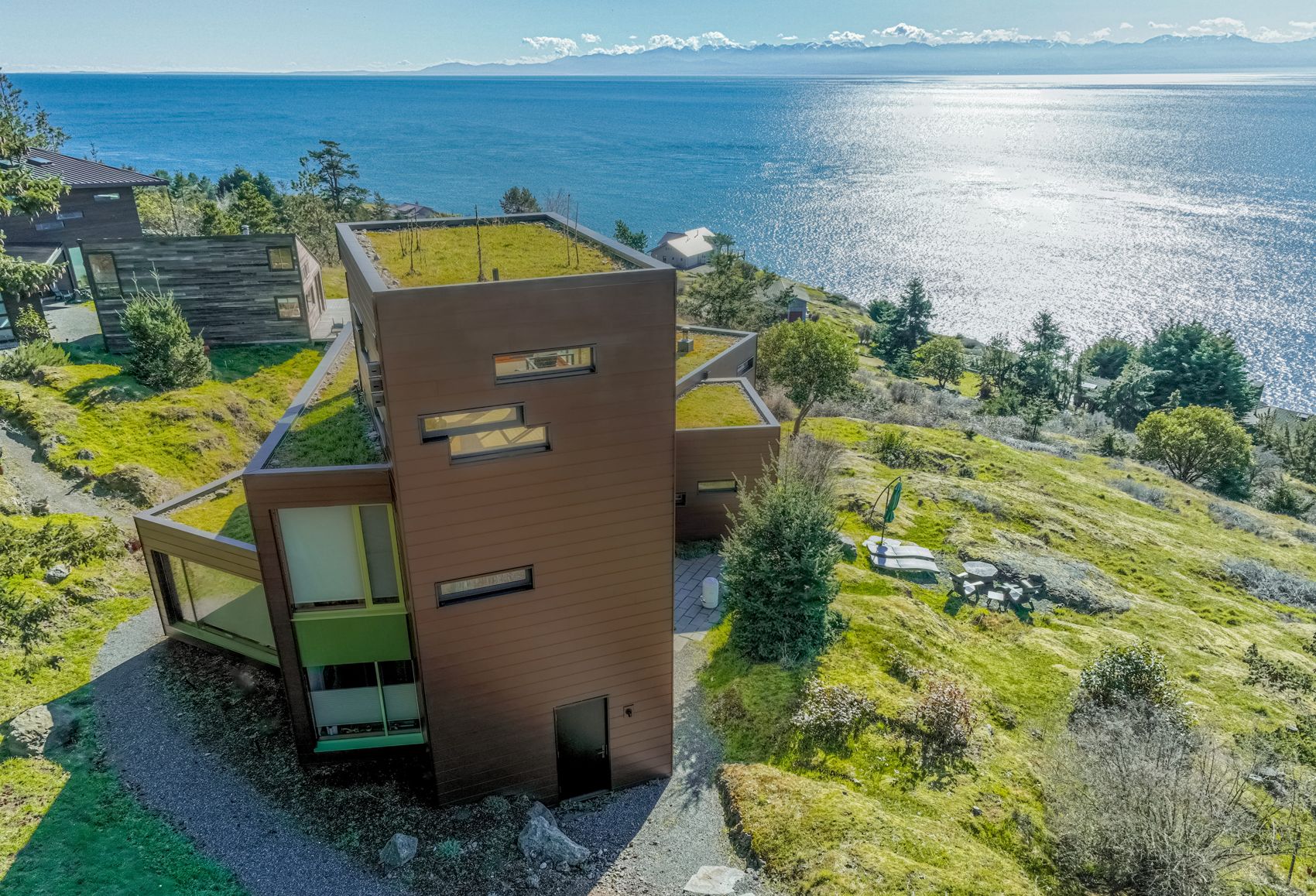
Homes on Lummi Island, Orcas Island, and the other islands in Alpine Exteriors' service area face some of the most open wind exposure in the county, since there's often no windbreak of trees or neighboring structures between the house and open water. That openness doesn't change which code applies, but it does mean flashing and fastening details that might be an acceptable shortcut on a sheltered inland lot in Lynden are not places to cut corners on an island property.
Start by finding out what siding is on the house now and how it was fastened, if that information exists. For a new install or a full re-side, ask any contractor bidding the job to show the manufacturer's installation instructions and the fastening schedule they intend to follow, and to confirm which WRB and flashing details they're using at windows, doors, and any deck or porch ledger. A contractor who can't produce that paperwork, or who shrugs off the question, is a red flag regardless of how good their sample board looks.
None of this is the cheapest way to re-side a house. A proper rainscreen, correctly lapped WRB, and code-matched fasteners take more labor and material than a quick stapled-on re-side, and permitted work means scheduling around inspections rather than finishing in a weekend. That extra time and cost is what actually prevents the rot and moss problems that show up two or three winters later, but it's a trade-off worth weighing going in, not something to discover after the fact. Getting a second opinion before signing a contract is reasonable, and a company like Alpine Exteriors can walk through the specific wall assembly for a Birchwood home and explain, in plain terms, what the fastening schedule and flashing plan will look like before any siding goes up. That conversation is free, and it's the easiest way to catch a shortcut before it's covered up by finished siding.
No. Whatcom County isn't subject to the kind of hurricane wind-load engineering used in Gulf Coast or Atlantic states, and there's no separate state product-approval system here. Siding still has to be installed to the manufacturer's tested fastening schedule under the Washington State Building Code, but the driving concern locally is wind-driven rain and sustained moisture, not extreme wind pressure.
An inspector checking siding work typically wants to see the water-resistive barrier properly lapped and intact before siding goes on, flashing correctly integrated at windows, doors, and any roof-to-wall intersections, and fasteners matching the type, spacing, and embedment called for by the product's evaluation report. They're also checking clearance from grade, decks, and other surfaces so the bottom edge of the siding isn't sitting in standing water or snow.
In most cases, yes — re-siding is generally a permitted activity under the local building department's rules, and pulling a permit is what triggers the inspections that confirm the WRB, flashing, and fastening were done correctly. Skipping the permit doesn't make those requirements go away; it just means nobody checked the work before it was closed up, which can become a real problem at resale or during an insurance claim.
Moss and algae grow wherever a wall surface stays damp and shaded long enough, which is common on north- and west-facing walls in Whatcom County's overcast, drizzly climate. Cleaning removes the visible growth but doesn't change the underlying moisture and shade conditions, so it tends to return unless there's also better drainage behind the siding, trimmed-back vegetation, or periodic maintenance built into the plan.
If you're weighing a re-side in Birchwood, elsewhere in Bellingham, or anywhere else in Whatcom County from Ferndale and Lynden out to Blaine, Birch Bay, Sudden Valley, or the islands, Alpine Exteriors can walk the property, explain what the Washington State Building Code and Washington State Energy Code actually require for that specific home, and lay out a fastening and flashing plan before any work starts. Alpine Exteriors holds Washington contractor license ALPINI751OW, and every proposal spells out the product, the fastening schedule, and the drainage details in writing so there's nothing left to guess at once the siding is up.