
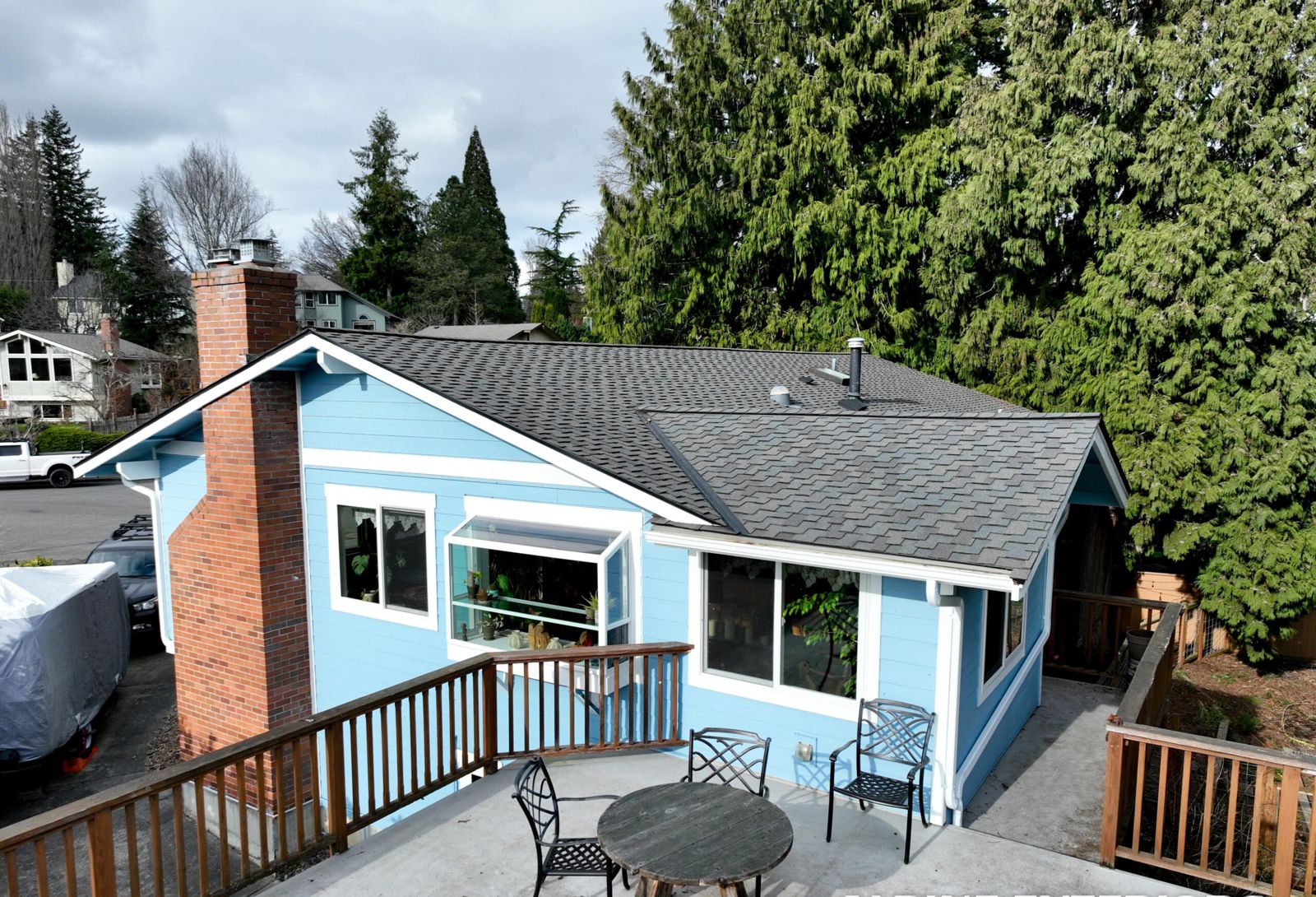
In Sunnyland, siding permits come from the City of Bellingham's Permit Center, not Whatcom County, because the neighborhood sits inside city limits off James Street and Illinois Street. Most full siding tear-offs and replacements need a permit; a handful of patched or spot-repaired boards usually don't.
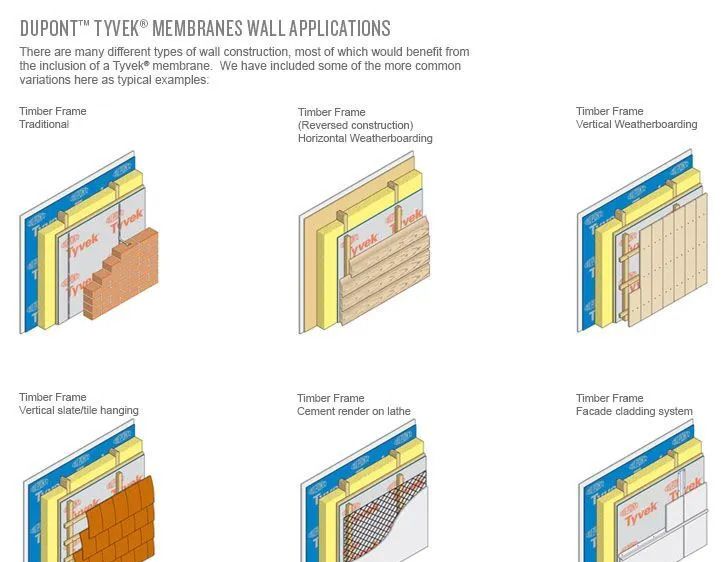
The line between "needs a permit" and "doesn't" isn't always obvious from the outside, though. A job that looks cosmetic — new fiber cement over old cedar lap, say — can trigger a permit the moment it touches the sheathing, the weather-resistive barrier, or the flashing around windows and doors. That's the part homeowners tend to miss, and it's worth sorting out before a contract gets signed, not after the old siding is already in the dumpster.
Bellingham's building department, like most jurisdictions in Washington, treats siding work on a sliding scale. Minor repairs — replacing a few damaged boards, recaulking, or touch-up painting — generally don't require a permit because they don't open up the wall assembly. Once a project moves into full re-siding, though, several things usually put it on the permit side of the line:
Where the work touches the building envelope — new insulation layers, air sealing, or a change in cladding assembly — it also has to meet the current Washington State Energy Code, which sets minimum requirements for wall insulation and air barrier continuity statewide. A contractor doing this kind of work in Bellingham should be accounting for energy code compliance as part of the permit application, not as an afterthought.
Inspections typically happen in two stages. The first is a weather-resistive barrier and flashing inspection, done after the house wrap and window/door flashing are installed but before the new siding goes up — this is the inspector's only chance to see that water will actually be directed out of the wall assembly rather than into it. The second is a final inspection once the siding is complete, confirming trim, clearances, and any remaining flashing details are correct. Skipping the first inspection because the crew wants to move fast is one of the more common ways a project ends up getting flagged or, worse, torn back open later.
It's worth noting that permit requirements and fee schedules can change, and the specifics depend on project valuation and scope. The only reliable way to know exactly what a given Sunnyland project needs is to call the City of Bellingham Permit Center or have a licensed contractor pull the permit and walk through the requirements directly.
Whatcom County's climate is a big part of why siding permits and inspections matter more here than they would somewhere dry. Bellingham gets a long, wet fall and winter, and siding assemblies here spend months at a time damp rather than drying out quickly between rains. That's exactly the condition that lets wood rot take hold behind siding that looks fine from the street — which is why the inspection step before covering the wall matters. An inspector, or an experienced contractor, can catch soft sheathing or a missing kick-out flashing before it's sealed behind new material for another 20 years.
North- and shade-facing walls in Sunnyland and similar older Bellingham neighborhoods also collect moss and algae faster than sun-exposed walls, especially under mature trees. That's mostly a maintenance and material-choice issue rather than a permitting one, but it factors into which siding products hold up best here — fiber cement and certain engineered wood products resist moss growth better than raw cedar left unfinished.
Wind-driven rain off Bellingham Bay and the Strait of Georgia is another regional factor. Homes closer to the water — in Sunnyland's case, that means anything with exposure toward the bay, and it's even more pronounced out in Birch Bay and Blaine — take rain sideways during winter storms, not just straight down. That pushes water into gaps that would stay dry in a calmer climate, which is part of why flashing details at windows, doors, and horizontal trim boards get scrutinized during inspection rather than treated as a formality.
Up in the foothills around Sudden Valley, freeze-thaw cycling adds another wrinkle: siding materials and caulk joints that flex well in a mild coastal winter can crack or pop loose after repeated freezing and thawing at higher elevation. None of this is hurricane country, and nobody in Whatcom County is permitting for wind uplift the way a Gulf Coast jurisdiction would — the concerns here are almost entirely about keeping water out of the wall assembly and managing a long wet season, not high wind speeds.
Before signing a contract for siding work in Sunnyland, a homeowner's practical checklist looks like this:
Alpine Exteriors handles the permit process directly for siding projects in Sunnyland and the rest of Bellingham, working from Washington contractor license ALPINI751OW. That means the permit application, the scheduling of the weather-resistive barrier inspection, and the final inspection are handled as part of the job rather than left for the homeowner to chase down. It doesn't make the process faster than the city's own timeline allows, but it does mean nothing gets missed or done out of order.
One honest caveat: permitted work costs a bit more up front than skipping the permit, both in fees and in the time inspections add to a schedule. That trade-off is worth it. Unpermitted siding work can complicate a home sale later — buyers' inspectors and title companies increasingly ask about permit history — and more importantly, it removes the one independent check that the water-resistive barrier and flashing were actually installed correctly before they're covered for good.
Not always, but full re-siding almost always does. Small repairs — a few damaged boards, recaulking, or touch-up work — typically fall outside permit requirements because they don't expose the sheathing or weather barrier. Once a project involves stripping most or all of the old siding, installing new house wrap, or replacing rotted sheathing underneath, it's very likely to need a City of Bellingham permit. The specific threshold depends on project scope and valuation, so it's worth confirming with the Permit Center or a licensed contractor before work starts.
Timelines vary with the department's current workload and how complete the application is, and can range from roughly a week to several weeks for straightforward residential re-siding. Projects that also involve structural repairs, an addition, or energy code review can take longer. Building in that lead time when planning a project — rather than assuming siding can start the week a contract is signed — avoids a lot of scheduling frustration.
There are typically two inspection points. The first happens after the house wrap and flashing around windows, doors, and other penetrations are installed but before the new siding covers them — this is when the inspector confirms water will drain out of the wall assembly rather than into it. The second is a final inspection once the siding is complete, checking trim, clearances, and any remaining details. Both are quick on-site visits, not extended reviews, but they do require the work to be at the right stage when the inspector arrives.
Yes, but the permit comes from a different office. Areas outside city limits — including Birch Bay, Sudden Valley, and other unincorporated parts of the county — go through Whatcom County Planning & Development Services rather than a city permit center. Homes in Lynden, Ferndale, and Blaine, which are their own incorporated cities, go through those cities' own building departments. The underlying triggers for needing a permit are similar across jurisdictions, but the office to call and the exact fee schedule differ, so it's worth confirming which one applies before assuming Bellingham's process carries over.
Whether the project is a full re-side in Sunnyland, a rot repair uncovered mid-job, or a straightforward replacement out in Ferndale or Lynden, getting the permitting right at the start avoids headaches at resale and catches moisture problems before they're sealed behind new siding for another two decades. Alpine Exteriors, WA contractor license ALPINI751OW, handles siding projects across Whatcom County — Bellingham, Ferndale, Lynden, Blaine, Birch Bay, Sudden Valley, and the islands — including the permit and inspection process as part of the job. Reach out for a straightforward look at what a specific property needs before committing to a scope of work.