
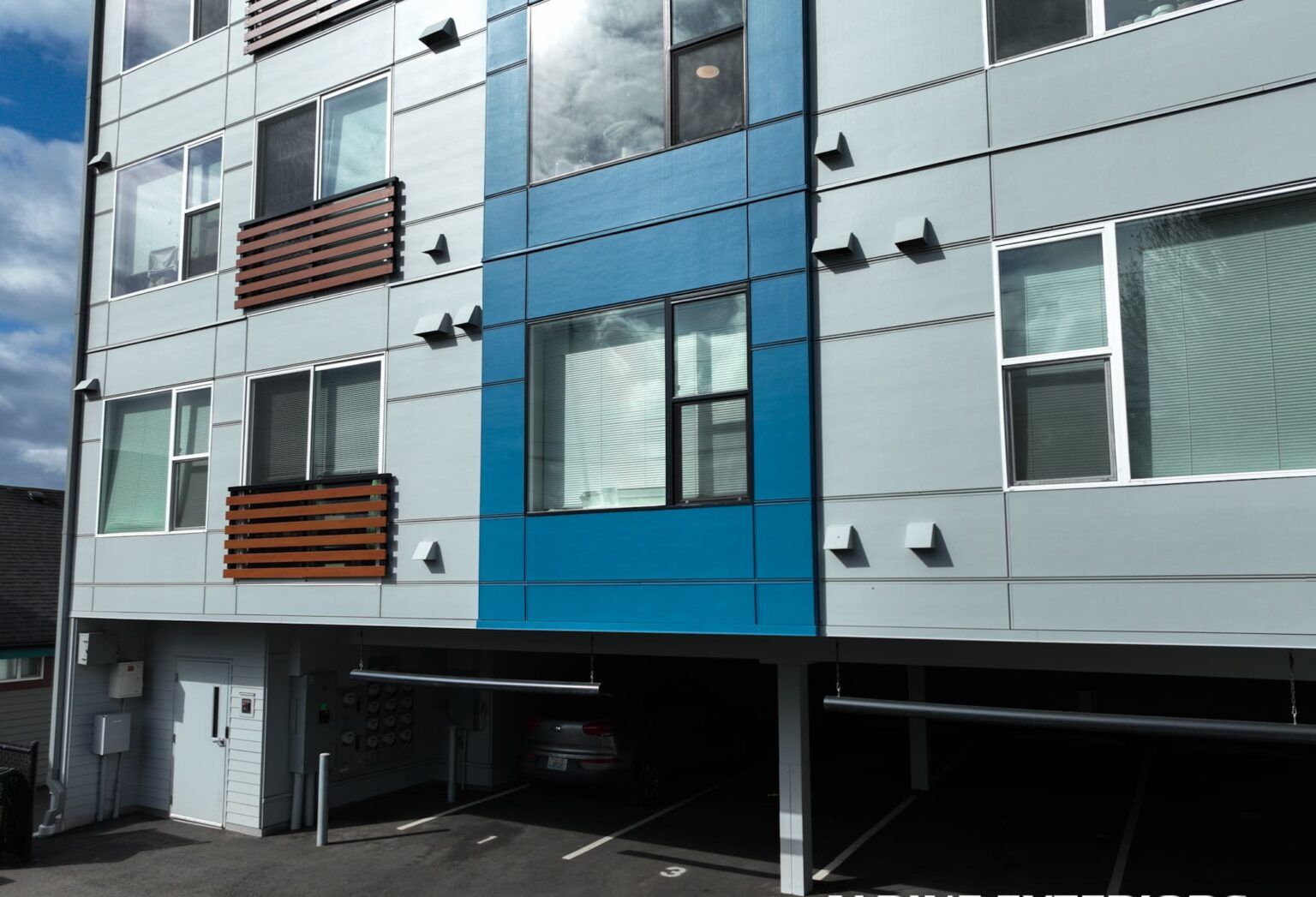
Birchwood sits inside a stretch of Whatcom County where the weather does more work on a house than most homeowners realize. Between the persistent drizzle that rolls in off Bellingham Bay, the wind-driven rain that comes sideways during a Strait of Georgia storm, and the damp shade that lets moss and algae take hold on north-facing walls, siding here is under near-constant low-grade stress. It rarely fails all at once. It fails a little at a time, in the corner behind a shrub or under an eave with no overhang, until a small stain turns into soft sheathing.
Whatcom County's climate is not hurricane weather and it is not desert weather. It is wet-and-mild weather with two specific complications homeowners in Bellingham, Ferndale, Lynden, Blaine, Birch Bay, Sudden Valley, and the islands all recognize: months of low-intensity rain that finds every gap in flashing and caulk, and a foothills freeze-thaw cycle that shows up on cold, clear nights when temperatures drop enough to turn trapped moisture into ice, then thaw it again by afternoon. That freeze-thaw cycling is what turns a hairline crack in fiber cement or a loose lap in vinyl into a real opening within a season or two.
There's also a code angle worth knowing before you start poking at your siding. The Washington State Energy Code sets requirements for continuous insulation and air sealing at the wall assembly, and those requirements get triggered any time siding is removed down to the sheathing for repair or replacement, not just on new construction. A homeowner doing a simple visual check doesn't need to worry about code compliance, but if an inspection turns up rot or moisture damage that requires opening the wall, know going in that the fix isn't just a matter of putting new siding back on. This checklist is meant to help you catch problems early, while they're still cosmetic or minor, so you never get to that point.
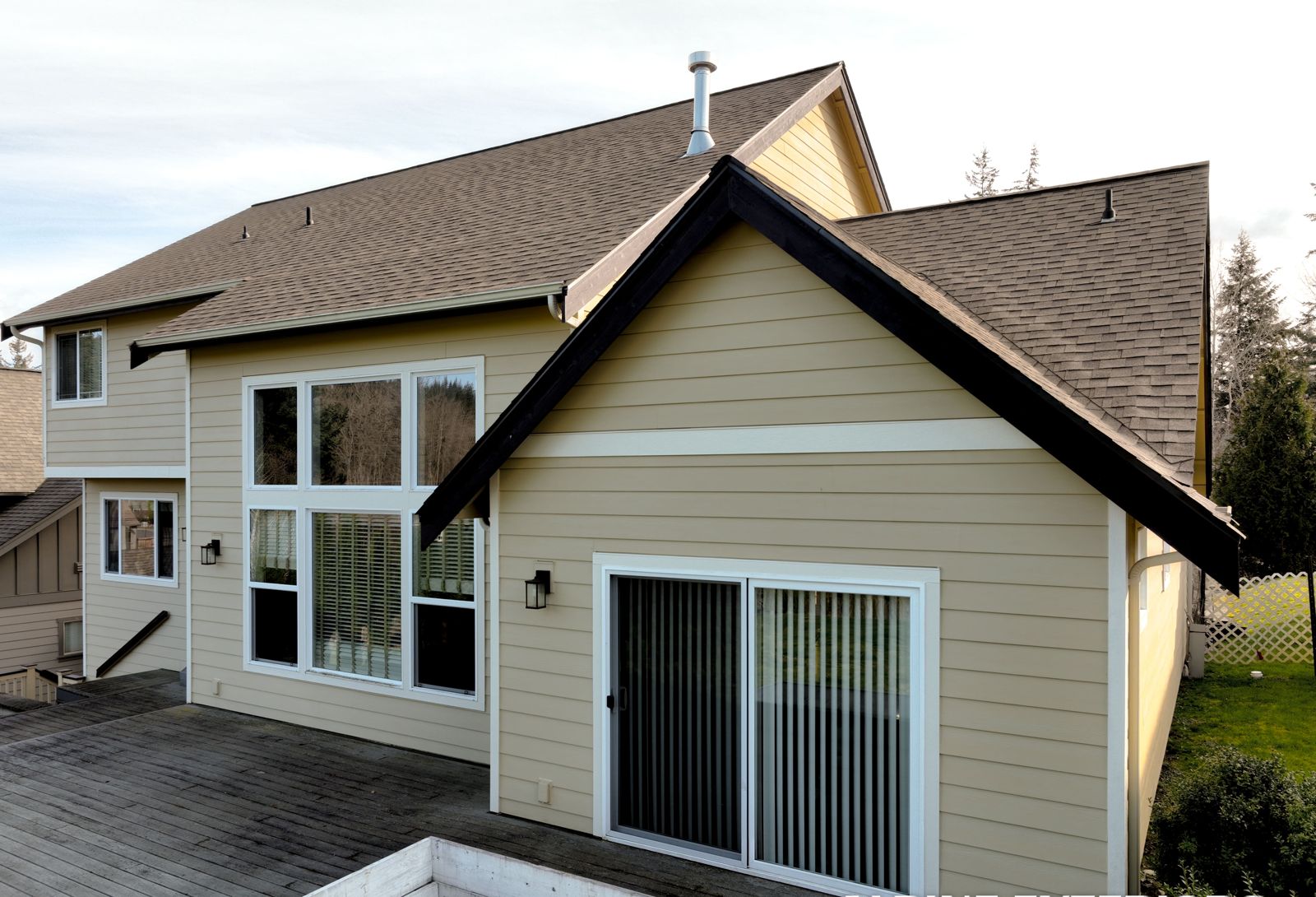
Not every failed item is an emergency. A chalky finish or minor moss on a shaded wall is a maintenance issue: a wash with a mild cleaner and soft brush, never a pressure washer aimed directly at seams or up under laps, which can force water behind the siding rather than remove it, usually handles surface growth. Fading and minor caulk cracking can often wait for your next scheduled maintenance pass, though caulk should still get addressed before the next heavy rain season if you're able to do it yourself or hire a handyman.
Soft or spongy siding, a musty smell, interior staining, or damp attic insulation are different. Those point to moisture that's already past the surface, and left alone through another Whatcom County winter, they tend to get worse rather than stay the same. Rot doesn't heal, it spreads along the path the water already found, and freeze-thaw cycling accelerates that spread by physically expanding any crack or soft spot that's holding water. Document what you find with photos and a rough sense of size, since that record is useful whether you end up doing the repair yourself, filing an insurance claim, or getting a contractor's opinion.
Popped fasteners, minor gaps at corners, and small areas of separated caulk are often reasonable DIY fixes if you're comfortable on a ladder and using an appropriate exterior-grade sealant. Anything involving cutting into siding, replacing a section down to the sheathing, or working near roof-wall intersections is where the risk of doing more harm than good goes up quickly, and that's a good point to bring in someone who does this for a living.
Call a licensed contractor when an inspection turns up soft or spongy sheathing behind the siding, when rot has spread beyond a single board or panel, when you find water staining on interior walls that lines up with an exterior problem area, or when flashing needs to be replaced rather than resealed. Any repair that requires removing siding down to the sheathing is also the point where the Washington State Energy Code's insulation and air-sealing requirements come into play, and a contractor familiar with those requirements can make sure the repair doesn't create a compliance problem down the line. It's also worth getting a professional opinion any time you're not sure whether what you're looking at is cosmetic wear or the start of something structural, since a five-minute look from someone experienced can save a lot of guessing.
Alpine Exteriors, licensed in Washington under contractor license ALPINI751OW, handles inspections and repairs for homeowners throughout Whatcom County, including Birchwood, Bellingham, Ferndale, Lynden, Blaine, Birch Bay, and Sudden Valley. A second opinion or a straightforward inspection doesn't commit you to a project, it just gives you clear information about what's actually going on with your siding before you decide what to do next.
A visual walk-around twice a year, once in early fall before the heavy rains set in and once in spring after winter storms and freeze-thaw cycles have had their effect, catches most problems while they're still small. Homes on shaded lots with more moss and algae exposure, or older homes with wood siding, benefit from an additional check mid-winter after any particularly wind-driven storm off the bay or the Strait.
On its own, a light layer of surface moss is mostly cosmetic and common on shaded walls throughout this region. The concern is what moss holds onto: it traps moisture against the siding longer than an exposed, sun-dried wall would experience, and that prolonged dampness is what eventually leads to rot or finish breakdown underneath. Treating it as a maintenance item rather than ignoring it is the more useful mindset.
If the repair only involves swapping out a damaged panel or board without exposing the sheathing, generally no. If the repair requires stripping siding down to the sheathing over a meaningful area, the Washington State Energy Code's continuous insulation and air-sealing provisions for exterior walls can apply, since code requirements are typically triggered by the scope of work being done, not just by the fact that it's a repair. A contractor can tell you quickly whether your specific situation crosses that line.
Pressure washing can work, but it's easy to do more harm than good if the nozzle is aimed directly into seams, up under lap edges, or too close to the surface, all of which can force water behind the siding rather than just cleaning the face of it. A soft wash approach with a mild cleaning solution and lower pressure, aimed downward and away from seams, is generally the safer route for removing moss and algae without creating a new moisture problem.
If your walk-around checklist turned up anything more than surface wear, such as soft spots, interior staining, failed flashing, or siding you're just not sure about, it's worth having a second set of eyes look at it before another Whatcom County rainy season sets in. Alpine Exteriors, WA contractor license ALPINI751OW, offers siding inspections for homeowners in Birchwood and throughout Whatcom County, from Bellingham and Ferndale to Lynden, Blaine, Birch Bay, Sudden Valley, and the islands. Reach out to schedule a walk-through and get a clear, honest read on where your siding actually stands.